Quick Answer
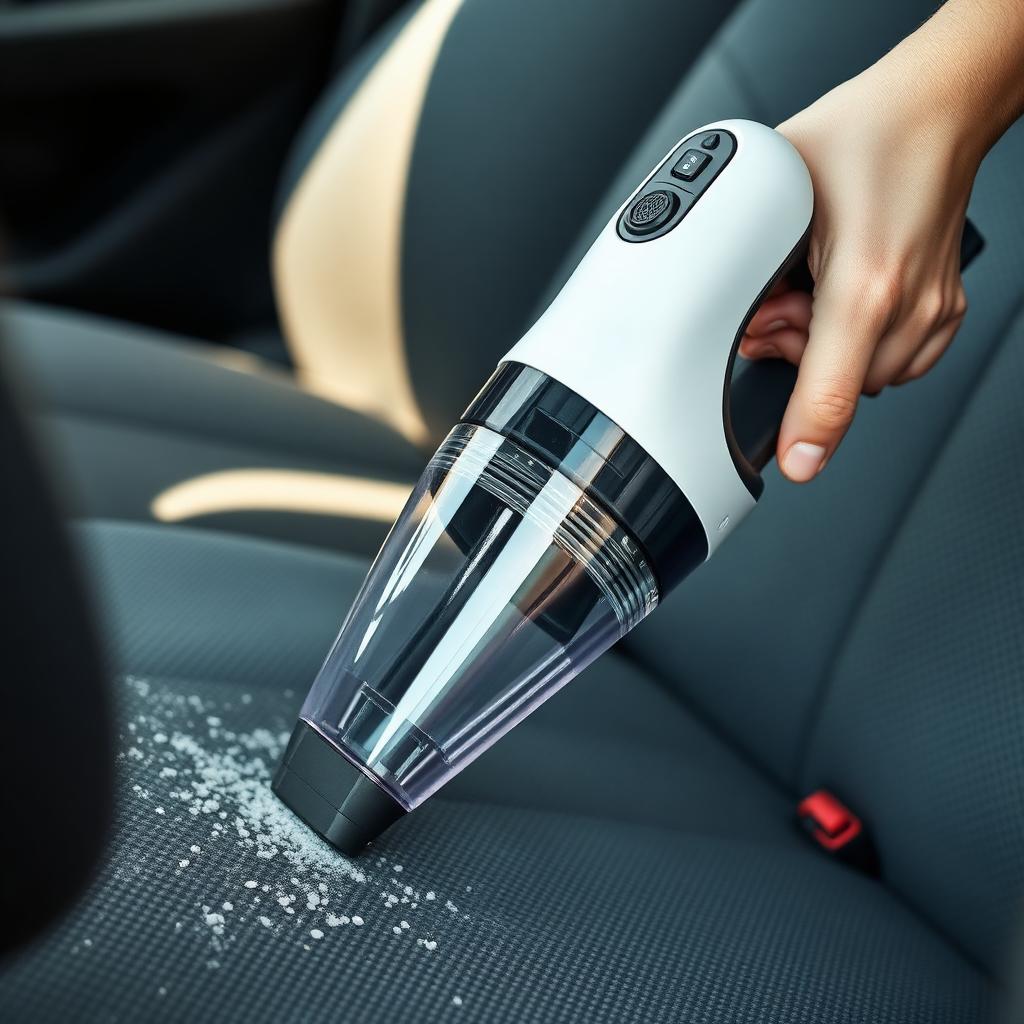
The best car vacuums combine real suction power (60 air watts or more for cordless, ideally a sealed shop vac for corded), a long flexible crevice tool, a motorised mini pet hair brush, and a HEPA grade filter so dust does not blow back into the cabin.
For quick weekly cleans, a cordless lithium ion handheld is the most practical choice. For a deep detail of carpets and seats, nothing beats a corded shop vacuum.
Power Sources Compared
Where the vacuum gets its power dictates how much suction you actually have at the nozzle.
12 Volt Plug In Vacuums
These plug into your cigarette lighter outlet and run as long as the car is on. The trade off is suction, since the 12 volt socket cannot deliver much current. They are fine for light dust and crumbs but will not pull sand out of deep carpet.
Cordless Lithium Ion
Modern cordless handhelds with brushless motors are the sweet spot for most owners. Look for at least 60 air watts of suction and a 15 to 30 minute runtime, which is enough for a full interior on one charge if you stage smartly.
Corded AC Shop Vacuums
For genuine detailing power, a small wet dry shop vacuum plugged into a wall outlet is hard to beat. Sealed suction in the 60 to 80 inches of water lift range lifts embedded grit, sand, and pet hair that handhelds miss.
Air Watts vs Volts and Amps
Marketing pages love quoting motor volts or amps. What actually matters at the nozzle is air watts, which combine airflow and suction. A vacuum with high voltage but a leaky path and a clogged filter delivers less real cleaning power than a modest motor in a well sealed body.
If a product page hides air watts and only quotes watts or volts, treat that as a yellow flag.
Tools That Make the Difference
- Long flexible crevice tool: Reaches under seat rails and between the seat and centre console, where most crumbs and coins live.
- Motorised mini brush: A spinning bristle head lifts pet hair out of upholstery far better than suction alone.
- Soft dusting brush: For air vents, dashboards, and infotainment surrounds without scratching.
- HEPA filtration: Multi stage filters trap fine dust inside the canister instead of recirculating it into the cabin.
Bagged vs Bagless
Almost every car specific vacuum is bagless with a clear dust cup. Empty it after each use because a full cup chokes airflow and tanks suction. Rinse the foam pre filter monthly if your vacuum has one.
Battery Life Reality
Manufacturers quote runtime at the lowest power setting. On the high suction boost mode most people actually use, expect roughly half the advertised time. Buy a model with a swappable battery or keep a second battery on the charger if you have multiple cars to do in one session.
Wet Spills
If you have kids or commute with takeaway drinks, a small wet dry vacuum is a quality of life upgrade. A regular handheld will be destroyed by a coffee spill picked up by mistake.
How I Order My Clean
Start at the top. Vacuum the headliner softly, then dust the dashboard and door cards, then the seats with the motorised brush, then the carpets and floor mats with the crevice tool, then the trunk. Going top to bottom stops you from re soiling areas you just cleaned.
The takeaway
Pick the power source that matches how you clean. A cordless lithium ion handheld with strong air watts and the right tools handles weekly maintenance for most owners, while a corded shop vacuum is the right pick for true detailing depth. Either way, prioritise sealed suction, HEPA filtration, and a long crevice tool over flashy industrial design.
Common Questions About Car Vacuums
How many air watts is enough?
For dust and crumbs, 30 to 40 air watts is fine. For sand and pet hair on carpet, aim for 60 air watts or more, ideally backed by a sealed body so suction does not leak through gaps in the housing.
Are HEPA filters worth it?
Yes if anyone in the car has allergies, asthma, or sensitivity to dust. HEPA traps fine particles inside the cup instead of recirculating them into the cabin air you breathe.
Cordless or corded for a long detail?
For a full interior detail, a corded shop vacuum will finish faster and pull more out of the carpet than any handheld. For weekly tidies, a quality cordless handheld is more convenient and gets the job done.
Do I really need a motorised pet hair tool?
If you carry pets even occasionally, yes. Suction alone leaves fine hair woven into the fabric, while a spinning brush head lifts it cleanly in a single pass.
Practical Tips and Common Mistakes
Most of the value in this kind of routine comes from doing the boring steps consistently rather than chasing the perfect product. Buy a quality core kit, store it where you will actually use it, and put a reminder on your phone so the schedule does not slip. A weekend habit, even a short one, will keep your car ahead of the curve.
The most common mistake I see is rushing. Five extra minutes spent doing each step carefully almost always saves a redo or a much larger repair down the line. Take your time, follow the manufacturer instructions for your specific vehicle, and do not be afraid to stop and look up a question before you continue. There is no shame in pausing to confirm a torque spec or a service interval.
Keep a simple log in your phone with the date, mileage, and what was done. When the next service comes around or you go to sell the car, that history is worth real money and removes any guesswork about what is due. A photo of the dipstick, the brake pad, or the new battery sticker takes seconds and answers a future question in one tap.
Finally, do not assume more is better. Overfilling fluids, over scrubbing surfaces, and over tightening fasteners all cause their own problems. Follow the spec, stop when the job is done, and move on. The same rule applies to upgrades: pick the part that actually solves your problem rather than the most expensive option on the shelf.
Build a small kit you can keep in the car: a digital tyre gauge, a microfibre towel, a quart of the correct oil, a torch, jumper cables or a lithium jump pack, and a quality torque wrench at home. None of these are exotic, but together they cover most roadside surprises and let you handle routine work with confidence.
The last habit worth building is paying attention. New noises, new smells, new vibrations, and new warning lights all mean something. Catching them early almost always turns a major problem into a minor one. A car that gets a few minutes of attention every week rarely surprises you with a major bill.