Quick Answer
The best car phone mounts are the ones that sit close to your natural line of sight, hold the phone rock steady on rough roads, and let you mount and unmount one handed. For most drivers that means a windshield or dashboard suction mount with a short arm, or a MagSafe compatible magnetic mount on a sturdy ball joint.
Air vent mounts are clean and compact but block airflow and expose the phone to heat. Cup holder mounts are very stable but sit too low to make a great navigation viewing angle.
Where the Mount Attaches
Attachment location decides stability and viewing comfort more than anything else.
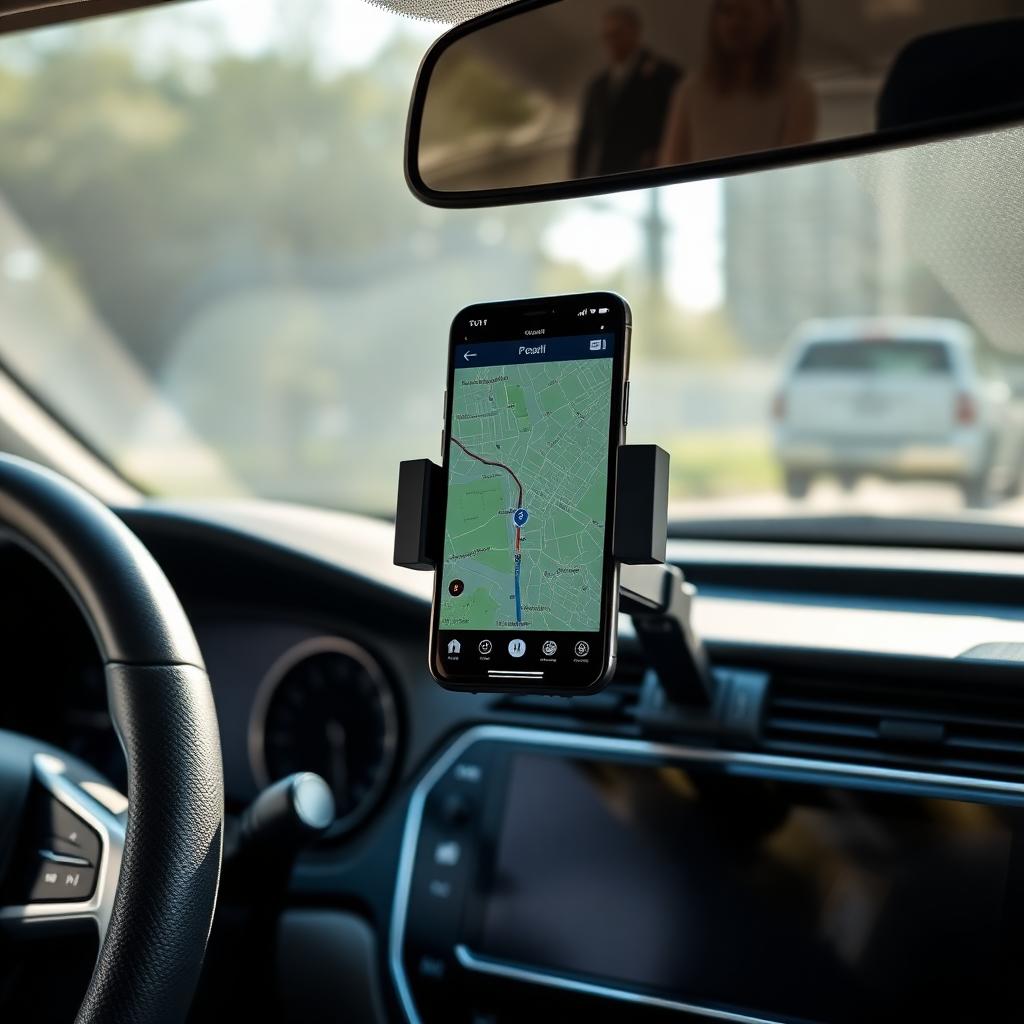
Windshield and Dashboard Suction
These use a heavy duty suction cup, often backed by a tacky polyurethane gel pad, to grip either the windshield or a textured dashboard. The phone sits high and near your line of sight. The downside is that long arms can vibrate over potholes, and direct sun on the windshield turns the phone into a heater.
Air Vent Clip
Vent mounts clip onto the horizontal or vertical fins of an air conditioning vent. They look clean and keep the dashboard clear, but they block airflow from that vent and dump hot or cold air onto the back of the phone, which can throttle the processor on long drives.
Cup Holder
A cup holder mount has an adjustable base that expands inside the holder, then a tall arm and a phone cradle on top. It is extremely stable, perfect for rough roads, but the viewing angle pulls your eyes further from the road than a dashboard mount.
How the Phone Attaches
The other big choice is the holding mechanism.
Mechanical Clamp
Spring loaded or gravity activated jaws grip the sides of the phone. Mechanical mounts work with any phone case, hold tightly over bumps, and survive a long product life. The trade off is that mounting and unmounting often takes two hands.
Magnetic (MagSafe Compatible)
High strength neodymium magnets snap the phone into place in less than a second. MagSafe compatible mounts pair perfectly with newer iPhones, while Android users can attach a metal ring or a magnetic case. The trade off is that very thick cases or wallet style cases can weaken the hold.
What I Look For
- Short, ribbed mount arm: Long unsupported arms wobble on uneven pavement.
- Strong ball joint: Lets you angle the phone toward you without slipping over bumps.
- Quick release: One handed mount and unmount keeps your eyes off the buttons.
- Heat tolerance: Materials that hold their shape after a hot summer day on the dashboard.
- Wireless charging built in: Optional but very nice on long trips.
Wireless Charging Mounts
Many MagSafe and Qi compatible mounts now include wireless charging. They are genuinely convenient on long drives, but they need a higher current USB port (usually 20 W or more) to charge faster than the phone drains while running navigation, music, and the screen. A weak port will let your phone lose battery despite being on the charger.
Safety Notes
Mount the phone where it does not block your view of the road. In many places it is illegal to obstruct the central view of the windshield, so a low dashboard or vent position is often better than a high windshield position. Set up navigation before you start moving, and use voice control while driving.
Phone Heat Management
Running navigation, GPS, and screen brightness on a hot day puts real thermal load on the phone. Avoid mounts that trap the phone against a hot vent in summer or direct sunlight on the windshield. A small gap behind the phone for airflow makes a meaningful difference to long term battery health.
The takeaway
Pick by attachment first (windshield, dashboard, vent, or cup holder) based on your cabin and viewing angle, then choose between a mechanical clamp for universal grip or a MagSafe compatible magnet for one handed convenience. Add wireless charging only if you have a high current USB port to back it up.
Common Questions About Car Phone Mounts
Are MagSafe mounts strong enough for rough roads?
Quality MagSafe mounts with multiple neodymium magnets hold solidly on normal roads. On heavy off road or unsealed surfaces, a mechanical clamp is safer because it cannot pop free if the magnets are slightly misaligned.
Will a windshield mount damage my glass?
Reputable suction mounts with gel pads do not damage glass. The concern is heat from direct sun on the back of the phone, not the suction itself. Park in shade when you can.
What about magnetic mounts and credit cards?
Modern phone magnets are well shielded and do not affect credit cards or hotel keys held nearby in a wallet case. The exception is older magnetic stripe access cards, which can be affected by prolonged direct contact.
Practical Tips and Common Mistakes
Most of the value in this kind of routine comes from doing the boring steps consistently rather than chasing the perfect product. Buy a quality core kit, store it where you will actually use it, and put a reminder on your phone so the schedule does not slip. A weekend habit, even a short one, will keep your car ahead of the curve.
The most common mistake I see is rushing. Five extra minutes spent doing each step carefully almost always saves a redo or a much larger repair down the line. Take your time, follow the manufacturer instructions for your specific vehicle, and do not be afraid to stop and look up a question before you continue. There is no shame in pausing to confirm a torque spec or a service interval.
Keep a simple log in your phone with the date, mileage, and what was done. When the next service comes around or you go to sell the car, that history is worth real money and removes any guesswork about what is due. A photo of the dipstick, the brake pad, or the new battery sticker takes seconds and answers a future question in one tap.
Finally, do not assume more is better. Overfilling fluids, over scrubbing surfaces, and over tightening fasteners all cause their own problems. Follow the spec, stop when the job is done, and move on. The same rule applies to upgrades: pick the part that actually solves your problem rather than the most expensive option on the shelf.
Build a small kit you can keep in the car: a digital tyre gauge, a microfibre towel, a quart of the correct oil, a torch, jumper cables or a lithium jump pack, and a quality torque wrench at home. None of these are exotic, but together they cover most roadside surprises and let you handle routine work with confidence.
The last habit worth building is paying attention. New noises, new smells, new vibrations, and new warning lights all mean something. Catching them early almost always turns a major problem into a minor one. A car that gets a few minutes of attention every week rarely surprises you with a major bill.