Quick Answer
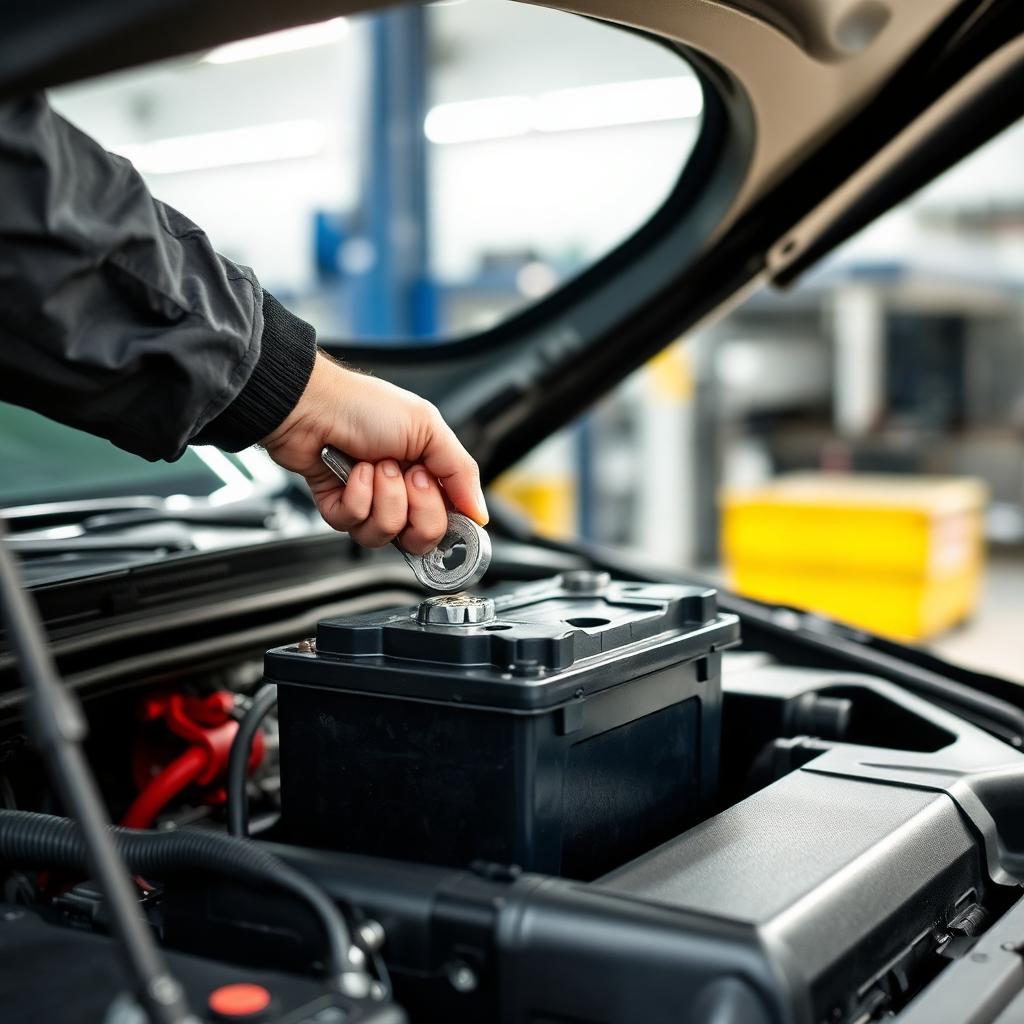
A standard flooded lead acid car battery replacement typically costs $120 to $235 in 2026, including labour. An AGM battery for a modern start stop equipped car runs $290 to $560, including the BMS registration most newer vehicles require.
Almost every retailer also charges a refundable core deposit of $15 to $30, which you get back when you hand over your old battery for recycling.
What Drives the Price
Two things move the price: the chemistry of the battery and what your car needs done to accept it. A small economy car with a basic flooded battery is cheap. A late model SUV with start stop, regenerative braking, and a smart charging system is not.
Flooded Lead Acid vs AGM
Almost every replacement battery on the shelf is one of two chemistries.
Flooded Lead Acid
These are the traditional batteries with lead plates suspended in a liquid sulfuric acid electrolyte. They are cheap, widely available, and work well in older cars with basic electrical loads.
Absorbent Glass Mat (AGM)
AGM batteries hold the electrolyte in a fibreglass mat between the plates. That makes them spill resistant, vibration resistant, and able to handle the deep cycling that start stop systems demand.
If your car shipped from the factory with an AGM battery, fit an AGM battery. A flooded battery in a start stop car will be cycled to death within months because it cannot handle the repeated discharge and recharge events at every traffic light.
Typical Price Ranges in 2026
- Standard flooded battery (parts): $90 to $160.
- AGM battery (parts): $200 to $350.
- Professional installation labour: $30 to $120 depending on access.
- BMS reset and registration: $0 on older cars, $40 to $90 on modern ones.
- Refundable core charge: $15 to $30, returned with the old battery.
What the Core Charge Really Is
When you buy a new battery, the receipt usually shows a core charge as a separate line. It is a deposit, not a surcharge. The moment you return the spent battery to the retailer, they refund it.
The point is to keep lead and sulfuric acid out of landfills. Almost every retailer accepts old batteries even if you did not buy the new one from them.
Battery Management System Registration
Many cars built after 2015 have a Battery Management System that monitors battery age and adjusts how aggressively the alternator charges. If you fit a fresh battery without telling the BMS, the car keeps charging it as if it were the worn out old one, which can cook a new battery in under a year.
The reset uses an OBD-II scan tool. Dealers and most independent shops can do it in a few minutes. It is worth paying for.
Where to Buy
Big box auto parts retailers usually offer free installation on most sedans and SUVs if you buy the battery from them. Dealerships charge more but are the safest option for premium European cars with sensitive electronics. Independent specialists are often the best mix of price and expertise for AGM swaps.
Signs You Need a New Battery
Watch for slow cranking on cold mornings, dashboard lights flickering at start, headlights that dim noticeably at idle, or a battery warning lamp. Most parts stores will load test a battery for free, which is more reliable than guessing.
How Long a New Battery Lasts
Expect 3 to 5 years from a standard flooded battery and 4 to 7 years from a quality AGM, depending on climate and driving pattern. Short trips and very hot summers are the two biggest life shorteners.
Pricing disclaimer
Prices vary by region, vehicle, and retailer. The figures above reflect typical 2026 US market ranges and should be treated as estimates, not quotes. See the site disclaimer for more.
The takeaway
Budget $120 to $235 for a standard battery replacement and $290 to $560 for an AGM job that includes the BMS registration. Always match the chemistry the car was designed for, ask for a load test before you buy, and bring the old battery back to claim your core refund.
Practical Tips and Common Mistakes
Most of the value in this kind of routine comes from doing the boring steps consistently rather than chasing the perfect product. Buy a quality core kit, store it where you will actually use it, and put a reminder on your phone so the schedule does not slip. A weekend habit, even a short one, will keep your car ahead of the curve.
The most common mistake I see is rushing. Five extra minutes spent doing each step carefully almost always saves a redo or a much larger repair down the line. Take your time, follow the manufacturer instructions for your specific vehicle, and do not be afraid to stop and look up a question before you continue. There is no shame in pausing to confirm a torque spec or a service interval.
Keep a simple log in your phone with the date, mileage, and what was done. When the next service comes around or you go to sell the car, that history is worth real money and removes any guesswork about what is due. A photo of the dipstick, the brake pad, or the new battery sticker takes seconds and answers a future question in one tap.
Finally, do not assume more is better. Overfilling fluids, over scrubbing surfaces, and over tightening fasteners all cause their own problems. Follow the spec, stop when the job is done, and move on. The same rule applies to upgrades: pick the part that actually solves your problem rather than the most expensive option on the shelf.
Build a small kit you can keep in the car: a digital tyre gauge, a microfibre towel, a quart of the correct oil, a torch, jumper cables or a lithium jump pack, and a quality torque wrench at home. None of these are exotic, but together they cover most roadside surprises and let you handle routine work with confidence.
The last habit worth building is paying attention. New noises, new smells, new vibrations, and new warning lights all mean something. Catching them early almost always turns a major problem into a minor one. A car that gets a few minutes of attention every week rarely surprises you with a major bill.