Quick Answer
The painless way to groom nose hair is to trim only the visible stray tips at the nostril rim using either a rotary electric nose trimmer or round-tip safety scissors, inserted no deeper than 1/4 inch. Never pluck with tweezers, never wax, and never insert a full-size clipper. Panasonic ER-GN30, Philips Norelco Nose Trimmer 5000, ToiletTree Water-Resistant Nose Trimmer, and BFwood Round-Tip Safety Scissors are the four most-rebought tools.
The nose hairs you can see from outside the nostril are the only ones you should touch. Every other hair in there is doing a full-time job filtering the air you breathe.
Why plucking is a bad idea
Tweezing a nose hair rips the entire follicle out of the highly sensitive, moist internal nasal lining. That leaves an open wound in a warm, humid environment already colonized by bacteria (Staphylococcus aureus lives comfortably in most nasal passages). The result at best is watering eyes and immediate pain; at worst is a painful case of nasal vestibulitis or, rarely, a spread of infection into the "danger triangle" between the nose and eyes.
Waxing the inside of the nostril has the same problem plus adds hot wax as a burn hazard. Both are far more risky than trimming and offer no long-term benefit.
The biological job of nose hair
Vibrissae (nose hairs) are the respiratory system's first line of defense. They trap airborne dust, pollen, mold spores, and pollution particles before those reach the lungs. Clearing out the entire nasal cavity strips that filter. The goal of grooming is only to clean up the visible stray hairs that extend past the nostril rim, never to depilate.
Method 1: Rotary electric nose trimmer
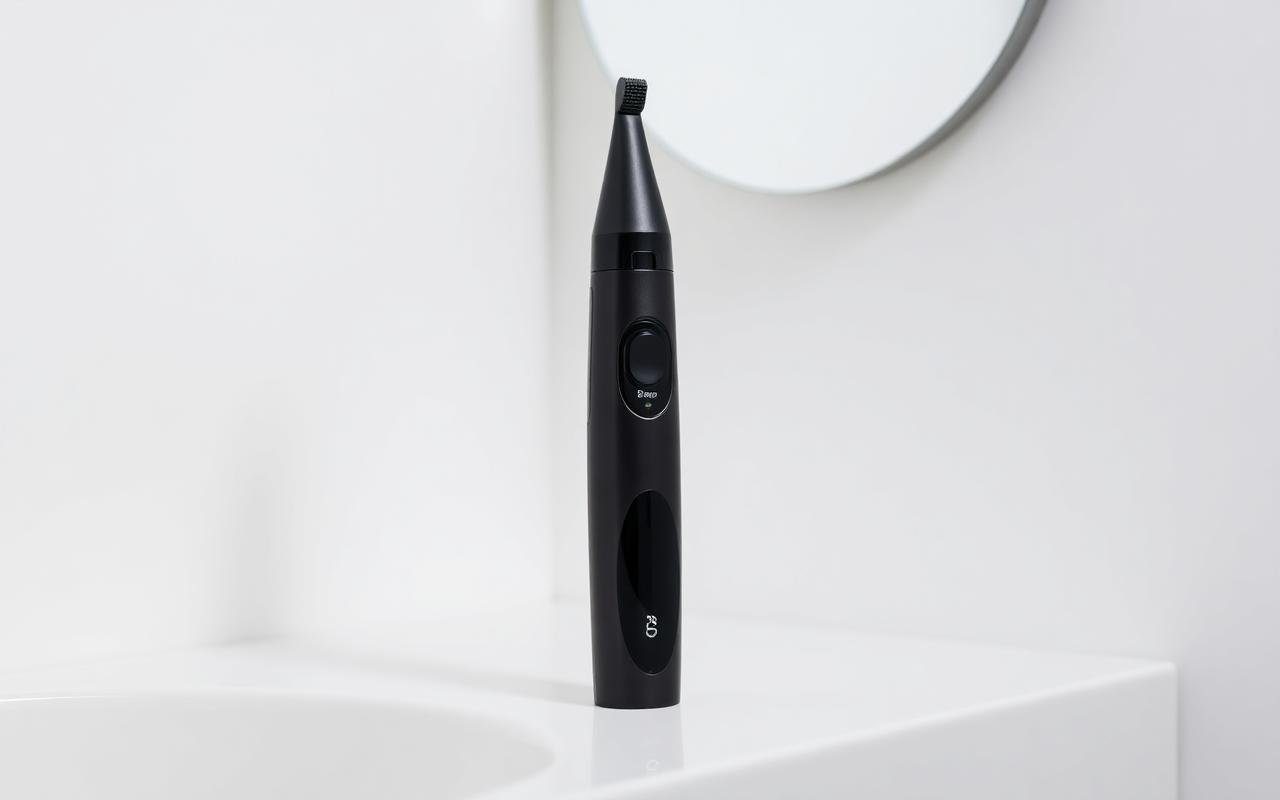
The safest and fastest tool for beginners. A rotary trimmer has a rounded, dome-shaped stainless steel guard that fits comfortably inside the base of the nostril. A high-speed blade spins inside the guard: long hairs enter the cutting slots through slits in the guard while the moving blade never contacts the sensitive inner skin.

Method 2: Round-tip safety scissors
If you only have one or two stray hairs, small scissors with blunt rounded ball tips are ideal. Unlike sewing or cuticle scissors, the tips are ground into completely rounded balls, so you can safely place the blades inside the rim of the nostril without any risk of poking the internal membrane. Cheap round-tip safety scissors cost under $5 and last for years.
Painless step-by-step routine
- Blow your nose thoroughly and stand in a well-lit bathroom with a mirror.
- Turn on the rotary trimmer before insertion so the blades are already spinning cleanly.
- Insert the metal tip gently into the base of the nostril. Never deeper than 1/4 inch.
- Guide the tool in slow, gentle circles around the inner rim. Let the long hairs pass into the cutting slots naturally.
- Repeat on the other nostril. The whole process takes under a minute.
- Rinse the trimmer head under warm running water, spray with rubbing alcohol, air dry.
Common painful mistakes
- Tweezing. The single biggest cause of avoidable nasal pain and infection risk.
- Waxing. Adds a burn hazard on top of a plucking wound.
- Inserting the trimmer too deep. Anything past 1/4 inch touches the more sensitive tissue.
- Pressing the tip against the inner wall. Even a rounded guard bruises soft tissue with pressure. Let the tool float.
- Reusing an unwashed trimmer. Trapped hair carries bacteria straight back into the nose next time.
How often to trim
Once every 2 to 3 weeks for most people. Trimming more often risks over-clearing the filter. Aging naturally coarsens and lengthens nose hair, so trimming frequency usually creeps up after age 40.
Bottom line
Trim only the visible tips at the nostril rim, use a rotary trimmer or round-tip scissors, never insert deeper than 1/4 inch, and never pluck or wax. Panasonic ER-GN30 is the balanced pick, Philips 5000 is the premium bathroom kit option, ToiletTree is the popular budget option. Clean the tool after every use and space sessions 2 to 3 weeks apart.