Quick Answer
To survive late-summer heat, close the house up during the day, open it at night, and cool the person rather than the building when you cannot do both. Shade on the windows does more than any fan.
Drink before you feel thirsty, avoid outdoor exertion between roughly 11am and 5pm, and check on anyone over 65, anyone with a heart or lung condition, and anyone living alone.
Learn the difference between heat exhaustion and heat stroke. Heat exhaustion means cool down and rehydrate; heat stroke, where someone is confused or stops sweating, is an emergency and needs 911.
Why Late-Summer Heat Hits Harder
A heat wave in late August lands on a building that has been absorbing heat all summer. Masonry, roof structures and slab floors have soaked up warmth for weeks, so overnight temperatures indoors never drop back to a comfortable baseline.
That is why the third or fourth day of a heat wave is usually the worst. The daily peak might be the same, but the starting point each morning is higher, and there is no longer any cool reserve in the structure.
Humidity is the other half of it. Sweat only cools you when it evaporates, so a humid 92F day can be more dangerous than a dry 100F one. The heat index, which combines both, is the number to watch rather than the plain temperature.
Cooling the Home Without Air Conditioning
Order of operations matters here, and most people do it backwards.
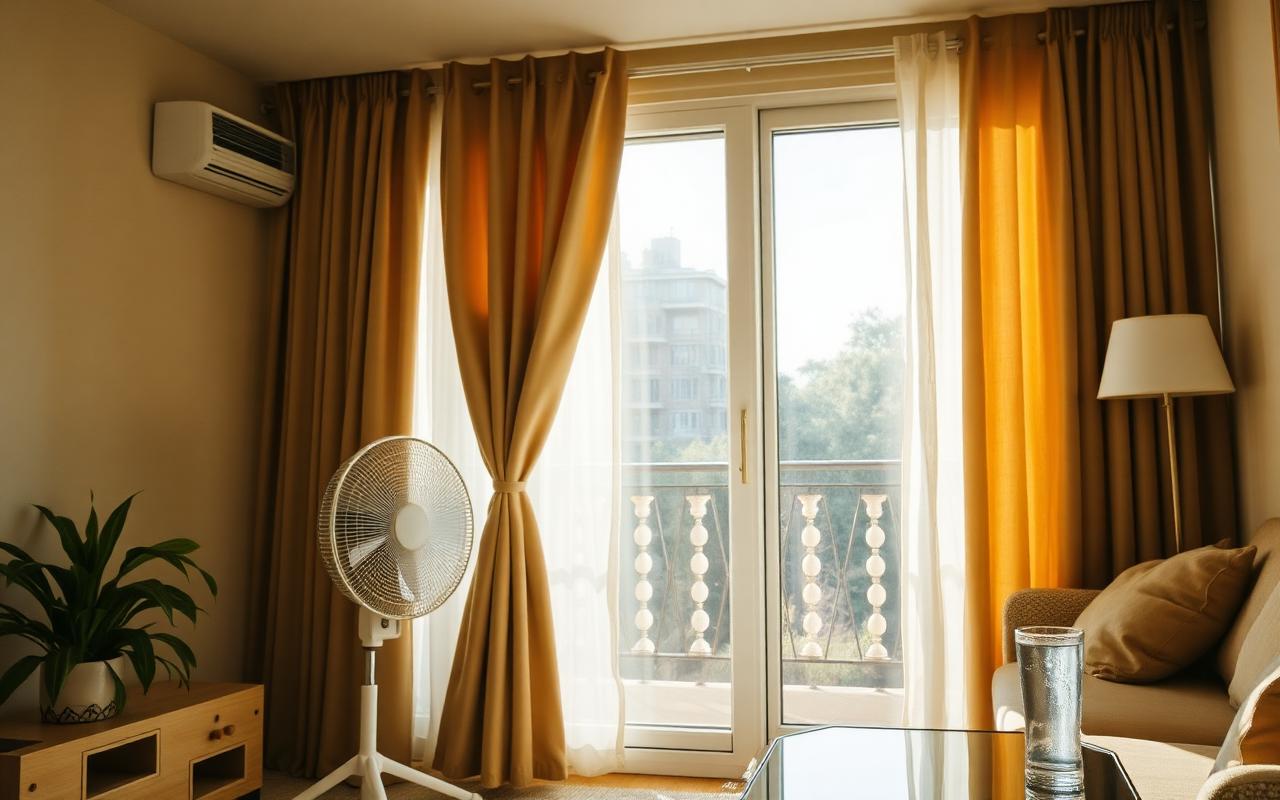
- Block the sun before it gets in. External shade, awnings or even a sheet outside the glass beats internal curtains, because once the light is through the window the heat is already inside. Failing that, close blackout curtains on the sunny side before mid morning.
- Shut windows during the day if it is hotter outside than in, and open them wide once the outside temperature drops below the inside one, usually well after sunset.
- Create cross ventilation at night. Two open windows on opposite sides with a fan pushing air out of the warm side moves far more heat than one fan in the middle of a room.
- Turn off heat sources. Ovens, dryers, incandescent bulbs, gaming machines and chargers all add to the load. Cook outdoors, use the air fryer or eat cold.
- Cool one room properly rather than the whole house. Pick the smallest room on the shaded side and make that the sleeping room for the week.
The Fan Caveat Worth Knowing
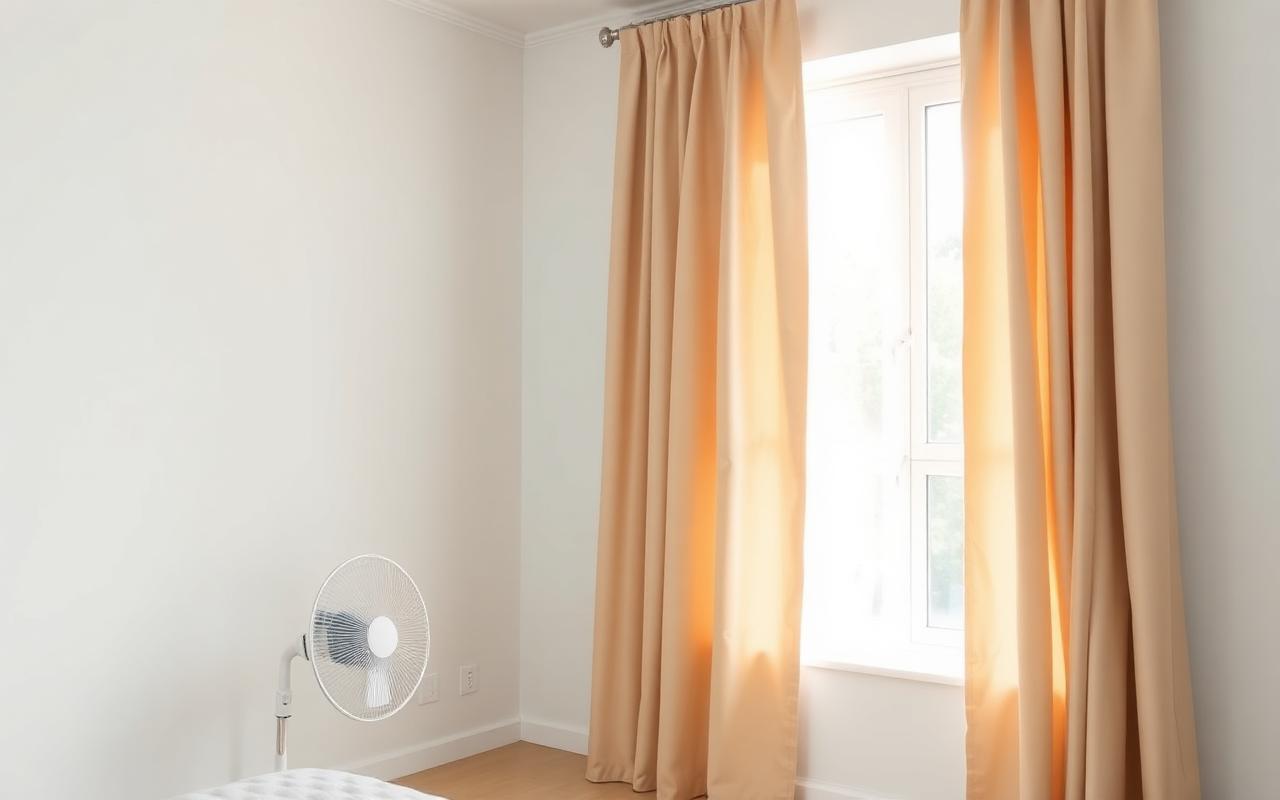
Fans cool you by helping sweat evaporate. That works well up to a point, but when air temperature climbs into the high 90s, a fan blowing hot air over skin adds heat rather than removing it, especially for older adults. CDC guidance is that electric fans should not be relied on as the primary cooling method in extreme heat.
The better move at that point is to wet the skin. A cool shower, a damp towel on the neck and wrists, or a spray bottle plus a fan does far more than the fan alone. If the indoor temperature will not come down, relocating for a few hours to a library, a shopping centre or a designated cooling centre is the correct answer.
Hydration Without Overcomplicating It
Drink steadily through the day rather than in large amounts at once, and start before you feel thirsty, because thirst lags behind actual fluid loss.
Water covers most people. If you are sweating heavily for hours, working outdoors or exercising, you are also losing sodium, and plain water alone can leave you low on electrolytes. An electrolyte drink, or simply salted food alongside water, handles that.
Alcohol and very sugary drinks are worth limiting in serious heat, and caffeine is fine in normal amounts. Anyone on diuretics or with a fluid restriction from a doctor should follow the medical advice they already have rather than general hydration rules.
Heat Exhaustion Versus Heat Stroke
| Sign | Heat exhaustion | Heat stroke |
|---|---|---|
| Skin | Cool, pale, heavy sweating | Hot, red, may be dry |
| Mental state | Tired, dizzy, weak | Confused, slurred speech, may lose consciousness |
| Pulse | Fast and weak | Fast and strong |
| Body temperature | Raised | 103F or higher |
| What to do | Move to cool place, sip water, cool cloths, loosen clothing | Call 911 immediately, cool aggressively, do not give fluids to drink |
If someone with heat exhaustion is vomiting, or symptoms get worse or last longer than an hour, treat it as an emergency. Heat stroke can develop from untreated heat exhaustion quickly.
Who Needs Checking On
Heat deaths concentrate in a predictable group: older adults, people living alone, people with heart, kidney or lung conditions, people on certain psychiatric and blood pressure medications, infants, and anyone working outdoors.
A phone call is not enough for someone at real risk, because early heat illness impairs judgement and people routinely say they are fine. Visit if you can, and check that the room they are actually sitting in is cool, not just that they own a fan.
Never leave children or pets in a parked car, even briefly and even with windows cracked. Interior temperatures rise dangerously within minutes.
Sleeping Through It
Bedrooms are often the hottest room because they are upstairs. Move the mattress downstairs for the week if that is the cooler floor, keep the ceiling fan running, and use a single cotton sheet rather than nothing at all, since a light layer helps sweat evaporate evenly.
A cool shower before bed helps more than a cold one, because a very cold shower triggers a rebound that leaves you warmer. Frozen water bottles wrapped in a towel at the feet or behind the knees are a cheap and effective trick.
If the Power Goes Out
Heat waves strain the grid, and outages during them are common. Keep the fridge and freezer closed; a full freezer holds temperature for around 48 hours unopened, a fridge for about four. Have a battery power bank charged for phones, and know where the nearest cooling centre is before you need it.
Food that has been above 40F for more than two hours should be thrown out. When in doubt, throw it out is the right call, because heat-spoiled food gives no reliable warning by smell.
Frequently Asked Questions
Is it better to open windows at night in a heat wave?
Yes, once the outdoor temperature falls below the indoor one, and close them again in the morning.
Do fans work in extreme heat?
Only up to a point. Above roughly the high 90s a fan alone can add heat, so combine it with wetting the skin or move somewhere cooler.
What temperature counts as a heat wave?
There is no single figure. Weather services define it relative to what is normal locally, usually two or more consecutive days of unusually high heat index values.
How much water should you drink in a heat wave?
Enough that urine stays pale. Drink steadily rather than in large single amounts, and add electrolytes for heavy sweating.
When should you call 911 for heat illness?
Confusion, loss of consciousness, hot dry skin, a temperature at or above 103F, or heat exhaustion symptoms that worsen or persist beyond an hour.