Quick Answer
Find your average first frost date, then count backwards using each crop's days to maturity plus about two weeks for the slower growth that comes with shortening days. Anything that fits gets planted, anything that does not waits for spring.
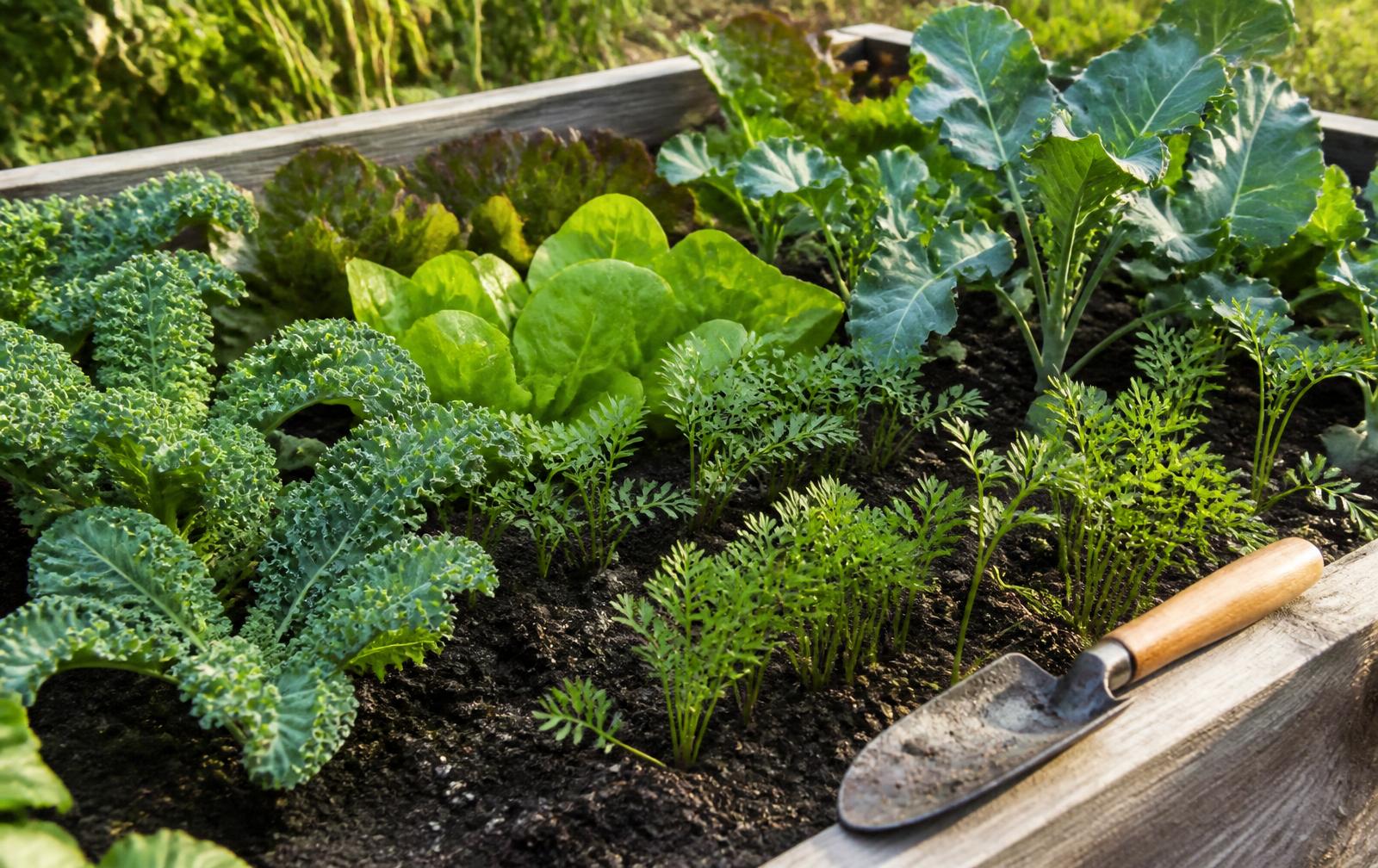
In most temperate zones, an August sowing still leaves time for lettuce, spinach, radish, arugula, kale, turnips, bush beans and quick-cycle Asian greens.
The real August challenge is not cold, it is heat. Soil warm enough to stall germination is the main reason fall gardens fail before they start.
Do the Frost Math First
Every fall planting decision comes from one number: your average first frost date. Once you have it, the arithmetic is simple.
Take the days to maturity printed on the seed packet, add roughly fourteen days as a fall factor, and count back from the frost date. If the result is today or later, you have time. If it lands in July, that crop has missed the window.
The fall factor exists because day length is shrinking. A lettuce that matures in 45 days in May will take noticeably longer in September, and the gap widens as the season goes on.
What Still Has Time in August
| Crop | Days to maturity | Frost tolerance |
|---|---|---|
| Radish | 25 to 30 | Light frost fine |
| Arugula and mustard greens | 30 to 40 | Light frost fine |
| Leaf lettuce | 40 to 55 | Light frost, protect from hard freeze |
| Spinach | 40 to 50 | Very hardy, improves in cold |
| Turnips | 45 to 60 | Hardy, roots sweeten after frost |
| Kale | 50 to 65 | Very hardy, flavor improves |
| Bush beans | 50 to 60 | None, must finish before frost |
Kale, spinach and turnips genuinely taste better after a frost, because cold pushes the plant to convert starches into sugars. That is the reward for a fall garden rather than a consolation prize.
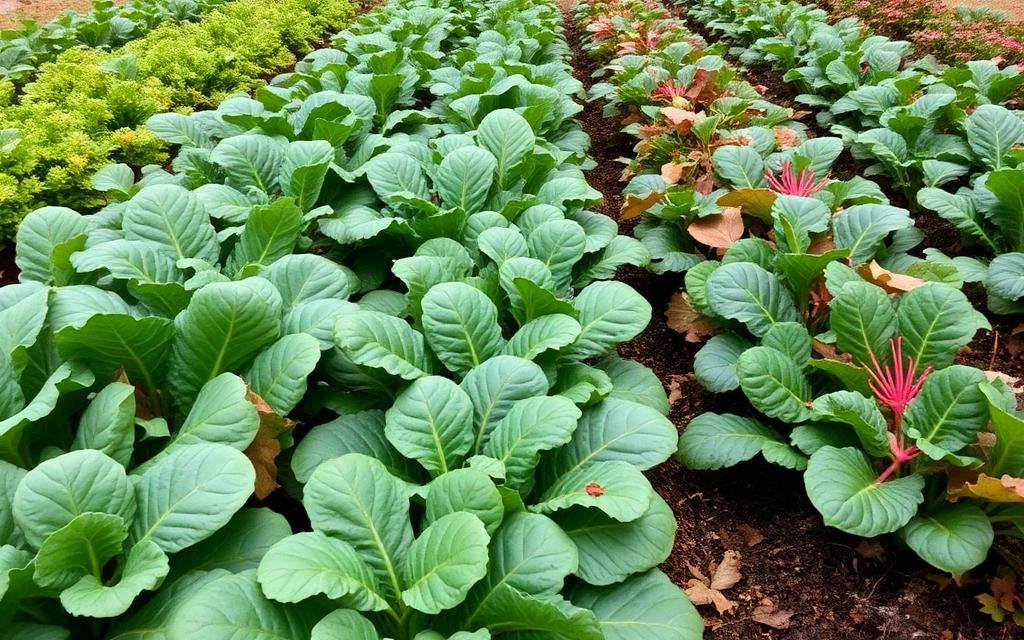
Getting Seed to Germinate in Hot Soil
Lettuce and spinach germinate poorly above roughly 80F, and August soil in full sun routinely exceeds that. Four techniques fix it.
- Sow slightly deeper than you would in spring, where the soil is cooler and stays moist longer.
- Water the furrow before sowing rather than only after, so the seed sits in an already cool, damp bed.
- Shade the row for the first week with a board, a length of shade cloth or an old window screen propped a few inches above the soil.
- Start indoors and transplant. Seedlings raised on a cool windowsill or under a light skip the hardest phase entirely.
Consistency matters more than volume. A bed that dries out at midday will fail even if you soak it every evening, so a light morning watering plus shade beats one heavy drenching.
Prepare the Bed Properly
Fall crops usually follow summer crops, which means the soil has just finished feeding something hungry. Pull spent plants, remove diseased material rather than composting it, and rake the surface level.
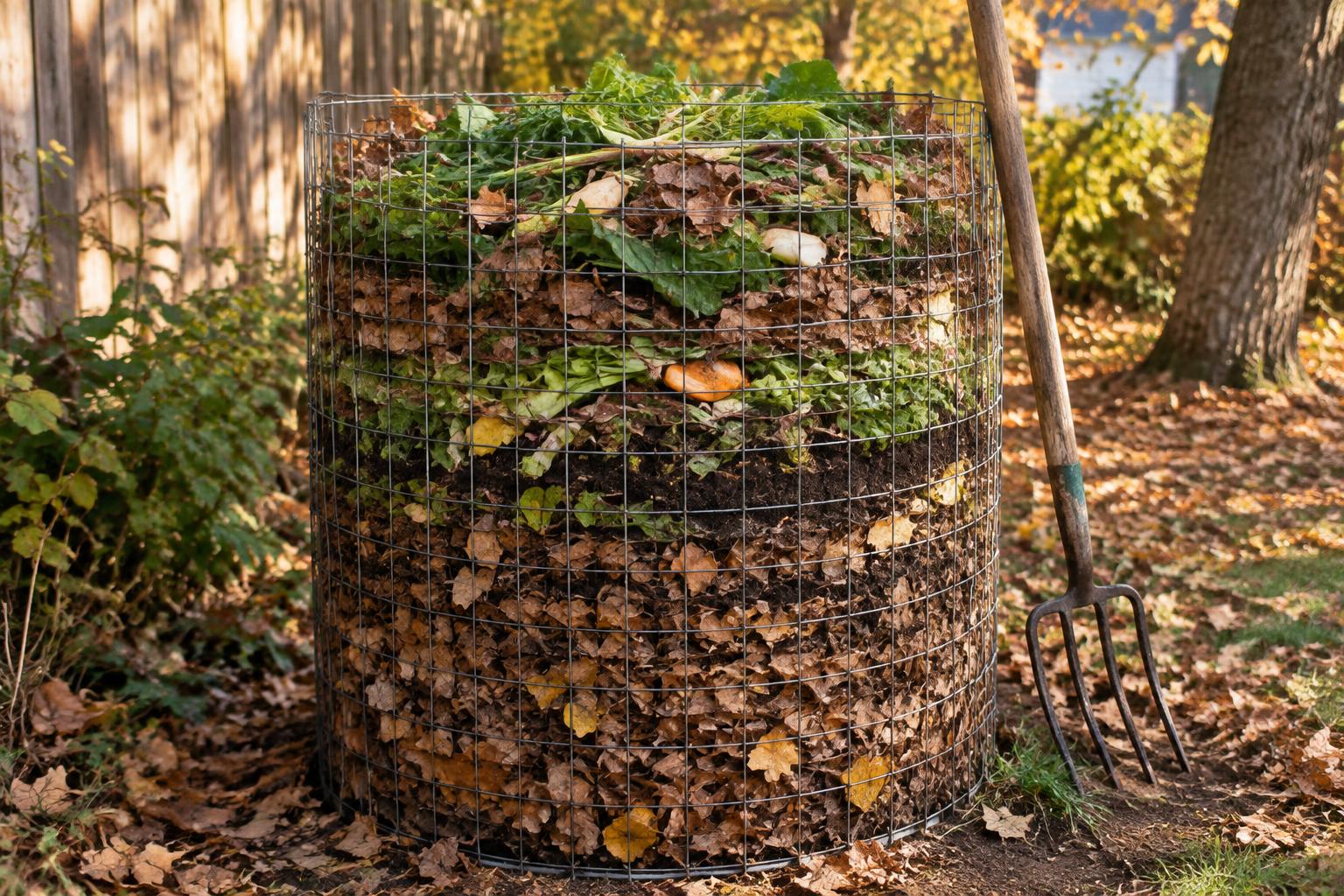
Work in an inch or two of compost. You are not aiming for a spring-style full feed, just replacing what the summer crop took. Then mulch lightly between rows once seedlings are up, which keeps soil temperature steady and cuts watering.
Watch for pests that peak in late summer. Flea beetles, cabbage worms and aphids all target young brassicas, and a floating row cover put on at sowing time prevents most of that damage without any spraying.
Stretching the Season at the Other End
The point of a fall garden is that a little protection buys weeks of extra harvest at a time of year when nothing else is producing.
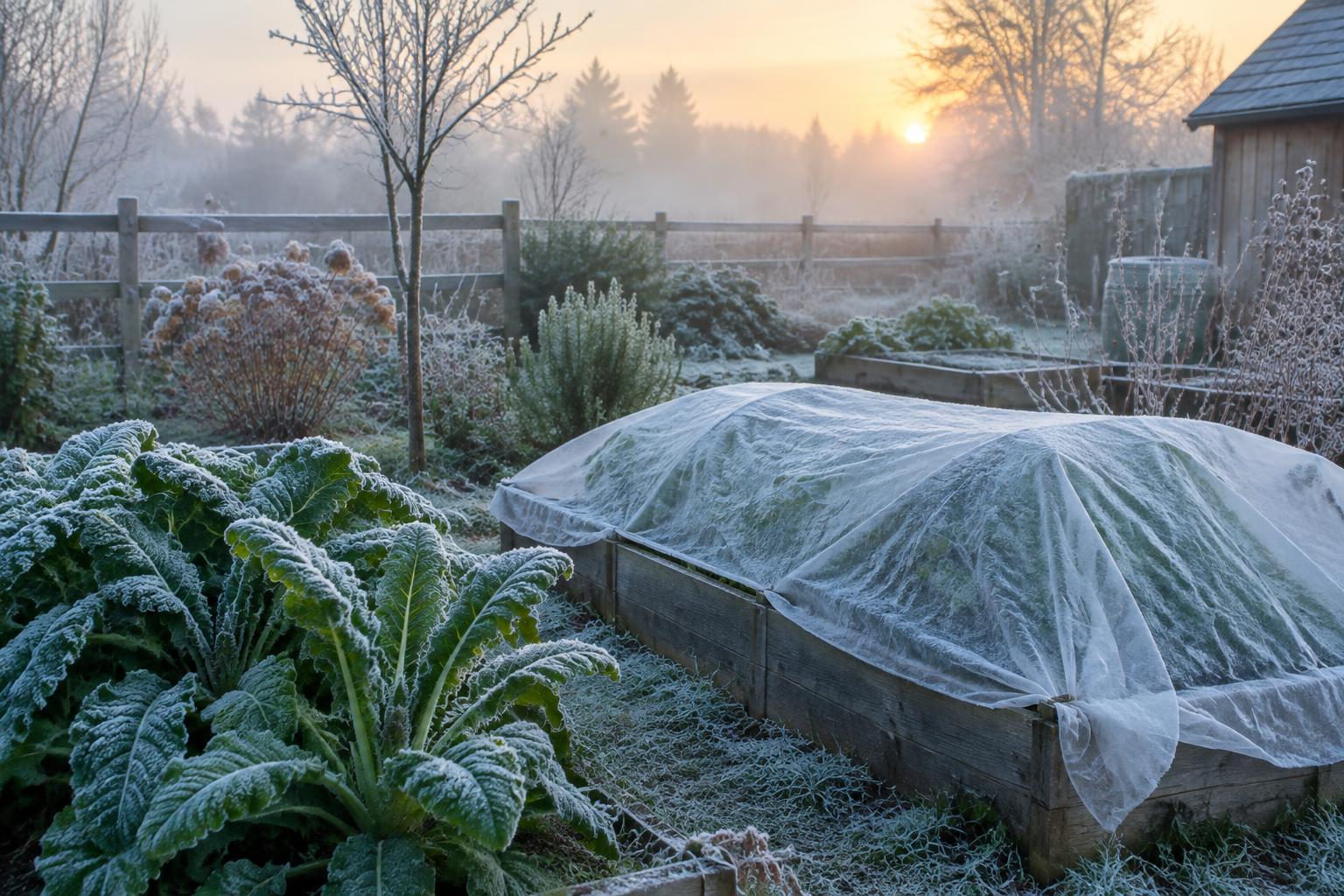
- A floating row cover adds roughly two to four degrees of frost protection and doubles as pest control.
- A low tunnel of hoops and plastic can carry hardy greens for weeks past the first frost.
- A cold frame over spinach or lettuce can keep a small harvest going into deep winter in milder zones.
- Deep straw mulch over root crops lets you leave turnips and carrots in the ground and lift them as needed.
A Realistic August Schedule
Break the job into three short sessions rather than one exhausting weekend.
Session one: clear a bed, add compost, water it thoroughly and let it settle for a day. Session two: sow the slower crops first, kale and turnips and spinach, and shade the rows. Session three, about two weeks later: sow the fast crops, radish and arugula and lettuce, in the gaps left between the earlier rows.
Staggering like this gives you a harvest that arrives in waves rather than all in one impossible week, and it leaves room to replace anything that fails to come up.
Common Mistakes That Waste an August Sowing
Fall gardens fail for a short list of predictable reasons, and each one is avoidable with a small change in approach.
The first is sowing spring varieties without checking days to maturity. A 90 day cabbage sown in late August simply will not finish, and no amount of care changes that arithmetic.
The second is inconsistent watering during germination. Fall seed goes into soil that dries much faster than spring soil, and a single hot afternoon can kill a row that emerged the day before.
The third is planting into exhausted ground. A bed that just carried tomatoes all summer needs compost before it carries anything else, or the seedlings stall at the two-leaf stage and never recover.
The fourth is skipping pest protection on young brassicas. Late summer is peak season for flea beetles and cabbage worms, and a row cover put on at sowing costs less than replacing the crop.
The last is planting too much at once. A staggered sowing across two or three weeks gives a harvest you can actually eat and a second chance if the first attempt fails.
Frequently Asked Questions
Is August too late to plant vegetables?
No. Fast greens, radishes, turnips and kale all fit comfortably in most temperate zones.
How do you calculate what to plant?
Count back from your average first frost date using days to maturity plus about two weeks for shorter days.
Why will not lettuce seed germinate in August?
Soil above roughly 80F suppresses germination. Sow deeper, shade the row and pre-moisten the furrow.
Which fall crops taste better after frost?
Kale, spinach, turnips and carrots all sweeten as the plant converts starch to sugar in cold.
Do you need to fertilize a fall bed?
An inch or two of compost usually covers it, since you are replacing what the summer crop used.
What is the cheapest season extender?
A floating row cover, which adds a few degrees of frost protection and keeps late-summer pests off young plants.