Quick Answer
The 17 character VIN identifies a car uniquely, but it does not store the paint code on its own. I run the VIN through a free decoder (NHTSA vPIC, VINDecoder.net, or the dealer parts portal) to see the factory color name, then I confirm the actual alphanumeric paint code on a sticker in the driver door jamb, under the hood, or in the glove box. That sticker is the source of truth.
Generic color names like "Metallic Silver" cover dozens of slightly different blends. The alphanumeric code (for example Toyota 040, Honda NH-578, GM U8555) is what the paint shop actually mixes from.
Step 1: decode the VIN online
- Find the 17 character VIN at the bottom corner of the driver side windshield, on the registration card, or on the insurance document.
- Open the NHTSA vPIC tool at vpic.nhtsa.dot.gov/decoder or any reputable decoder.
- Paste the VIN and submit.
- Scroll past engine and trim data and look for "Exterior Color" or "Paint Code."
For some makes (BMW, Mercedes, Porsche) the decoder reads the paint code straight out of the VIN through the manufacturer build database. For others (Toyota, Honda, Ford) the decoder only returns the color name and I still need to confirm the code on the sticker.
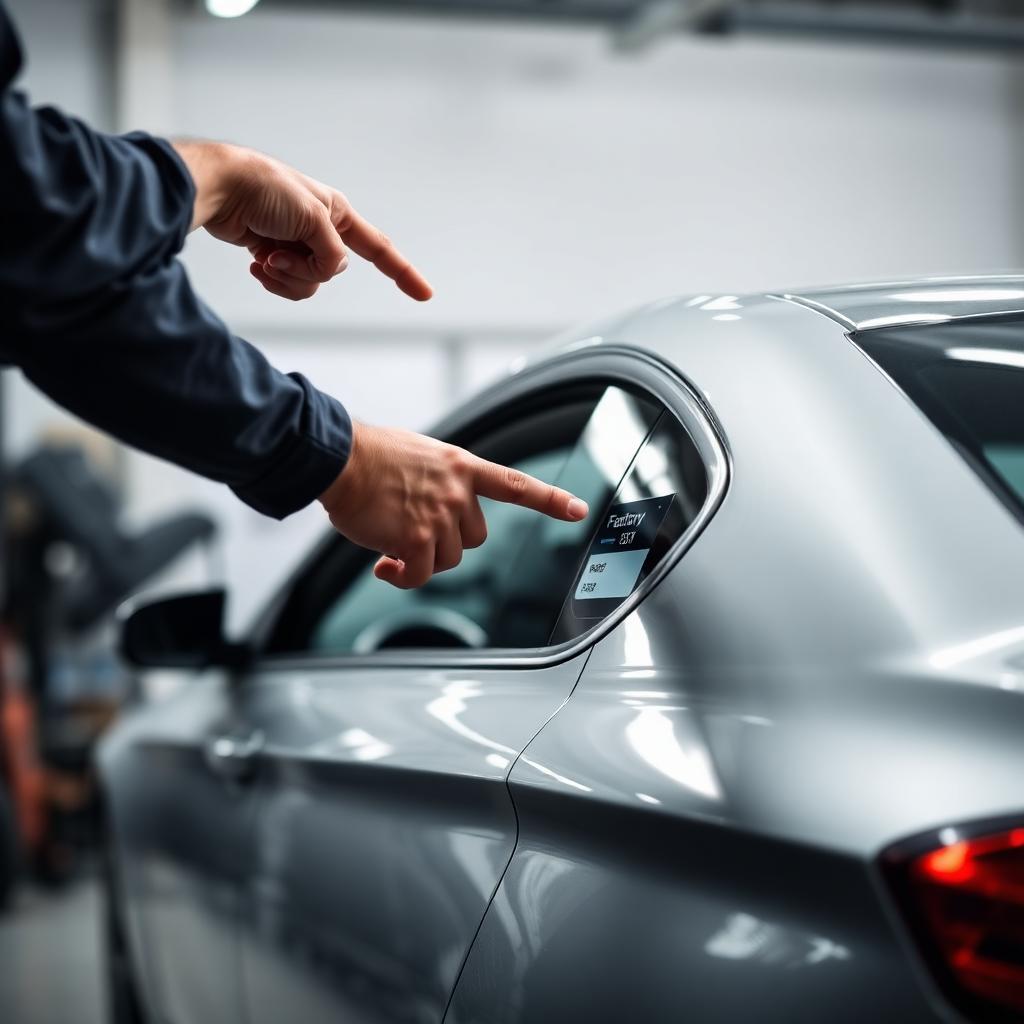
Step 2: find the physical paint code sticker
The placement varies by brand:
- General Motors (Chevy, GMC, Cadillac, Buick): Driver door jamb sticker or inside the glove box. Look for "BC/CC" followed by the code.
- Ford and Lincoln: Driver door jamb B pillar. Look for "EXT PNT" with a two character code.
- Toyota and Lexus: Driver door jamb. Look for "C/TR" with a three digit color code and a four character trim code.
- Honda and Acura: Driver door pillar shut area. Look for "COLOR" with a code like NH-578 or B-92P.
- BMW: Under the hood on the strut tower brace, plus a build sheet inside the trunk lid liner.
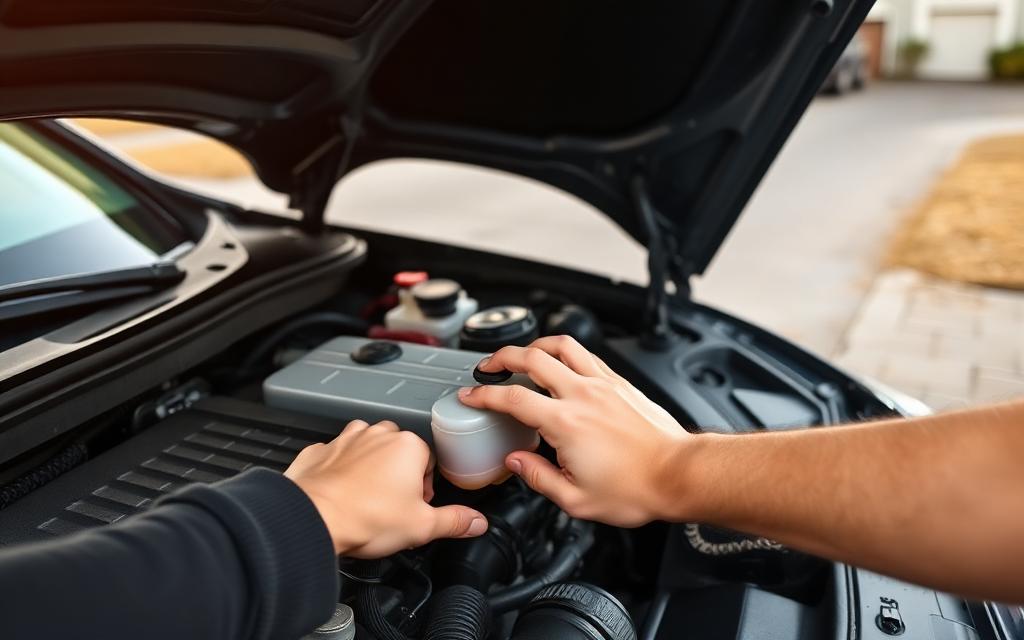
- Mercedes-Benz: Under the hood on the firewall sticker, or inside the driver door jamb.
- Subaru: Driver door jamb. Three character code such as 02C (Crystal White Pearl).
- Volkswagen and Audi: Spare tire well or trunk floor sticker.
How paint codes are formatted
Each manufacturer uses its own structure:
- Toyota: 3 digits (040 = Super White, 1F7 = Classic Silver).
- Honda: NH or B prefix plus digits (NH-731P = Crystal Black Pearl).
- Ford: 2 characters (UA = Tuxedo Black, YZ = Oxford White).
- GM: a letter plus digits (WA8555 or U8555 = Black).
- BMW: 3 digits (475 = Black Sapphire Metallic).
The same color name across two brands is almost never the same chemistry. A Ford UA black is not a Toyota 202 black.
Why a 'close enough' color fails
Modern car paint has three or four layers: primer, base coat, mid coat (for pearl or candy colors), and a clear coat. The metallic flakes are sized and aligned by the spray gun. A touch up that is even one shade off will flash differently in sunlight and look like a patch from across the parking lot.
The factory paint code tells the supplier exactly which pigment ratio, flake size, and clear coat to mix. That is why pulling the code matters far more than guessing the color.
Buying touch up paint
Once I have the code, options include:
- Dealer parts department touch up pen ($15 to $30, dead accurate but limited colors).
- Online specialists like AutomotiveTouchup or PaintScratch that mix small bottles, aerosols, or pint kits from the code.
- Local paint shops with a spectrometer that can read the existing panel and adjust for sun fade.
For a small chip the pen is fine. For a panel level repair I always go to a body shop that can spray, blend, and clear coat.
What if there is no sticker
If the door has been replaced or the sticker is missing, three fallbacks exist:
- Call the dealer parts counter with the VIN. They can pull the original build sheet.
- Take a clean panel to a body shop with a paint spectrometer. They read the actual color and mix from that reading.
- For European cars, the build sticker is often duplicated in the spare tire well, the trunk liner, or the service booklet.
Pro tips
- Always test touch up paint on a hidden area first (inside the fuel filler door is perfect). Sun fade can shift a code year by year.
- Two stage paints (basecoat plus clearcoat) need the clear coat applied separately, not skipped.
- Photograph the door jamb sticker the day I take delivery. Stickers fade fast in direct sunlight.
The takeaway
A VIN decoder gives me the color name, but the alphanumeric paint code on the body sticker is what mixes accurately. Find the sticker on the door jamb, the firewall, or the glove box, copy the code exactly, and I can order a touch up pen or a full body repair that actually matches. Skipping that step is why so many bumper repairs look like patches.