Quick Answer
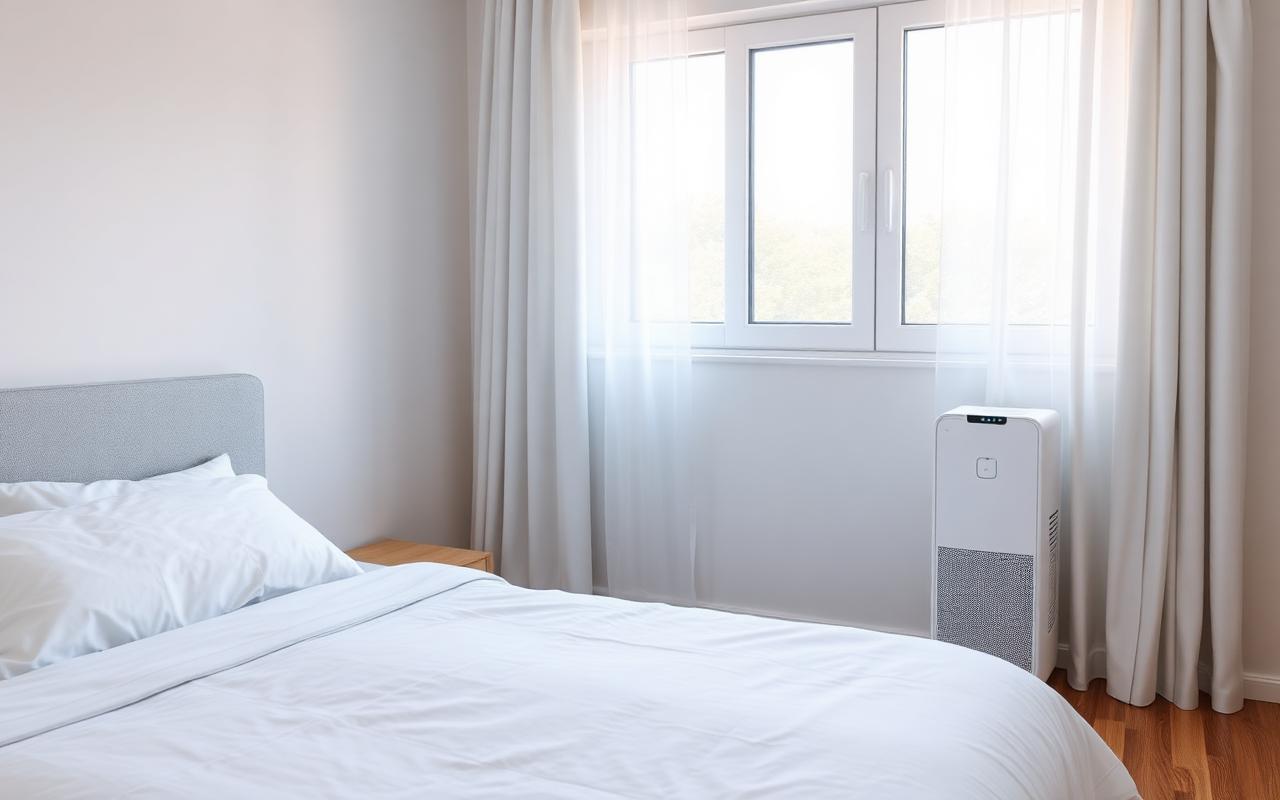
To allergy-proof a bedroom for ragweed season, keep the windows shut through the season, shower and change clothes before you get into bed, and run a HEPA air cleaner sized for the room. Those three steps do most of the work.
The reason the bedroom matters more than any other room is exposure time. You spend seven or eight uninterrupted hours there with your face on a surface, so pollen that reaches the pillow gets a full night to bother you.
Ragweed season typically runs from mid August into the first hard frost, and pollen counts are usually highest in the morning. Plan the room around that timing.
Why Ragweed Is Different
Ragweed produces enormous quantities of very light pollen designed to travel on wind, which is why it turns up far from any visible plant. It is the dominant late-summer trigger across much of North America, and it overlaps with mould spores from damp late-summer ground, so many people are reacting to two things at once.
Because the pollen is airborne rather than insect carried, staying away from the plants themselves achieves very little. Controlling what gets into your air and onto your bedding achieves a lot.
Ranked by What Actually Helps
| Step | Effort | Impact |
|---|---|---|
| Keep bedroom windows closed in season | None | High |
| Shower and change before bed | Low | High |
| HEPA air cleaner sized to the room | One purchase | High |
| Wash bedding weekly in hot water | Low | Medium |
| Keep pets out of the bedroom | Medium, socially | Medium to high |
| Allergen-proof pillow and mattress covers | One purchase | Medium, mainly for dust mites |
| Dry laundry indoors during season | Low | Medium |
| Hard flooring instead of carpet | High | Medium, long term |
The Window Question
Sleeping with the window open in late August feels good and undoes everything else you do. Pollen drifts in overnight, settles on bedding and stays there.
If the room is too hot to close up, use a fan or air conditioning with the windows shut rather than trading pollen exposure for airflow. If you have central air, make sure the filter is a reasonable grade and has actually been changed this year; a clogged filter reduces airflow without cleaning anything.
The Shower Rule
Pollen sticks to hair, skin, and especially to clothing fibres. Anyone who has been outdoors during the day is carrying a load of it, and going straight to bed transfers it directly to the pillow.
Shower in the evening rather than the morning during season, wash your hair, and leave the day's clothes outside the bedroom. This costs nothing and is consistently the change people notice fastest.
Do not dry laundry on an outdoor line during ragweed season. Sheets on a line act like a pollen net.
Choosing an Air Cleaner That Works
A portable air cleaner helps if two things are true: it uses a true HEPA filter, and it is rated for a room at least as large as yours. An undersized unit in a big bedroom cycles the air too slowly to matter.
Look at the clean air delivery rate rather than marketing claims, and match it to your square footage. Run it continuously on a low setting rather than intermittently on high, since pollen keeps entering the room every time the door opens.
Skip anything that generates ozone deliberately as a cleaning method. Ozone is a lung irritant, and it is a poor pollen remover.
Bedding and Soft Surfaces
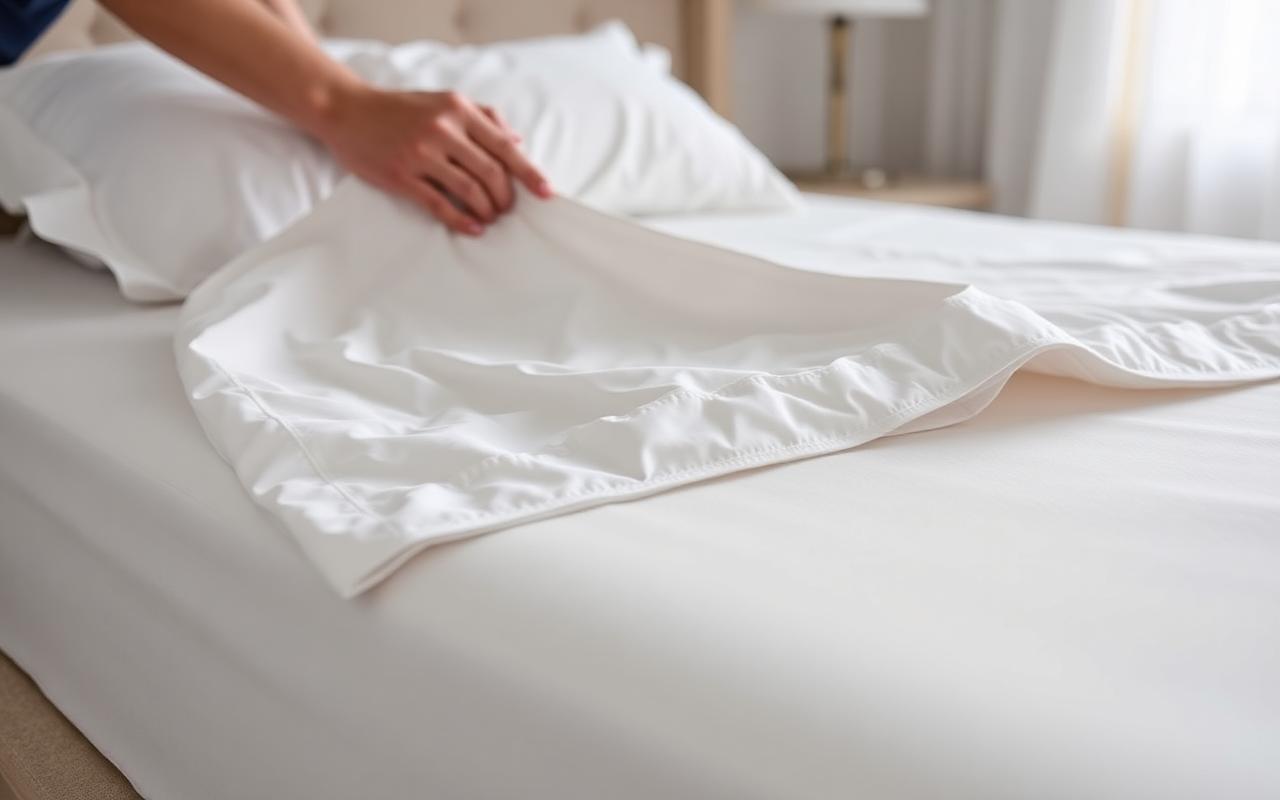
Wash sheets and pillowcases weekly in hot water, which handles both pollen and dust mite allergen. Duvet covers can go every two weeks; pillows themselves should be washed or replaced on the manufacturer's schedule.
Zippered allergen-proof covers on the mattress and pillows are aimed mainly at dust mites rather than pollen, but late summer is when a lot of people discover they are reacting to both. They are inexpensive and there is no downside beyond the crinkle of a cheap one, so buy fabric-backed rather than plastic.
Cut the clutter that collects dust: piles of soft toys, fabric wall hangings and open bookshelves all hold allergen and are hard to clean.
Pets, Politely
A dog that has been in long grass is a pollen delivery service, and a cat that goes outdoors is the same. Wiping a pet down with a damp cloth when they come in removes a surprising amount.
Keeping pets off the bed is more effective than keeping them out of the room, and it is an easier negotiation. If they sleep in the room, wash their bedding on the same schedule as yours.
Timing Your Day Around the Count
Pollen counts generally peak from mid morning through early afternoon, and fall after rain, which washes pollen out of the air. Windy dry days after a warm night are the worst.
Use that to schedule. Run outside early or after rain, keep car windows up and use recirculated air, and change clothes when you get home rather than at bedtime if you have been out during peak hours.
When Room Changes Are Not Enough
Environmental control reduces exposure but rarely eliminates symptoms in someone with significant allergic rhinitis. Over the counter antihistamines and steroid nasal sprays are the standard next step, and nasal sprays generally work better for congestion but take several days of consistent use to reach full effect.
If symptoms disrupt sleep for weeks, trigger asthma, or do not respond to over the counter treatment, that is a conversation with a doctor rather than another gadget purchase. Allergy testing can identify whether ragweed is genuinely the trigger, and immunotherapy is an option for people who react severely every year.
Frequently Asked Questions
When does ragweed season end?
Usually at the first hard frost, which in much of the United States means late October or November.
Does a HEPA filter remove pollen?
Yes. Pollen grains are large relative to the particle sizes HEPA filters capture efficiently, so a properly sized unit removes them well.
Should you shower in the morning or at night during allergy season?
At night, so the day's pollen does not go into the bed with you.
Do air purifiers help with mould as well?
They capture airborne spores, but they do not fix the damp that is producing them. Address the moisture source too.
Is it worth closing bedroom windows if the rest of the house is open?
Yes. The bedroom is where exposure time is longest, so protecting that one room still helps.