Quick Answer
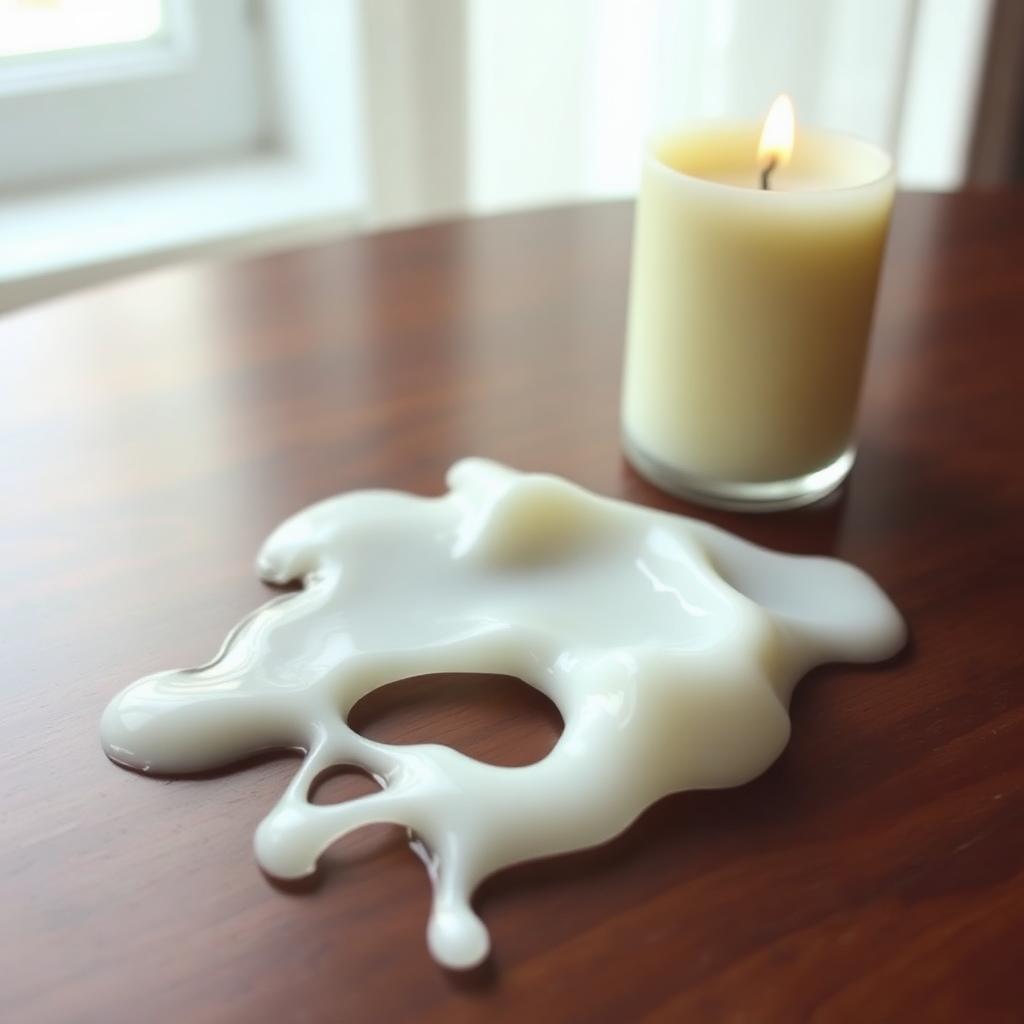
For hard surfaces like wood, glass, and stone, freeze the wax with an ice pack for ten minutes and pop it off with a plastic scraper. For fabric and carpet, cover the wax with a brown paper bag and run a warm dry iron over the top, the wax melts and absorbs into the paper. For leftover dye stains, use isopropyl alcohol on hard surfaces and dish soap worked into the fibers for fabric.
Why freezing or heating both work
Wax has two cooperative weaknesses. It becomes brittle when frozen, which lets you fracture it off a surface in clean chunks instead of smearing it. And it returns to liquid at low temperatures (most candle waxes melt between roughly 120 and 180 degrees F), which lets you draw it up into an absorbent material with a warm iron. The trick is matching the right method to the surface. Cold for non porous, heat for porous.
Method 1: freeze and shatter for hard surfaces
Best for wood furniture, glass tabletops, stone counters, metal candle holders, and glazed ceramic.
- Wrap an ice pack or a bag of ice cubes in a thin towel.
- Place the wrapped ice directly over the wax spill and let it sit for 10 minutes.
- Once the wax is fully frozen and brittle, use a plastic putty knife, the edge of an old credit card, or a wooden spatula to pop the wax off the surface.
- Wipe the area with a soft cloth dampened with warm water and a drop of dish soap to lift any remaining oily film.
Never use metal knives or razor blades on wood or natural stone. They scratch protective coatings and gouge soft stone surfaces permanently.
Method 2: heat absorption for fabric and carpet
Best for clothing, tablecloths, upholstery, and carpet.
- Use a butter knife or the edge of a credit card to gently scrape off any loose, chunky surface wax. Do not press hard, the wax should still be soft and you do not want to push it deeper into the fibers.
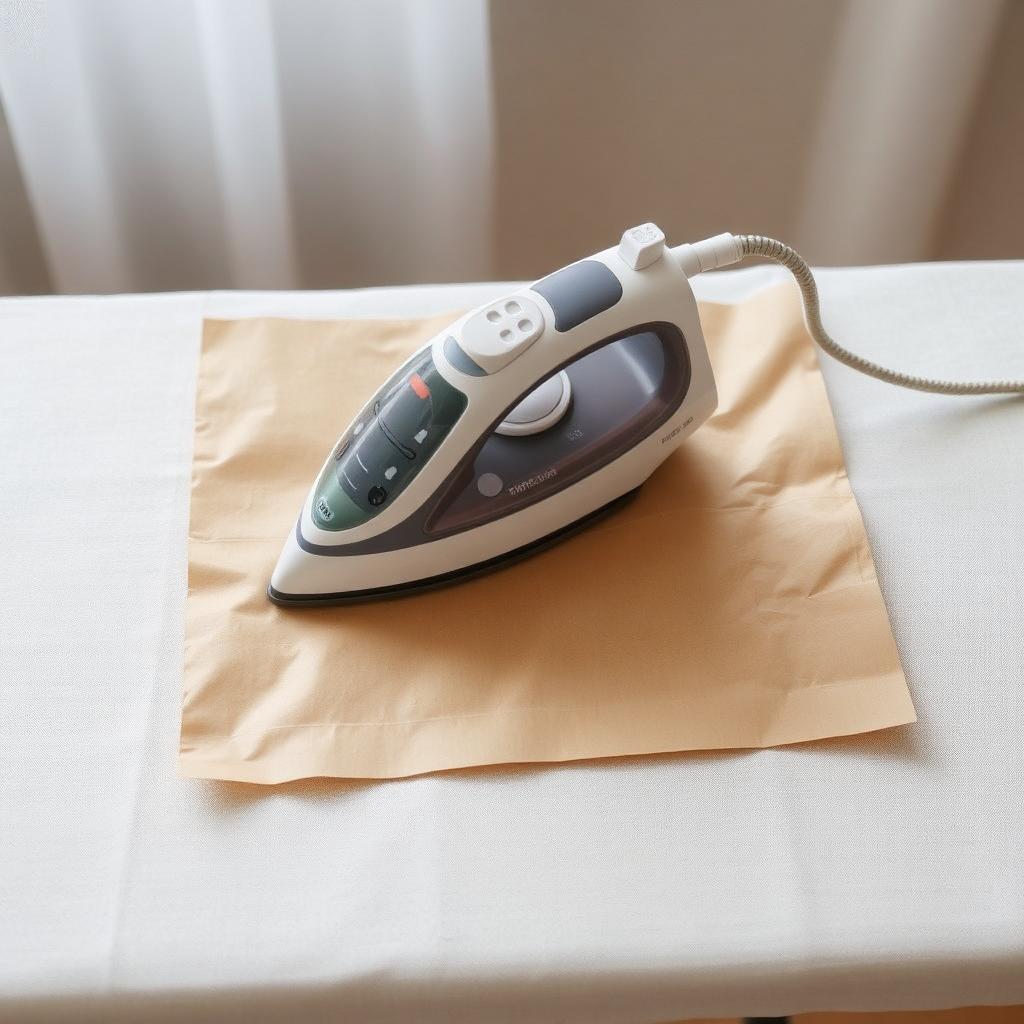
- Place a clean brown paper grocery bag (or a white cotton towel) flat over the remaining wax stain.
- Set a clothes iron to low or medium heat with the steam turned off.
- Pass the iron smoothly over the paper or towel. You should see a darker patch appear where the wax is being drawn up into the bag.
- Shift to a fresh area of the paper bag and repeat until no more wax transfers.
Do not use steam, the moisture sets the wax deeper. Do not use the iron's highest setting, that scorches synthetic carpet fibers.
Method 3: handling colored wax stains
After the bulk of the wax is gone you may still see a dye stain or oily shadow. Treat it based on the surface.
- Wood and stone: dampen a microfiber cloth with isopropyl alcohol or mineral spirits and wipe gently. Follow with a clean damp cloth and a thin coat of furniture polish on wood.
- Glass and metal: isopropyl alcohol or a standard glass cleaner removes any remaining residue.
- Fabric: apply a few drops of grease cutting liquid dish soap directly to the stain, work it in with your fingers, let it sit 15 minutes, then wash in warm water on a normal cycle.
- Carpet: blot with a cloth dampened in dish soap solution. For stubborn dye stains, dab with a 1:1 mix of hydrogen peroxide and water (test in a hidden spot first to make sure it does not lighten the carpet).
Removing wax from inside a glass candle jar
If you want to reuse a glass candle jar, freeze the entire jar in the freezer for two hours. The remaining wax block shrinks slightly and pops free with a gentle push from a butter knife. Wash the jar in hot soapy water to remove any oily film.
What not to do
- Do not pour boiling water on a hardwood floor to melt wax. The water damages the finish faster than the wax.
- Do not use a hair dryer on synthetic carpet, it melts the fibers along with the wax.
- Do not scrub frozen wax off lacquered wood with a metal scraper, you will gouge the finish.
Related reading
For more home cleaning workflows see how I deep clean shower tiles and soap scum.
The takeaway
Two methods cover almost every wax spill. Freeze and shatter for anything hard and non porous. Iron and paper bag for anything woven or fluffy. Match the method to the surface, work patiently, and almost any candle wax disaster comes out clean.
Frequently asked questions
Can I use a hair dryer instead of an iron?
On natural fiber carpet you can, but it is slower and tends to push the wax deeper rather than absorbing it. The paper bag and iron method is more reliable.
What about beeswax versus paraffin?
Both respond to the same methods. Beeswax has a slightly higher melting point so the iron needs to be set a notch warmer.
Will dye stains come out of light carpet?
Usually yes, with dish soap first and then a peroxide solution if needed. Always patch test the peroxide on an out of sight section first.
Preventing the next spill
Use a charger plate or a small ceramic dish under any pillar candle. For taper candles, brass or glass bobeches (small drip catchers that sit on top of the candleholder) catch wax before it reaches the table. For container candles, never burn the wick longer than four hours at a stretch, because longer burns overheat the glass and lead to glass cracks that spill the entire pool of liquid wax.
What to do with wax on painted walls
Painted drywall is a special case because both freezing and ironing risk damage. The best approach is to let the wax fully cool and harden, then use a plastic scraper at a low angle to lift it. Any residual oily mark usually responds to a magic eraser used very gently, although on flat or matte paint finishes it can leave a slightly polished spot that may need a fresh dab of paint to blend.
Why colored wax is harder than white
Candle dyes are oil soluble and bond to fibers more aggressively than the wax itself. That is why a white wax spill on a beige carpet often disappears completely with the iron method, while a red or purple wax spill leaves a stain that needs the extra peroxide step. If you regularly burn brightly colored candles, get into the habit of placing them only on non porous surfaces.