Quick Answer
Per 100g of raw buckwheat groats you get 343 calories, 13.3g of protein, 71.5g of carbs, 3.4g of fat and 10g of fiber. Cooked, those numbers drop to 92 calories and 3.4g of protein per 100g because the seed soaks up water.
What makes it special is the protein quality. Buckwheat is a complete plant protein with all 9 essential amino acids, including lysine, which is rare for a plant food.
Add a low glycemic load, 10g of prebiotic fiber, and zero gluten and you get one of the most underrated carbs for muscle, fat loss and gut health.
Is buckwheat actually a grain?
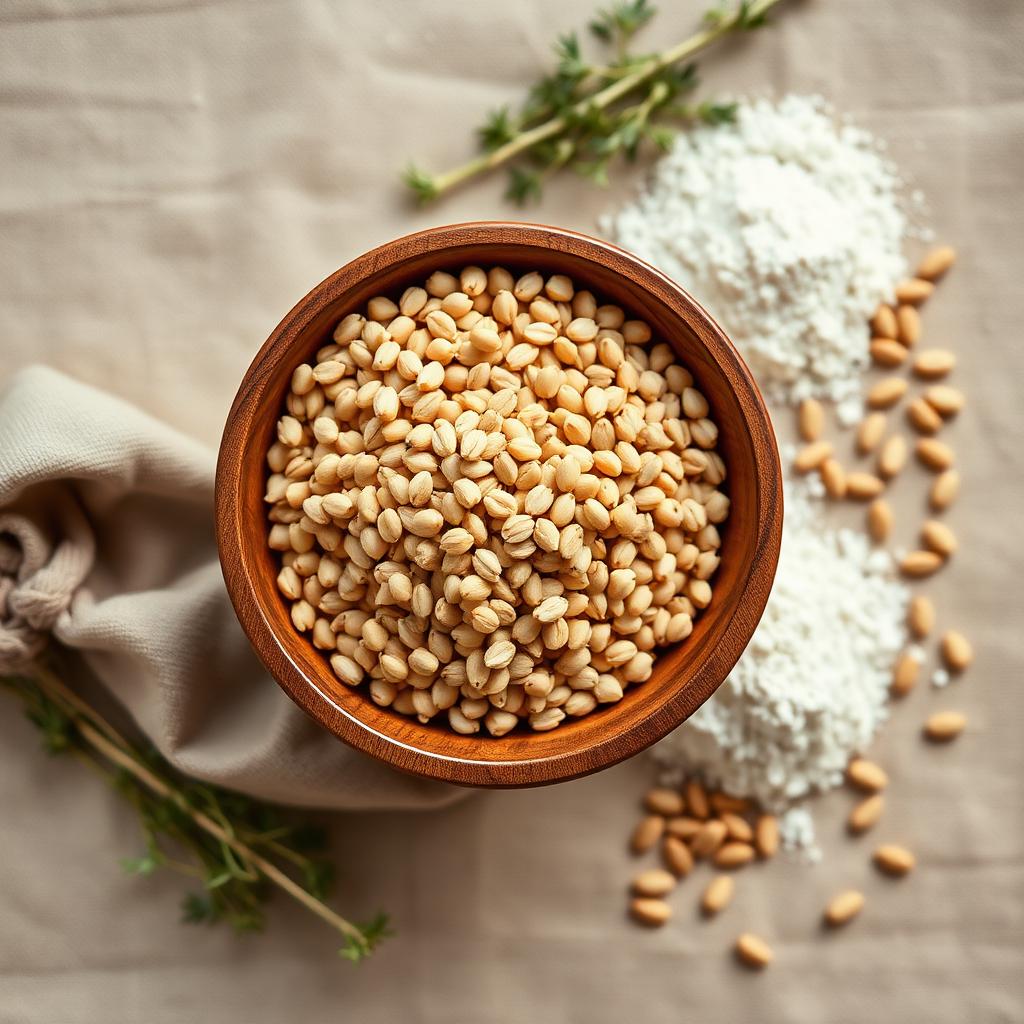
No. Despite the name, buckwheat is not wheat and not even a cereal grain. It is a fruit seed related to rhubarb and sorrel, which is why it is classified as a "pseudocereal".
It cooks and eats like a grain, but it grows on a flowering plant and contains zero gluten. That single difference is why so many people who bloat on wheat or oats feel fine on buckwheat.
The numbers: buckwheat nutritional breakdown
If you track macros, precision matters. Here is exactly what a 100g serving of buckwheat groats delivers, raw and cooked.
| Macro | Per 100g (Raw / Dry) | Per 100g (Cooked) |
|---|---|---|
| Calories | 343 kcal | 92 kcal |
| Carbohydrates | 71.5 g | 20 g |
| Protein | 13.3 g | 3.4 g |
| Fat | 3.4 g | 0.6 g |
| Fiber | 10 g | 2.7 g |
Macro tip: weigh it raw if you want the most accurate log. The cooked numbers are useful for quick estimates when you are eating out.
Buckwheat vs rice, oats and quinoa
Here is how 100g of raw buckwheat stacks up against the staples it usually replaces.
| Food | Protein | Fiber | Key superpower |
|---|---|---|---|
| Buckwheat | 13.3 g | 10 g | Complete protein, high mineral density |
| Brown rice | 7.5 g | 3.4 g | Easy to digest staple |
| Oats | 16.9 g | 10.6 g | Beta-glucan for heart health |
| Quinoa | 14.1 g | 7 g | Popular but pricier |
Oats edge it on raw protein, but buckwheat wins on amino acid completeness and on glycemic stability.
The Swap It Calculator
See exactly what you gain by swapping for buckwheat.
See exactly what you gain by swapping your usual carb source for nutrient-dense buckwheat.
Why buckwheat is having a moment
It is not just nostalgia for ancient seeds. Buckwheat solves three specific problems that modern diets and standard wheat struggle with.
- Complete protein for muscle repair. Unlike oats or rice, buckwheat carries all 9 essential amino acids, with high lysine. Great for vegans and athletes.
- The glucose buffer. It contains D-chiro-inositol, a compound shown to improve insulin sensitivity. That means steadier energy and fewer crashes after meals.
- Microbiome fuel. 10g of fiber per serving acts as a prebiotic for healthy gut bacteria, and the absence of gluten cuts inflammation for sensitive guts.
Buckwheat for fat loss
If body recomposition is the goal, buckwheat is one of the best carbs to keep in rotation. It is not magic, but the macro structure creates a quiet metabolic edge that white rice cannot match.
- Satiety. Soluble fiber expands in the stomach and the protein content keeps hunger flat for hours.
- Insulin management. Slow glucose release keeps the body in a fat-oxidising state instead of a fat-storing one.
- Thermic effect of food. Higher protein and a denser structure mean your body burns slightly more calories digesting it than refined grains.
How I actually eat it (beyond porridge)
Most people get stuck thinking buckwheat is just mushy breakfast cereal. It is one of the most flexible staples in the kitchen.
- Dinner, the rice swap (Kasha). Toast the groats in a dry pan for 3 minutes, then cook like rice. Nutty flavor that pairs beautifully with mushrooms and steak.
- Lunch, cold soba salad. Use 100% buckwheat noodles, shock in ice water, then toss with sesame oil, edamame and soy sauce.
- Breakfast, flourless pancakes. Buckwheat flour makes hearty, dark pancakes that hold you for hours. Maple syrup balances the earthiness.
- Snack, crunchy "buckinis". Activated (soaked and dehydrated) seeds add granola-style crunch to yogurt or smoothie bowls without the sugar.
Chef tip: if you are using raw, untoasted groats, rinse them well first. That removes the starchy dust that otherwise turns the dish slimy.
Frequently Asked Questions
Is buckwheat actually a pseudocereal?
Yes. Buckwheat is a seed that cooks and eats like a grain but does not grow on grass. It is botanically related to sorrel and rhubarb.
Raw vs cooked, which numbers should I track?
Always weigh raw if accuracy matters. Raw groats are 343 kcal, 13.3g protein and 10g fiber per 100g.
Cooked, the same seed weighs more because it absorbs water, so per 100g you only see 92 kcal, 3.4g protein and 2.7g fiber.
Is it really a "good" protein source?
Yes, and that is the headline. With 13.3g per 100g and a complete amino acid profile, including lysine, buckwheat punches well above most plant foods.
Do bodybuilders eat buckwheat?
It is a staple in many prep diets. Three reasons: low glycemic carbs for sustained energy, less bloating than wheat or oats, and a strong magnesium and zinc profile for recovery.
Is buckwheat good for fat loss?
Yes. High fiber and protein increase satiety, while D-chiro-inositol helps stabilise blood sugar. Stable blood sugar means fewer cravings, which makes a calorie deficit much easier to hold.
Is buckwheat completely gluten-free?
Yes, the seed itself contains zero wheat or gluten. If you have celiac disease, look for a "Certified Gluten-Free" label so you know it was not processed on shared wheat machinery.
Are there any side effects?
For most people, no. A small number of people are allergic to buckwheat protein, more commonly in Japan and Korea.
The fresh greens and sprouts also contain fagopyrin, which can cause sun sensitivity in light-skinned people if eaten in huge amounts. The groats themselves are safe.
Do I need to soak it?
It is a good habit. A 6-hour or overnight soak reduces phytic acid, which makes the iron and zinc easier to absorb and the texture easier to digest.
The verdict: is buckwheat worth the swap?
In a wellness world full of overhyped trends, buckwheat genuinely delivers. You get high-quality protein, blood-sugar friendly carbs and gut-healing fiber, all without gluten and without quinoa-level prices.
- For muscle: a complete protein at 13.3g per 100g raw.
- For fat loss: high satiety and stable blood sugar.
- For health: gluten-free, gut-friendly, mineral-dense.
Start small strategy: mix toasted buckwheat (Kasha) 50/50 with your usual white rice for a week. You get the nutty flavor and the protein boost without a drastic texture change, and your gut has time to adjust to the extra fiber.