Quick Answer
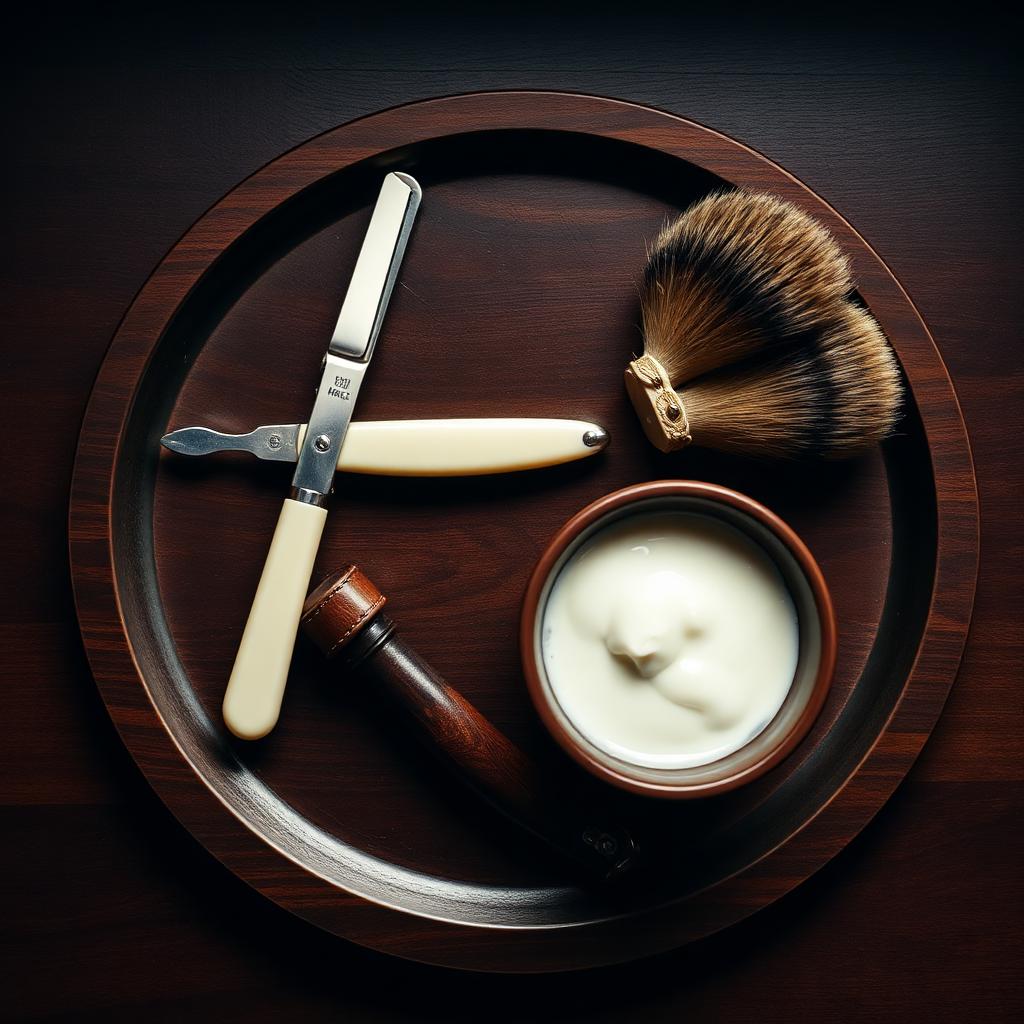
The best straight razor kits pair a fully honed high-carbon-steel blade with a two-sided leather-and-canvas strop, a badger shaving brush, hard triple-milled shaving soap, and a wooden lather bowl. For a first-time buyer, a replaceable-blade shavette kit gives you 90 percent of the experience without the sharpening curve.
Do not buy a $30 no-name straight razor. They ship dull, need honing before first use, and hurt more than they help.
Fixed straight razor vs shavette
Traditional fixed blade
Forged high-carbon or stainless steel, permanently attached to the scales (handle). Needs stropping before every use and professional honing every 3 to 6 months. Best-in-class shave, lifelong tool, real learning curve.
Shavette (replaceable blade)
Looks like a straight razor but loads half of a standard DE blade. When it dulls, you swap the blade. No stropping, no honing. The blade is sharper than a well-honed traditional razor, which is unforgiving but also very effective. Perfect for beginners and travel.
What belongs in a real starter kit
- Razor. Fully honed, "shave ready" if traditional. 5/8 or 6/8 blade width for beginners.
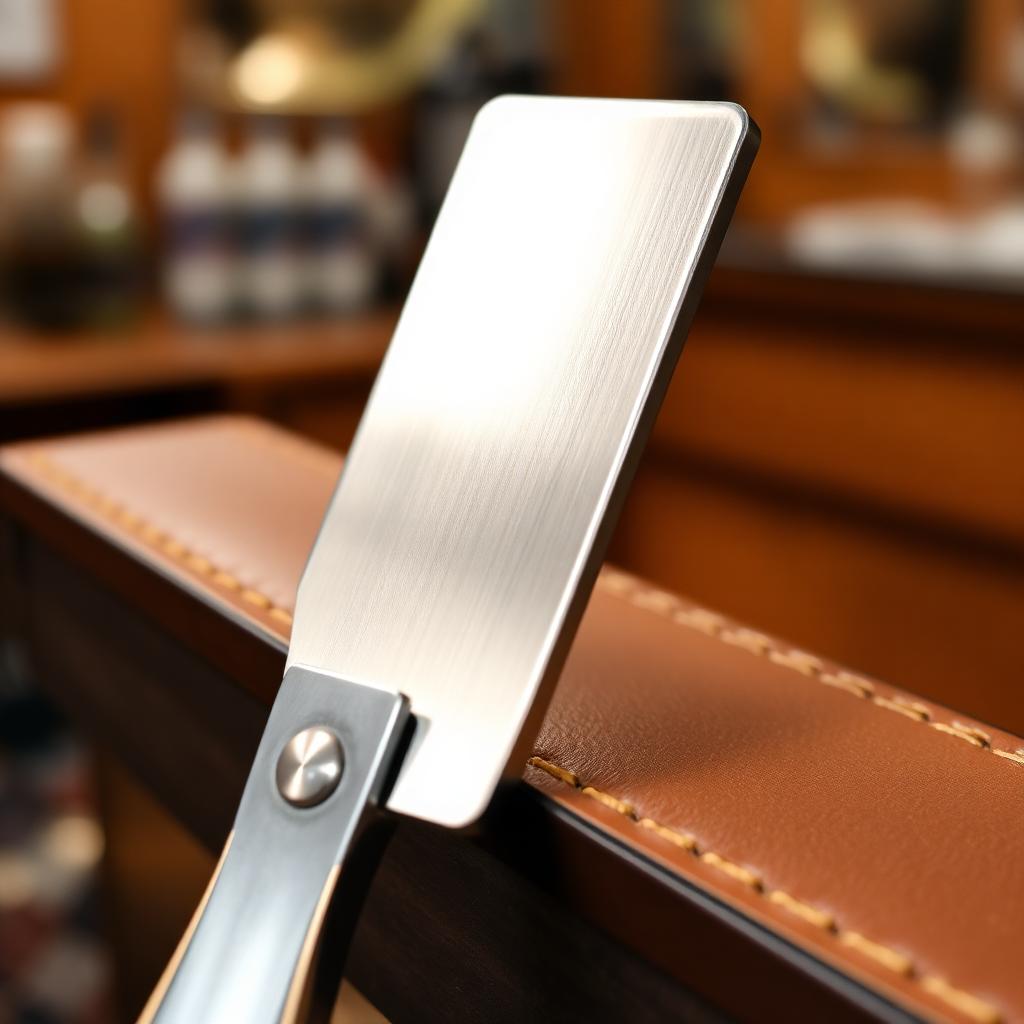
- Strop. Two-sided: canvas or linen on one side (cleans and softens the edge), smooth cowhide leather on the other (realigns the edge).
- Shaving brush. Silvertip badger for the softest feel, or high-end synthetic if animal fibers are not for you.
- Hard shaving soap. Triple-milled tallow or vegetable-based. Lasts 6 to 12 months.
- Lather bowl. Wooden or ceramic. Retains heat, produces thicker lather than working in-palm.
- Alum block (optional but recommended). Stops small nicks and confirms your angle was right.
Blade steel: carbon vs stainless
- High-carbon steel. Takes a sharper edge, holds it longer, but rusts if left wet.
- Stainless. More forgiving of poor drying, slightly harder to hone to the same edge.
Both are fine. Carbon is the classic choice if you promise to towel-dry the blade after every shave.
How to shave with a straight razor (first time)
- Strop before you touch skin. 30 passes on canvas, 60 on leather. Consistent angle, blade dragged spine-first.
- Prep. Hot towel on the face for 2 minutes. Face and beard soften significantly.
- Lather. Rich brush lather with hard soap. Small circles.
- Grip. Three fingers on the shank, thumb underneath, pinky on the tang. Not the scales.
- Angle. 30 degrees between blade and skin. Spine of the blade about a spine's width off the skin.
- Skin pulled tight. With your free hand. Every stroke.
- Short strokes, with the grain, no pressure. One to two inches at a time.
- Rinse the blade often. A blade clogged with lather pulls hair.
- Cold rinse, alum block, balm. The alum stings a fraction of a second if your angle was wrong. That is the feedback loop.
- Towel dry the blade fully. Water is the only real enemy of carbon steel.
Care and honing
- Strop before every shave. Never skip.
- Fully dry the blade before storing.
- Send the razor for professional honing every 3 to 6 months at first, less often once you can strop consistently.
- Store scales open, blade dry, out of the bathroom (humidity dulls the edge).
Bottom line
A great straight razor kit ships shave-ready with a leather-canvas strop, a badger brush, a hard soap and a bowl. Start with a 5/8 blade or a shavette while you learn. Strop religiously, dry the blade every time, and you have a tool that outlives most cars.