Quick Answer
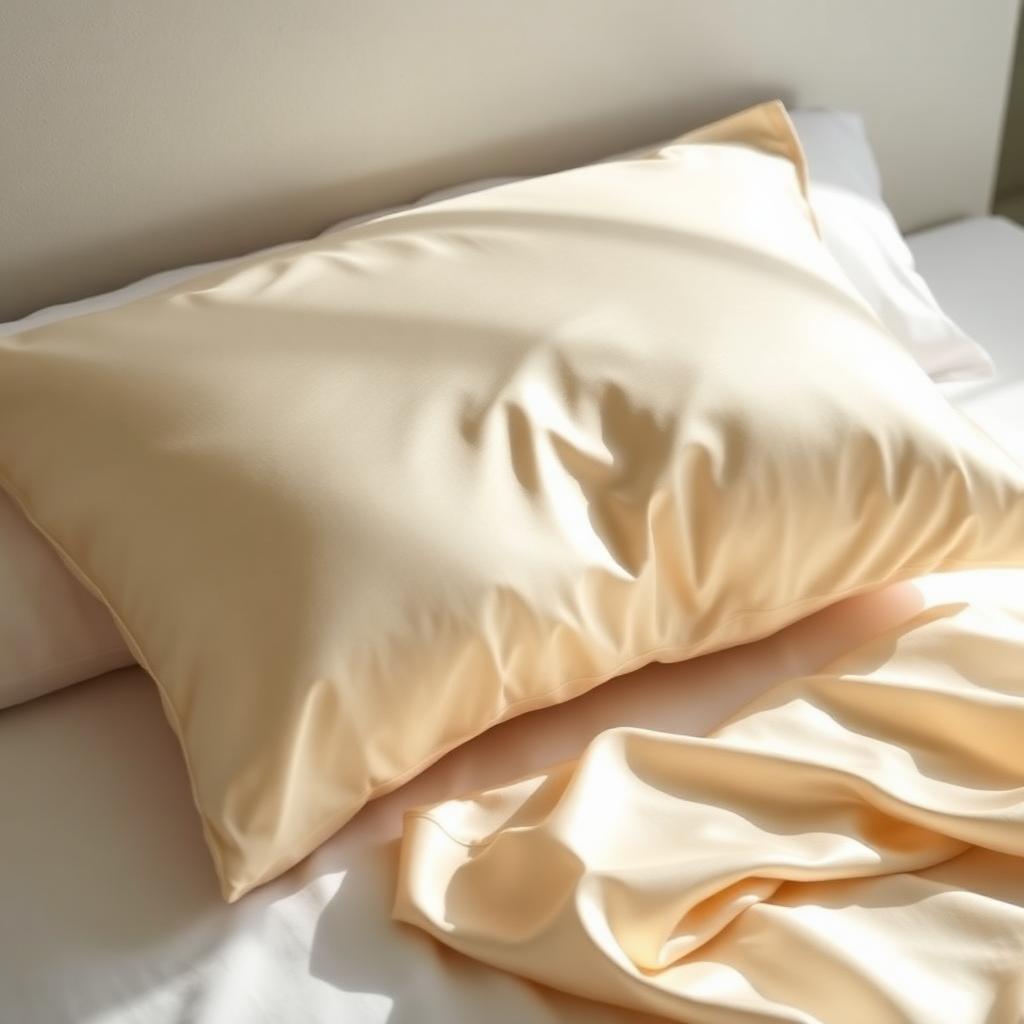
The best silk pillowcase for hair health is 100% pure Grade 6A mulberry silk, 22 momme weight, with a hidden zipper closure. Slip Silk Pillowcase, Blissy 100% Mulberry Silk, and Fishers Finery 25 Momme are the three most-rebought options. Avoid satin, polyester, or any pillowcase that just labels itself silky.
Silk cuts overnight friction that snaps hair mid-shaft and preserves the moisture your leave-in conditioner is trying to hold in. A cotton pillowcase does the opposite: it drinks moisture and drags rough fibers across your cuticle every time you turn.
Why cotton is the hidden culprit
Cotton is spun from short absorbent plant fibers with a rough surface at the microscopic level. Under friction, those fibers scrape hair cuticles open the way sandpaper roughens paint. Every night, you turn your head roughly 40 to 60 times. Multiply that by 365 nights and the mid-shaft breakage adds up.
Cotton is also hydrophilic. It draws the moisture out of your hair (and the hyaluronic acid off your face). By morning your ends are drier, your fringe is frizzier, and your night cream is on the pillow instead of on your skin.
The four specs that actually matter
1. 100% pure mulberry silk (Grade 6A)
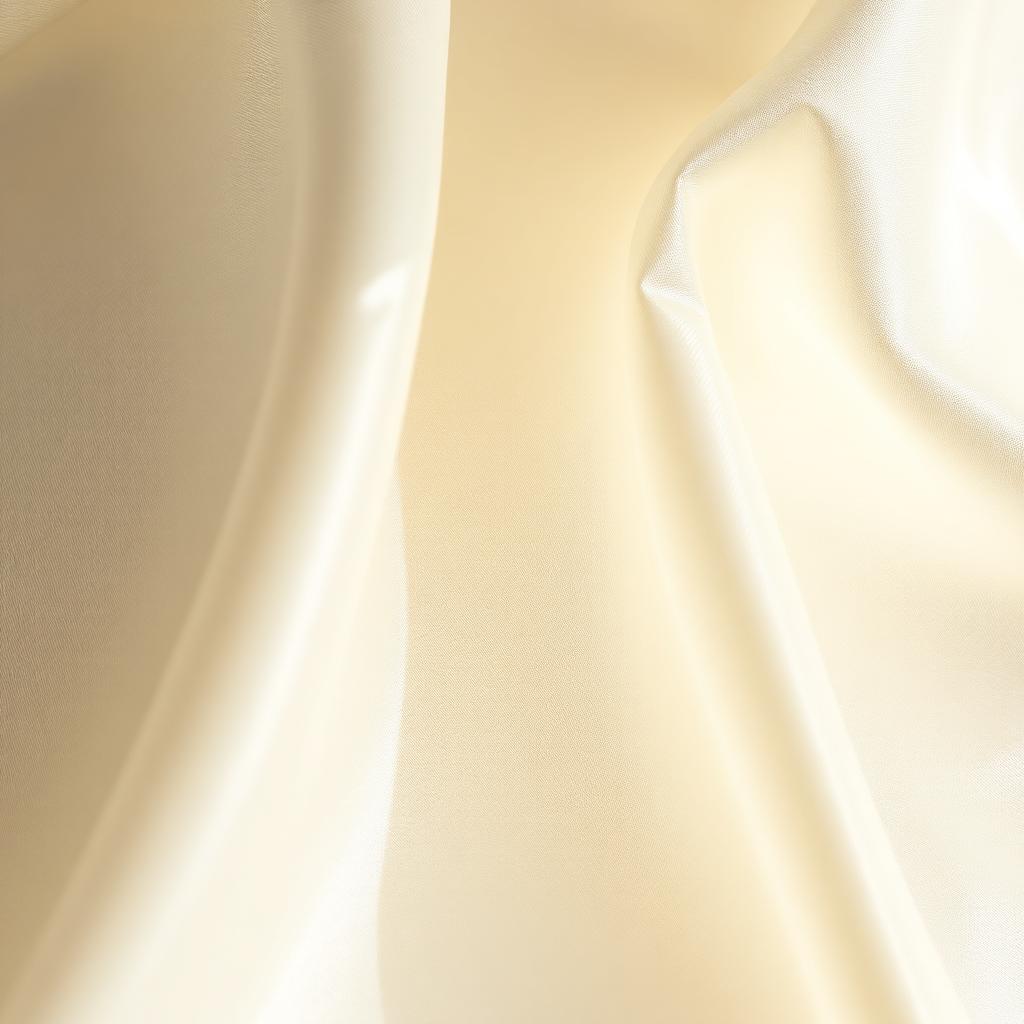
Mulberry silk comes from silkworms fed exclusively on mulberry leaves. The resulting fibers are longer, more uniform, and stronger than wild silk. Grade 6A is the top quality tier, indicating fibers 20 to 30 cm long with the fewest defects. Anything labeled silk without a mulberry or grade claim is almost always a blend or synthetic satin.
2. 22 momme weight
Momme (pronounced mummy) is the traditional density unit for silk, similar to thread count for cotton. Lower than 19 momme feels thin and tears at the seams. Higher than 25 momme is dense and hot to sleep on. 22 momme is the balance of softness, breathability, and durability that most brands settle on.
3. Hidden zipper closure
Silk is slick. An envelope closure slips off the pillow within a night or two. A hidden zipper keeps the case where it belongs and does not scratch your face.
4. OEKO-TEX Standard 100 certification
This certifies that the silk and its dyes were tested for harmful chemicals. Cheap unregulated dyes can rub off onto skin and hair. Look for the certification on the tag or product page.
What a silk pillowcase actually does
- Cuts mechanical breakage. Hair glides across silk instead of catching. Users report noticeably less shedding on the pillow within a week.
- Keeps moisture in the hair. Silk is hydrophobic. It does not wick out your leave-in.
- Reduces morning frizz caused by cuticle roughening.
- Helps preserve blowouts and braids. Style survives one extra day on average.
- Prevents sleep creases that cotton presses into skin overnight.
What silk cannot do
- Reverse pattern hair loss. It reduces mechanical breakage, not follicular thinning.
- Fix damage that already happened. Split ends still need trimming.
- Replace a proper night routine. If you go to bed with soaking wet or product-heavy hair, silk cannot save it.
How to care for a silk pillowcase
- Wash in cool water (under 30C / 86F). Hot water shrinks and weakens silk protein fibers.
- Use a pH-neutral silk-safe detergent. Regular detergent contains enzymes designed to break down protein stains: your hair, skin, and silk are all protein.
- Hand wash or use a mesh laundry bag on the delicate cycle.
- Skip fabric softener. It coats fibers and dulls the sheen.
- Air dry flat, out of direct sunlight. The dryer will crimp the fibers permanently. Sun bleaches the color.
- Iron on the lowest silk setting only if needed, on the reverse side.
- Wash every 5 to 7 nights. Skin oils build up faster on silk than cotton.
Common mistakes
- Buying satin and thinking it is silk. Satin is a weave, not a fiber. Polyester satin traps heat and does not have silk's protein benefit.
- Skipping the momme spec. A no-momme listing is almost always low-grade silk.
- Machine washing on warm. Kills the sheen in a handful of washes.
- Sleeping on wet hair. Silk still cannot rescue soaking hair from mildew and creasing.
Bottom line
Pick a 100% pure Grade 6A mulberry silk pillowcase at 22 momme with a hidden zipper and OEKO-TEX certification. Wash it every week on cold with a pH-neutral detergent and air dry it out of the sun. Slip, Blissy, and Fishers Finery are the three brands most owners come back to. Expect visibly less breakage on your pillow within a week and softer, less frizzy morning hair from the first night.