Quick Answer
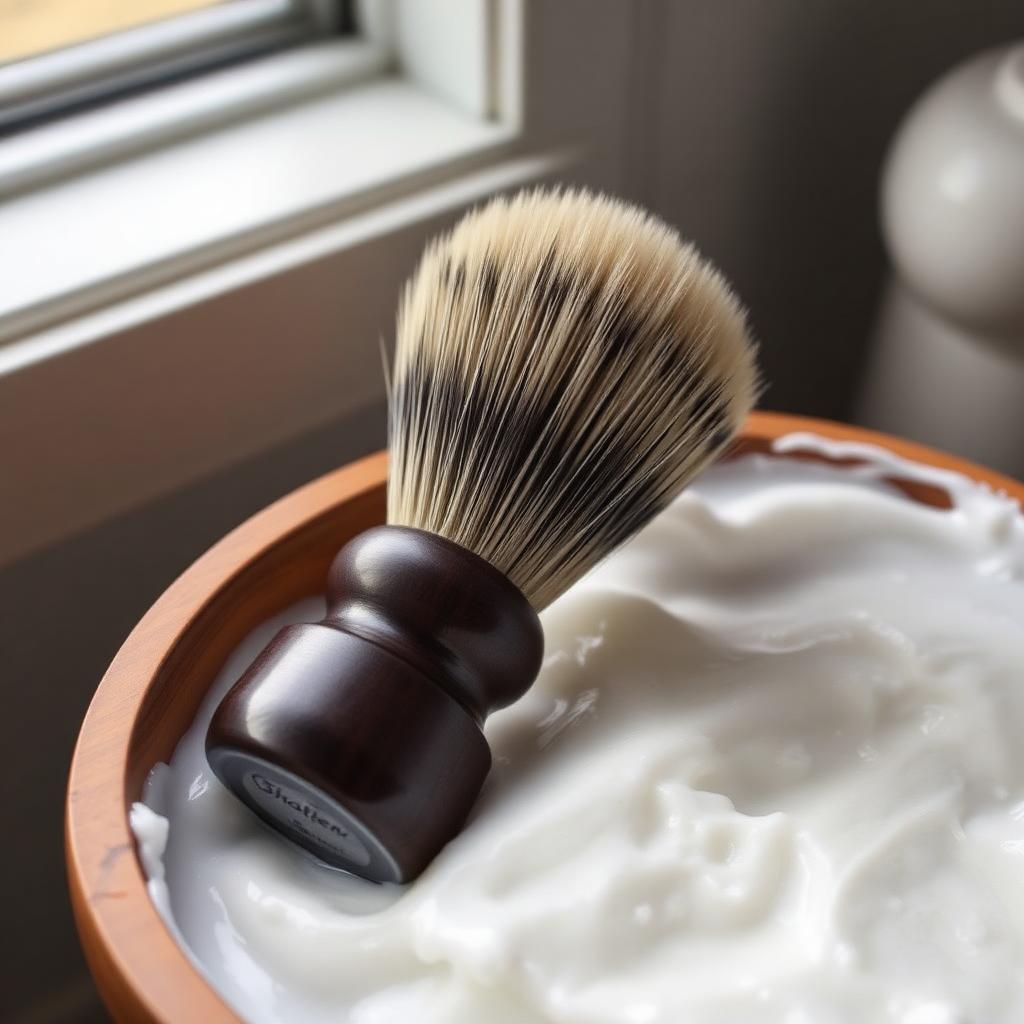
The best shaving brush for building a lather has a 22 to 24mm knot diameter, 50 to 55mm loft, and either silvertip badger hair or high-end synthetic fibre. Boar bristle is excellent for hard shaving soaps once broken in over the first month.
Do not buy the cheap $10 brush that comes bundled with drugstore shave sets. It is almost always dyed nylon that sheds after five uses and cannot hold a proper lather.
Why the brush matters more than the soap
Applying shaving cream with your hands coats the outside of your whiskers. A good brush does three jobs a hand cannot: it whips water and soap into a dense, air-cushioned lather; it stands the hair up off the skin so the razor cuts cleanly; and it exfoliates dead cells so shaving does not clog pores.
The brush is also the piece of the shave that changes least often. A quality brush lasts 10 to 15 years. Blades and soap get replaced monthly.
Knot materials, ranked
Silvertip badger (best)
Cut from the neck. Soft cream tips, huge water capacity, warm feel on the skin. The gold standard. Expensive but lifelong.
Two-band and best badger (very good)
Slightly stiffer, more scrub. Some shavers prefer these on hard soaps.
Pure badger (entry-level badger)
Stiffer, coarser, less water retention. Fine for a beginner.
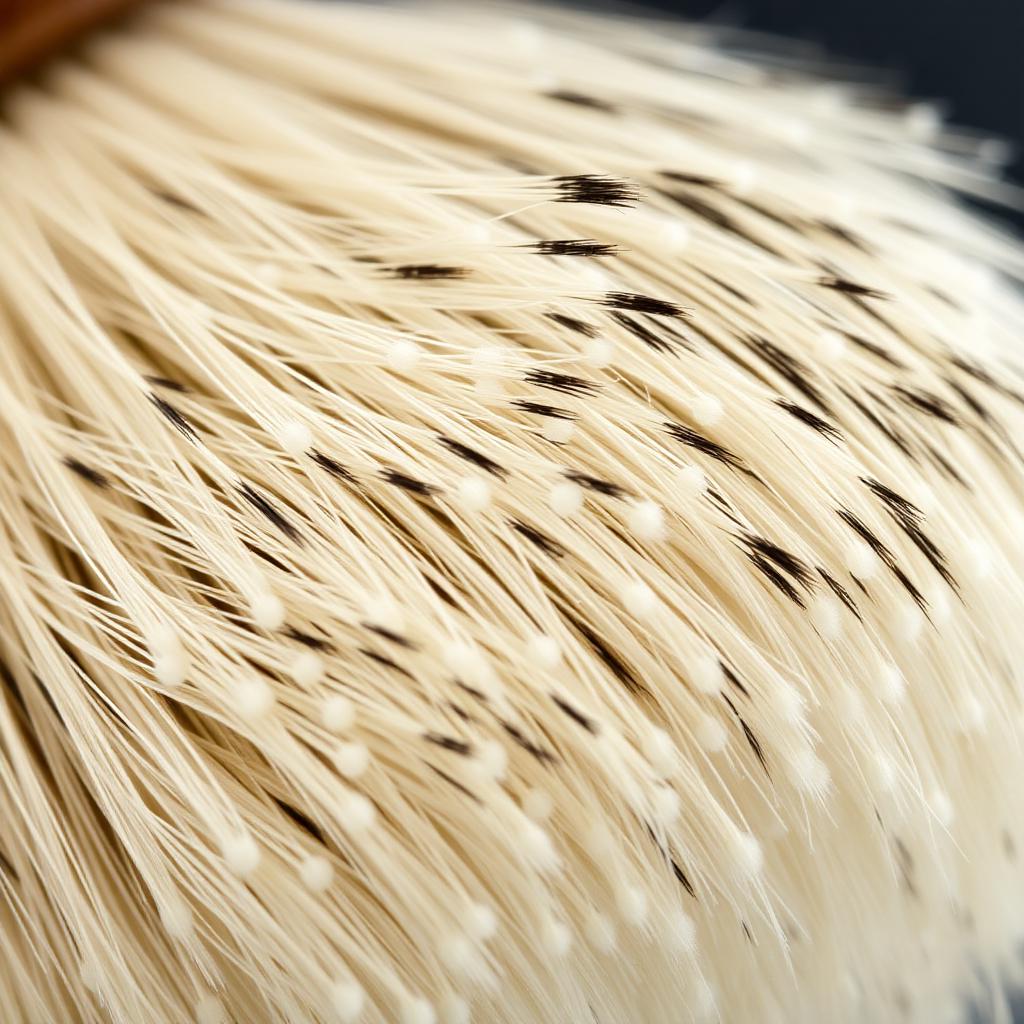
Boar bristle (excellent value)
Stiffer than any badger out of the box. First few weeks, tips are prickly. After 20+ uses they split into finer branches and soften dramatically while retaining backbone. Perfect for hard triple-milled soaps.
Synthetic (modern favorite)
Latest generation synthetics (Plisson G4, Tuxedo, Cashmere) match or exceed badger softness and water release. Dry in half the time. Animal-free. Cheaper. Many shavers now prefer them.
Sizing specs
- Knot diameter. 22 to 24mm is the sweet spot. Under 20mm holds too little lather for a three-pass shave; over 26mm feels floppy.
- Loft. The height of the bristle above the handle. 50 to 55mm is the classic balance. Lower loft (45mm) means more backbone; higher (60mm) means softer feel.
- Handle weight. Look for solid resin, olive wood, or turned aluminium. Balanced hand feel matters when your hand is wet.
How to build a great lather
- Soak the brush knot down in warm (not hot) water for 30 seconds.
- Shake gently so tips are damp not dripping.
- Load the soap. Swirl the brush firmly on the soap puck for 20 to 40 seconds until you see a proto-lather in the knot.
- Move to a bowl or your face. Add half a teaspoon of water at a time while whipping in small circles.
- Look for peaks like yogurt. The lather should stand in soft peaks that do not collapse. If it looks like beer foam, you have too much air; add water.
Care
- Rinse thoroughly after every use.
- Shake out water, gently squeeze from the base upward.
- Hang bristles-down (on a brush stand) so water leaves the knot.
- Never store in a closed drawer while wet. Rot at the knot base kills brushes early.
Bottom line
A great shaving brush is 22 to 24mm at the knot, 50 to 55mm at the loft, and made from silvertip badger, best-grade synthetic, or well-broken-in boar. Match it to a hard shaving soap, keep it dry between uses, and it lasts a decade. There is no other $50 shave upgrade with a bigger payoff.