Quick Answer
The Owala FreeSip 32 oz is the best reusable water bottle for daily use. Its patented FreeSip spout lets you sip through an internal straw or chug through a wide opening on the same lid, a spring-loaded cover keeps the mouthpiece clean in a bag, and the vacuum-insulated 18/8 stainless walls hold ice for a full 24 hours.
For rugged outdoor use, the Yeti Rambler 26 oz Chug Bottle is nearly indestructible. For a lighter classic thermal bottle with a flex straw, the Hydro Flask Wide Mouth with Flex Straw is the pick. For hands-free hiking, the CamelBak Eddy+ Vacuum uses a bite-valve straw.
Why a good reusable bottle matters
Single-use plastic bottles are a slow-motion cost problem (roughly $500 a year at a bottle-a-day pace), an environmental problem (500 years to break down), and a chemistry problem: heat in a car interior accelerates leaching of phthalates and BPA analogs from PET plastic. A vacuum-insulated stainless steel bottle solves all three at once and keeps water genuinely cold in the sun.
What actually matters
Double-wall vacuum insulation
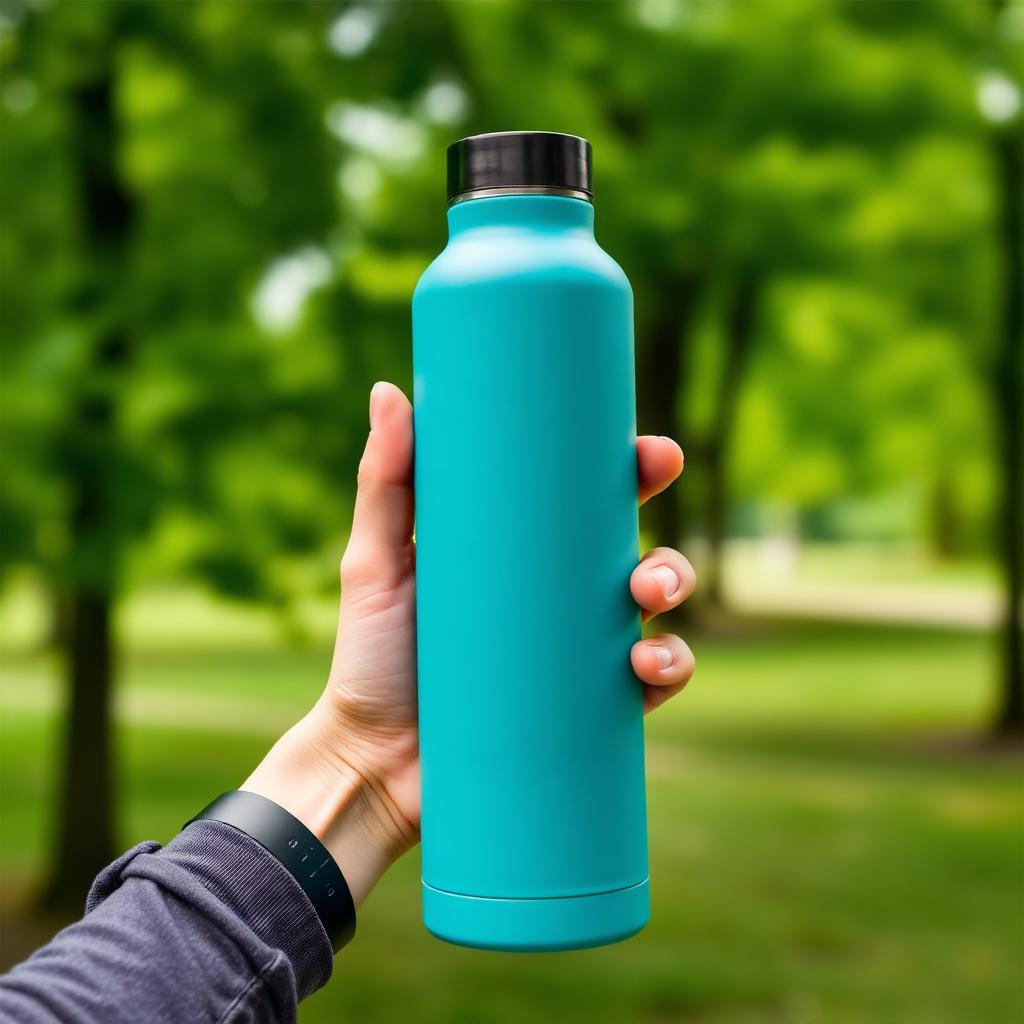
Two walls of 18/8 stainless steel with the air evacuated between them. That vacuum gap is what blocks heat transfer, so ice water stays cold for 24 hours and hot coffee stays hot for 12. If a bottle does not explicitly say "double-wall vacuum insulated," it will not perform.
Passivated stainless (no metallic taste)
New stainless bottles that taste like a penny were skipped in the passivation step, where the interior is bathed in a mild acid to lock in a chromium-oxide layer that stops iron from leaching. Every serious brand (Owala, Hydro Flask, Yeti, CamelBak) passivates as standard. Cheap unbranded bottles often do not.
Lid design
This is where bottles win or lose. A wide chug cap is good for gulping mid-run, a straw is good for sipping while typing at a desk, and a bite-valve is good for hiking without breaking stride. Owala's insight was to combine sip and chug in one lid so you never have to choose.
Size and cup-holder fit
32 oz is the sweet spot for a day of hydration without refilling. Check the base diameter (Owala FreeSip 32 fits standard car cup holders; larger Hydro Flask 40 oz does not).
Best overall: Owala FreeSip 32 oz
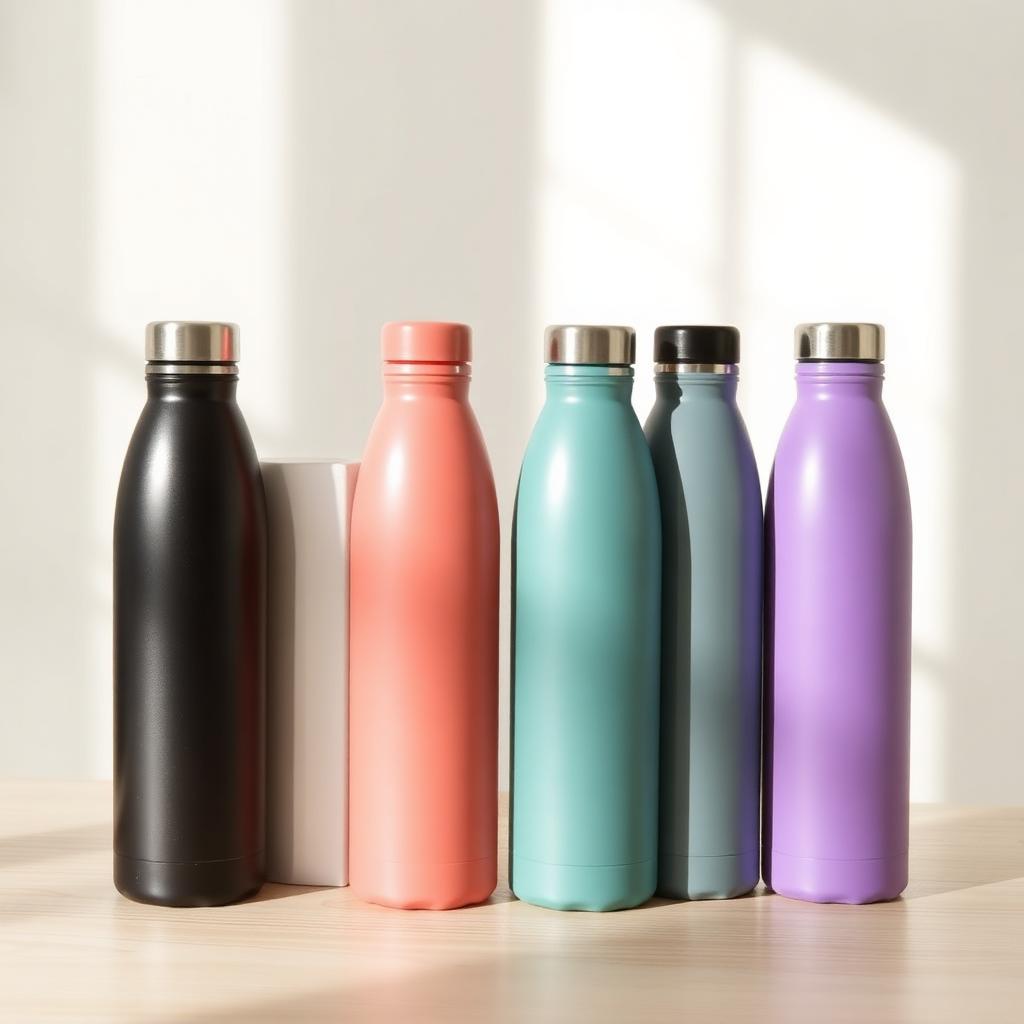
The FreeSip lid is the reason to buy. A push-button flip cover exposes a wide chug opening with a built-in straw inside it, so tilting the bottle chugs water and holding it upright sips through the straw. The cover snaps closed with a satisfying click and locks so it will not open in a backpack. 24-hour cold retention, 12-hour hot retention, dozens of matte powder-coat colors, and a carry loop that doubles as the safety lock.
Best rugged: Yeti Rambler 26 oz Chug Bottle
The Rambler is what to buy if you drop your bottles a lot, work outdoors, or need one that will still be usable in 10 years. Thick 18/8 steel resists dents that would crack the vacuum seal on thinner bottles, DuraCoat powder coating shrugs off scratches, and the TripleHaul chug cap is a heavy-threaded design that will not leak in a truck bed. It is heavier than most bottles this size, but it will outlast three of anything else.
Best classic thermal: Hydro Flask Wide Mouth (Flex Straw)
Hydro Flask basically created this category, and their Wide Mouth with the Flex Straw Cap is the most versatile of their lineup. The straw cap is best for daily desk use, but the wide mouth swaps in for cleaning, adding ice, or pouring in electrolyte mix. Color Last powder coat is dishwasher-safe (a rarity in this category, most bottles are hand-wash only).
Best for hiking and cycling: CamelBak Eddy+ Vacuum
The bite-valve straw is CamelBak's signature. You lift the bottle, bite down, and drink without breaking stride. The vacuum-insulated Eddy+ upgraded the original Eddy with 24-hour cold retention. Best-in-class for trail runs and long rides where you cannot look at a bottle to line up a chug.
How to actually clean a straw bottle
Straws and gasket rings are where mold grows. Once a week:
- Fully disassemble the lid: pop out the silicone gasket ring, pull out the straw, remove the mouthpiece if it detaches.
- Soak all parts in warm water with 2 tablespoons of distilled white vinegar for 30 minutes. Vinegar kills the mold and dissolves any biofilm that soap alone will not lift.
- Scrub the straw with a straw brush (they come in a $5 multi-pack on Amazon). This step is what most people skip and it is what turns a clean-looking bottle into a science experiment.
- Rinse everything, air-dry upside down on a bottle rack overnight.
Never wash a stainless bottle with chlorine bleach. Bleach chemically attacks the passivated chromium layer inside the bottle, which is what triggers rust pitting and the metallic taste people blame on the bottle brand.
Dishwasher rules
Most stainless bottles are technically dishwasher-safe on the top rack but the powder coating fades faster with repeated dishwasher cycles. Yeti and Hydro Flask advertise dishwasher-safe coatings; Owala officially recommends hand-wash only for the exterior even though the interior and lid are dishwasher-safe. If you like your color, hand-wash the outside.
Bottom line
The Owala FreeSip 32 oz is the daily driver. Grab the Yeti Rambler if you need armor, the Hydro Flask Wide Mouth if you want swappable lids and dishwasher-safe convenience, and the CamelBak Eddy+ if you drink while moving. Vinegar-soak the straw every week and never use bleach.