Quick Answer
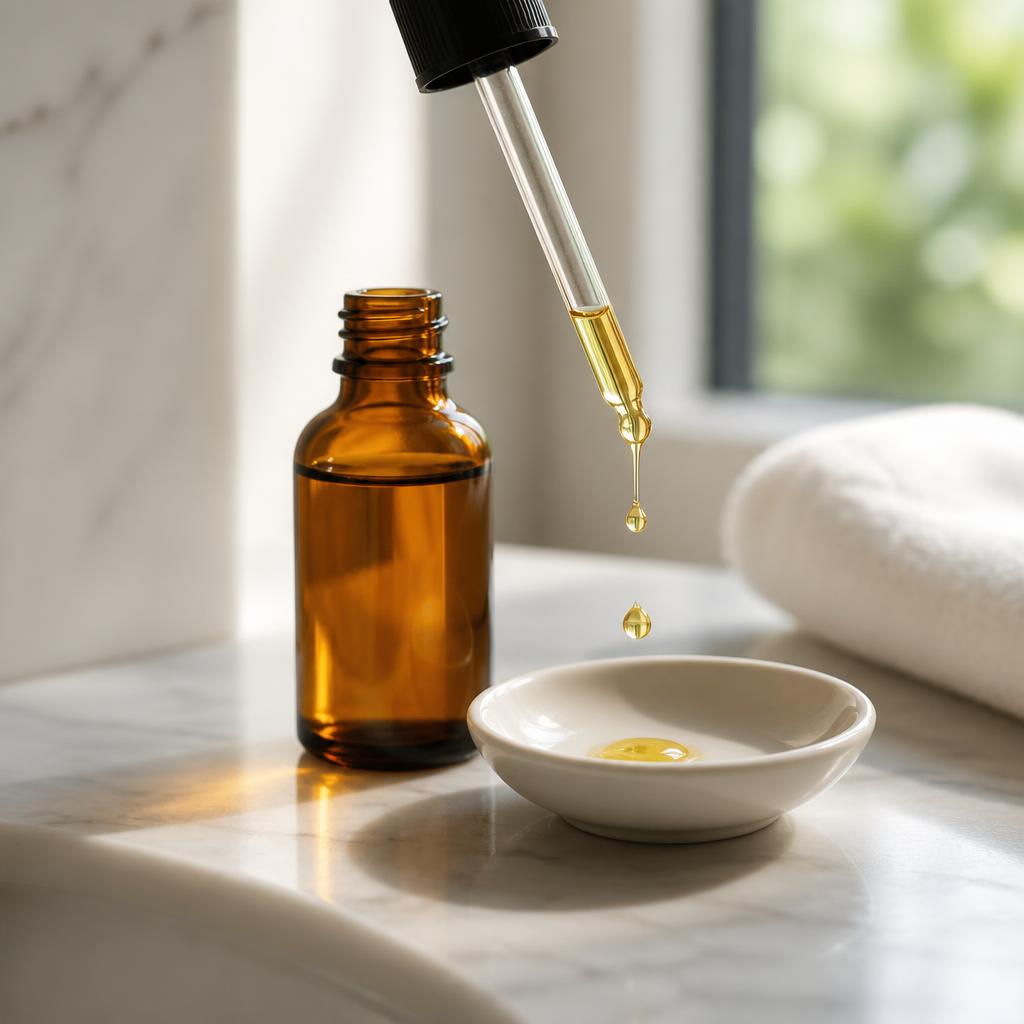
The best pre-shave oil for coarse hair is a blend of castor seed oil, olive oil, and jojoba, with a small amount of lavender or tea tree for a mild antiseptic finish. Castor stays slick throughout a three-pass shave. Olive and jojoba penetrate the hair cuticle and soften the rigid keratin so the blade slices cleanly.
Avoid pre-shave products built on mineral oil or heavy silicones (dimethicone). They coat the razor blade and dull it fast, and they clog pores.
Why coarse hair drags the razor
Coarse facial hair is roughly 1.5 to 2 times the diameter of scalp hair, with a rigid outer cuticle. A razor moving through untreated coarse stubble spends more energy pushing the hair aside than cutting it, which creates friction on the skin. That is why afro-textured beards and Mediterranean beards are so much harder on skin than fine hair.
Pre-shave oil solves two problems at once. It softens the hair fiber before the blade arrives, and it creates a lipid layer between the razor and the skin so the blade glides.
Ingredients that actually work
Castor seed oil (Ricinus communis)
Thick and viscous. High ricinoleic acid content keeps it on the face through three shaving passes. The MVP.
Olive fruit oil
Rich in oleic acid and vitamin E. Penetrates the hair cuticle and softens the fibre. Cheap, effective, well tolerated by most skin.
Jojoba oil
Chemically similar to human sebum, absorbs well, non-comedogenic. Balances the heavier oils.
Sweet almond oil
Light, hypoallergenic. Great for reducing sensitivity if you have a mild irritation problem. Skip if you have a nut allergy.
Lavender or tea tree essential oil (1% max)
Adds mild antiseptic effect and a scent. Higher concentrations can sting freshly shaved skin.
Ingredients to avoid
- Mineral oil (Paraffinum liquidum). Sits on the skin instead of penetrating hair. Coats the blade.
- Dimethicone, cyclomethicone, other heavy silicones. Feel slick, gum up the razor.
- Synthetic fragrance (Parfum). Common irritant on freshly-shaved skin.
- Menthol above 1 to 2%. Cooling gimmick that stings if you nick.
Step-by-step application
- Warm rinse. Wash the face with warm water or press a warm damp towel to the beard for 60 seconds. Leave the skin damp.
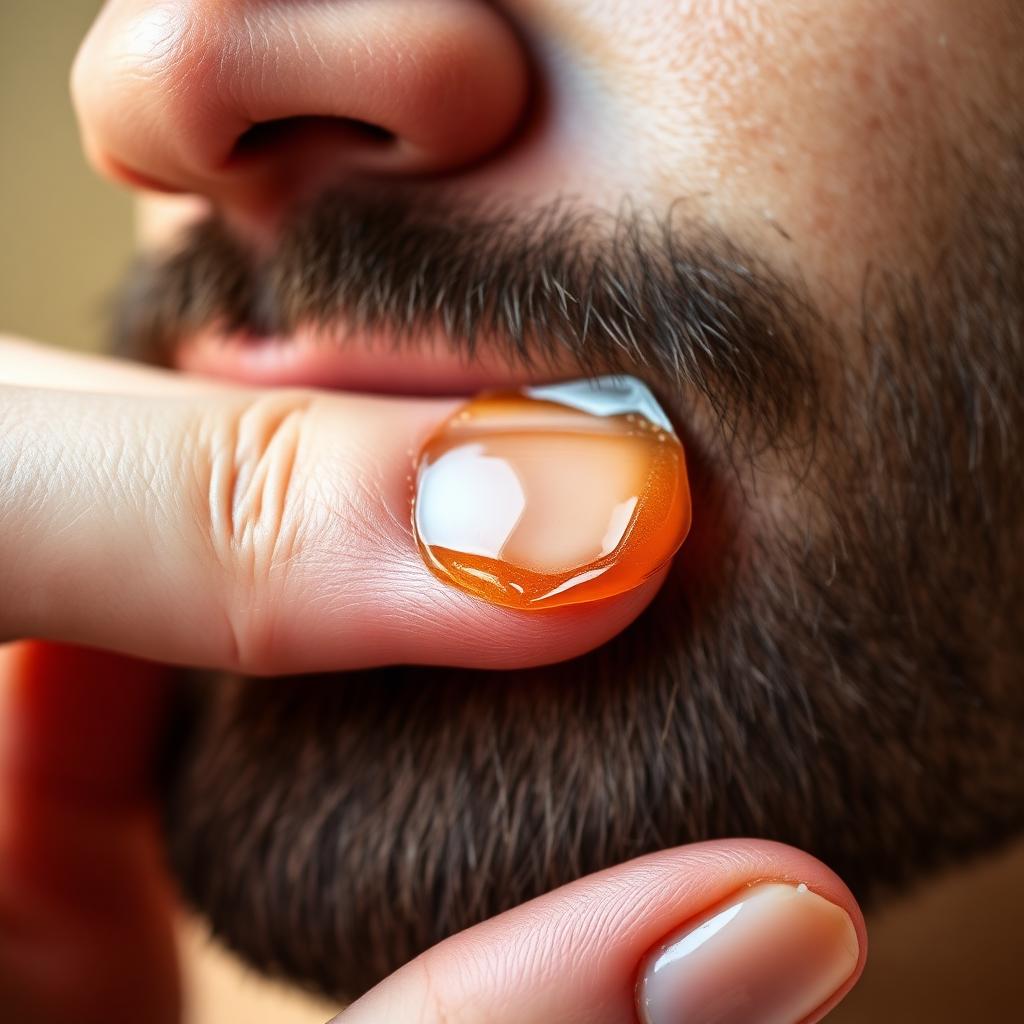
- 3 to 5 drops in the palm. Rub palms together to warm the oil.
- Massage into stubble. Work down to the skin, not just over the top of the hair. Focus on coarse zones: chin, neck, jawline.
- Do not rinse. Apply shaving cream or brush-built lather directly over the oil.
- Shave as usual. Notice the reduced tug on the first pass.
- Rinse and finish. Cold rinse, alcohol-free balm.
Common mistakes
- Too much oil. More than 5 drops floods the razor and the lather.
- Applying to dry skin. Damp skin drinks the oil in; dry skin lets it pool on top.
- Skipping the lather. Pre-shave oil is not a substitute for shaving cream. It goes underneath.
- Storing near heat. Cold-pressed oils oxidise faster near a hot bathroom radiator. Keep the bottle in a cabinet.
How long a bottle lasts
A 1 oz (30 ml) bottle at 4 drops per shave, five shaves a week, lasts about 3 to 4 months. Refrigerate if you buy in bulk.
Bottom line
A pre-shave oil for coarse hair should be castor-plus-olive-plus-jojoba, fragrance-light, and free of mineral oil and heavy silicones. Warm 3 to 5 drops, massage into damp stubble, and lather straight over. A $15 bottle solves 80 percent of coarse-beard shaving pain.