Quick Answer
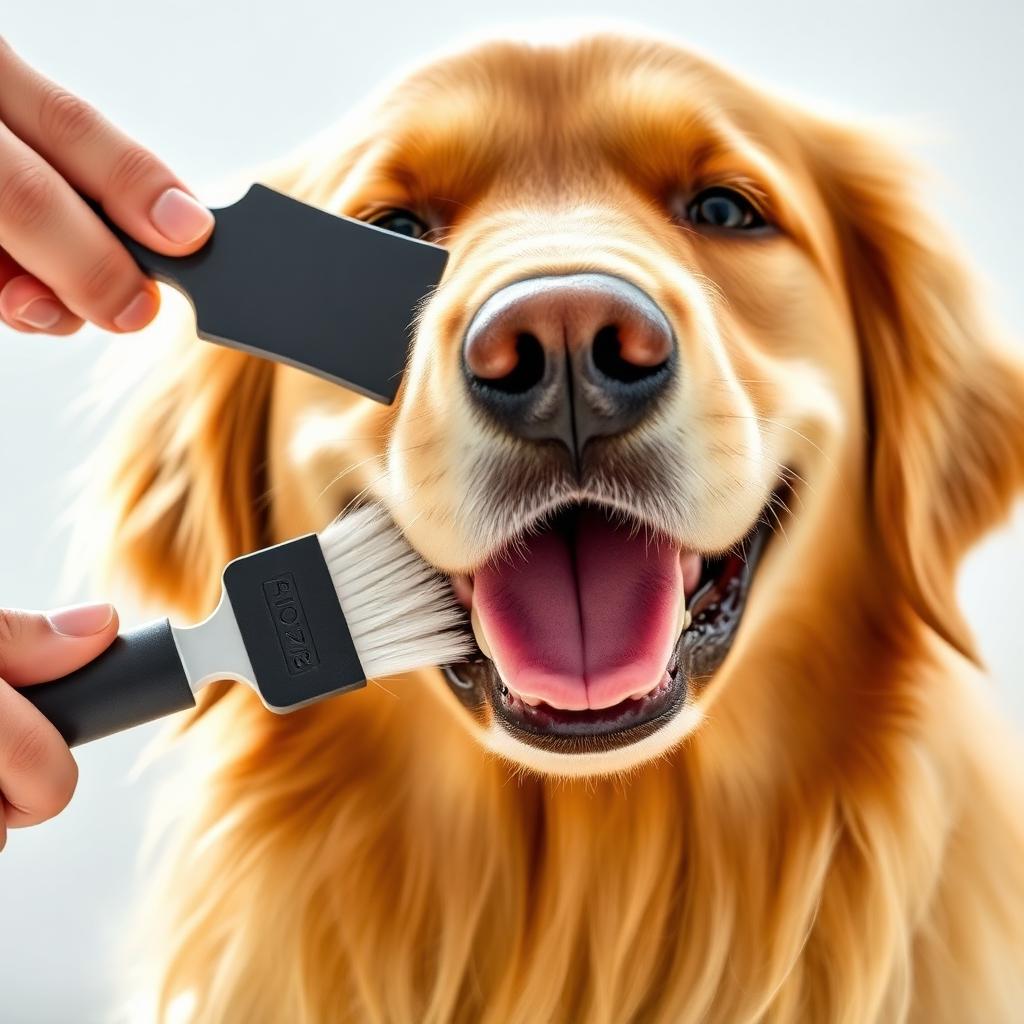
The FURminator Undercoat Deshedding Tool is the best de-shedding brush for dogs. Its stainless steel edge reaches through the topcoat and lifts loose undercoat cleanly, a skin guard rides along the body so the teeth do not scrape, and the FURejector button ejects trapped hair in one press. Pick the size and coat-length variant that matches your dog: short-hair for Labs and Beagles, long-hair for Goldens and Aussies.
For long silky coats that mat as much as they shed, the Chris Christensen Big K Slicker is the pick. For short single-coated breeds like Pugs, Boxers and Frenchies, the Kong ZoomGroom rubber curry pulls hair with static and friction without any risk of nicking skin. Every deshed session finishes with a steel Greyhound comb to catch what the brush missed.
Why the brush has to match the coat, not the dog
Dogs fall into two structural coat groups and the wrong brush across those groups either does nothing or hurts. Double-coated breeds (Golden Retriever, German Shepherd, Husky, Lab, Aussie) carry a coarse guard-hair topcoat over a soft insulating undercoat. Shedding is the undercoat detaching, and it needs a bladed or fine-toothed tool that reaches under the guard hairs. Single-coated breeds (Poodle, Yorkie, Shih Tzu, Bichon, Maltese) have no undercoat at all; using an undercoat rake on them scrapes the skin and cuts the topcoat.
What actually matters in a deshedding brush
Blade or pin, chosen for coat structure
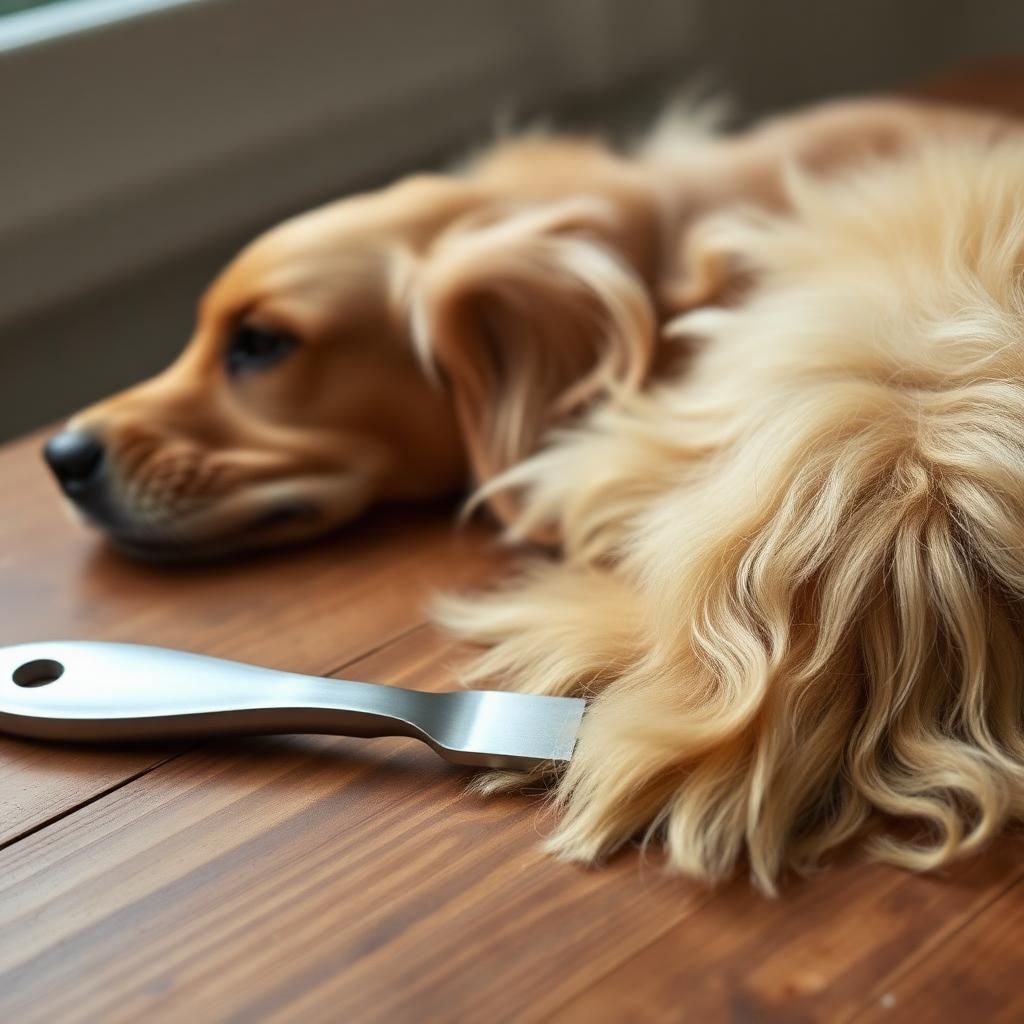
A fine stainless steel blade (FURminator style) is unmatched on dense double coats because it hooks the springy undercoat while sliding over the guard hairs. Flexible wire pins (slicker brush) are better on long, wavy or curly coats where a blade would rip out topcoat. Rubber nubs (curry brush) are the only safe choice on short, tight single coats.
Skin protection
Every reputable modern undercoat tool has some form of skin guard: a curved base plate, rounded tooth tips, or a fixed guide edge that prevents the blade from touching the epidermis. If your tool draws pink lines on the skin after a session, it is either too aggressive for the breed or you are pressing too hard.
Ergonomic handle
You will hold the tool for 20 to 45 minutes on a heavy shedder. A rubberized non-slip grip prevents wrist fatigue and stops the brush from twisting when your dog moves.
Blade cleanout
A clogged blade catches nothing. A one-button ejector (like the FURejector) or a retractable pin bed (like most self-cleaning slickers) turns hair removal from a two-hand job into a one-second reset.
Best overall: FURminator Undercoat Deshedding Tool
The FURminator is the tool that created this category. Choose the variant that matches your dog: short-hair versions have a shorter tooth height and are correct for Labs, Beagles and Boxers; long-hair versions have a taller tooth stack for reaching through Golden Retriever and Australian Shepherd coats. Sizing (small, medium, large) controls the width of the blade, not the depth. The FURejector button pops the trapped hair off in one press, which matters more than it sounds on a Husky in May.
Best for long silky and wavy coats: Chris Christensen Big K Slicker
Long-coated breeds like Rough Collies, Bernese Mountain Dogs and Aussies mat as much as they shed. A slicker with flexible long pins reaches deep into the coat, lifts loose hair, and works through minor tangles without ripping healthy topcoat. Chris Christensen's Big K is the show-groomer default because the pins are hand-set and flex under pressure.
Best for short single coats: Kong ZoomGroom
Boxers, Pugs, Pit mixes, Dalmatians and French Bulldogs shed constantly but their short guard hairs snap off cleanly. A rubber curry uses static electricity and friction to lift those hairs and doubles as a massage tool that stimulates sebum production. It is safe on any skin and works in the bathtub during shampoo, where the suds carry loose hair down the drain.
Best budget everyday brush: Safari Self-Cleaning Slicker
If you are between coats or own a mixed-breed dog with an unclassifiable jacket, a self-cleaning slicker at under $15 covers 80 percent of household shedding. Press the button, the pins retract, the hair falls off, and you go back to work.
How to deshed a dog safely: a 5-minute routine
Start with your hands. Run them through the coat feeling for lumps, hot spots, ticks, and active scratches. Never brush over irritated skin. If you find mats, break them with your fingers and a dematting rake before touching them with the deshedding tool: a blade snags on a mat and pulls the whole clump against the skin.
Then section the coat. Start at the neck, work along the flanks, and finish at the haunches. Hold the brush loose. Pull it parallel to the body, not down into the body. Three to four passes per patch, no more. Ejecting the collected hair every few strokes doubles removal efficiency.
How often to brush
Once a week is the year-round minimum for any moderate shedder. Bump to three sessions a week during the spring and fall "coat blow" when double-coated dogs drop their seasonal undercoat over four to six weeks. Ten minutes on a Tuesday beats an hour-long emergency session after your dog has left a hair drift under the couch.
Bottom line
The FURminator Undercoat Deshedding Tool is the best deshedding brush for dogs because the blade design, skin guard and one-press hair ejector still beat every knockoff after 15 years on the market. Buy the coat-length and body-size version that actually matches your dog. Add the Chris Christensen Big K for long or wavy coats, the Kong ZoomGroom for short single coats, and finish every session with a Greyhound comb. Never run any deshedding blade over a single-coated breed. Do that and 90 percent of the hair on your couch disappears.