Quick Answer
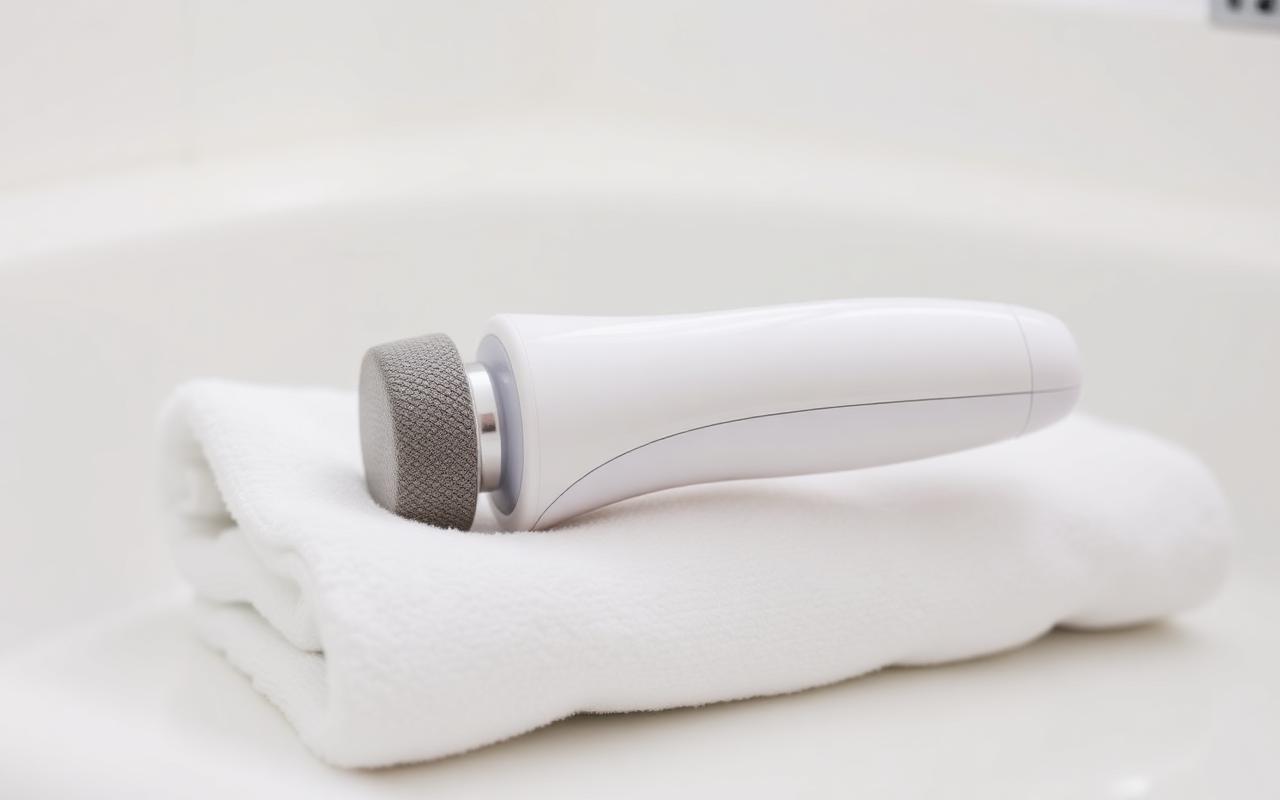
The best callus remover is a cordless electric roller with a high-torque motor, an auto-stop pressure sensor, and interchangeable coarse and fine mineral rollers. Amope Pedi Perfect Wet & Dry Pro, Own Harmony Electric Callus Remover, Emjoi Micro Pedi Power, and Care Me Rechargeable Callus Remover are the four most-rebought models.
Chemical callus-peel gels (glycolic, salicylic, urea) are the second-best option for very stubborn build-up. Both approaches should be paired with daily moisturizer and clean cotton socks overnight to keep the results.
Electric roller vs chemical peel gel
Two mainstream approaches, each with a place. Electric rollers file away hard keratin instantly with a rotating abrasive drum; you see results the same session. Chemical peel gels use glycolic or salicylic acid or high-strength urea to dissolve the intercellular glue holding dead skin cells together, and the callus peels away naturally over 3 to 7 days.
Rollers are best for thick, dry heel calluses. Chemical peels are best for whole-foot uneven build-up, especially around the ball of the foot and the toe pads. Most people end up using a roller weekly and a peel-off treatment every 6 to 8 weeks.
Electric roller specs that actually matter
High-torque motor with auto-stop pressure sensor
Thick calluses can stall a weak motor. Look for a motor that keeps a consistent rpm when pressed against a heel, with an auto-stop that cuts power the moment you press too hard, protecting the healthy skin under the callus.
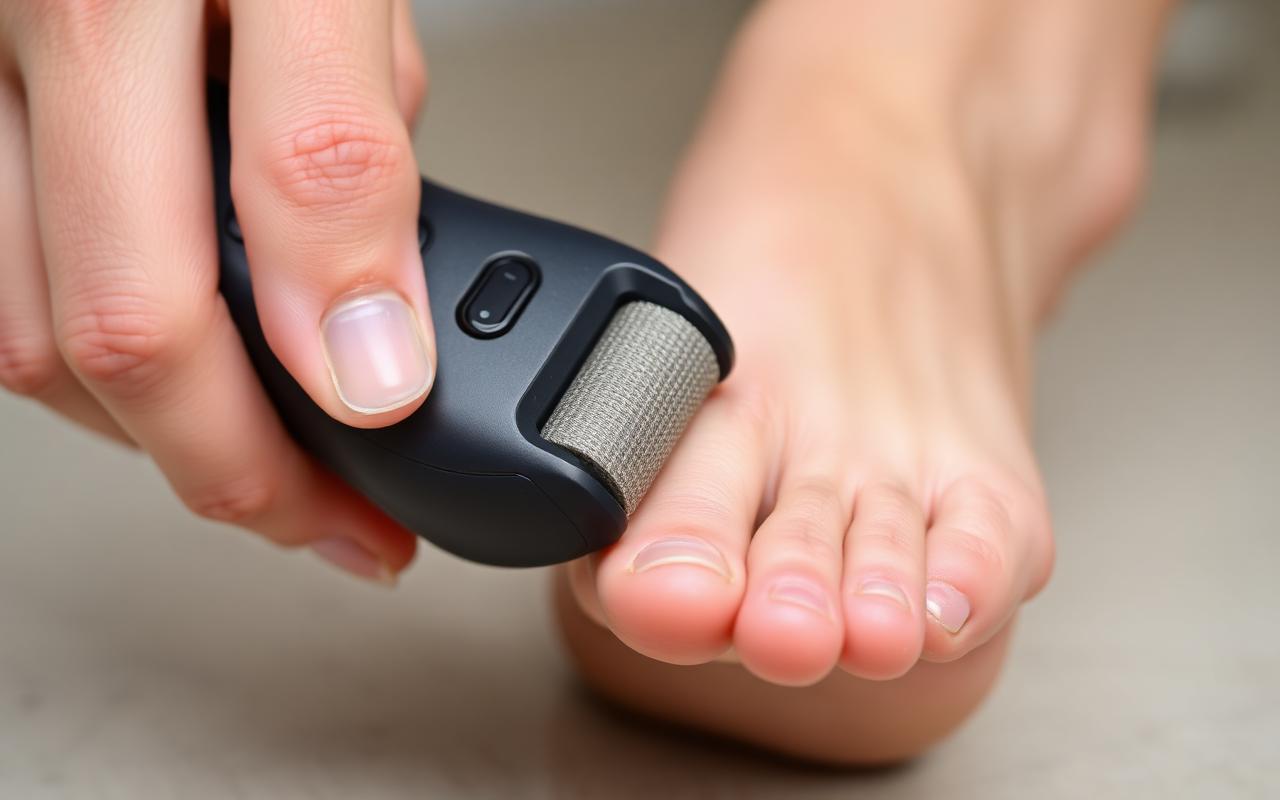
Interchangeable coarse and fine rollers
Coarse rollers (diamond-crystal or mineral grit) file heavy heel build-up. Fine rollers smooth out the softer texture along the arch and toes. Both should be included.
Rechargeable lithium battery core
Cordless is essential to maneuver around the foot comfortably. A lithium-ion battery holds consistent power through a full session; older nickel batteries lose torque as they drain.
Wet/dry rating
Wet-safe rollers can be rinsed clean easily, but the actual filing must be done on dry, softened skin. Filing wet feet with a rotary roller is inefficient and risks tears.
Safe home pedicure routine
- Soak your feet in warm water for 10 to 15 minutes to soften the calluses.
- Dry completely with a clean towel. Wet skin drags on the roller.
- Turn on the coarse roller and place it gently against the callused heel.
- Move slowly in continuous passes, never holding the roller in one spot for more than 2 to 3 seconds. Constant motion prevents heat buildup.
- Switch to the fine roller to smooth the treated area and blend with surrounding skin.
- Rinse the feet with cool water to clear skin dust.
- Apply a thick urea or shea butter foot cream and put on clean cotton socks overnight.
How often to file
Every 5 to 7 days for maintenance. Filing daily removes healthy skin and triggers the body to build even thicker calluses in response. If the callus is deep and cracked, add a weekly urea-15% foot cream and a monthly chemical peel-off treatment for the fastest, safest results.
When to see a podiatrist
- Cracks that bleed or ooze.
- Callus with a black dot in the center (may be a plantar wart).
- Diabetes, poor circulation, or nerve issues in the feet.
- Any callus that returns aggressively within 3 days of filing.
Bottom line
Pick an electric callus remover with a high-torque motor, auto-stop safety, and both coarse and fine rollers. Amope Pedi Perfect is the balanced overall pick; Own Harmony wins on power for very thick heels; Emjoi Micro Pedi is the classic budget star. File weekly on dry, softened skin, keep passes moving, and lock in the results with a urea foot cream and cotton socks overnight.