Quick Answer
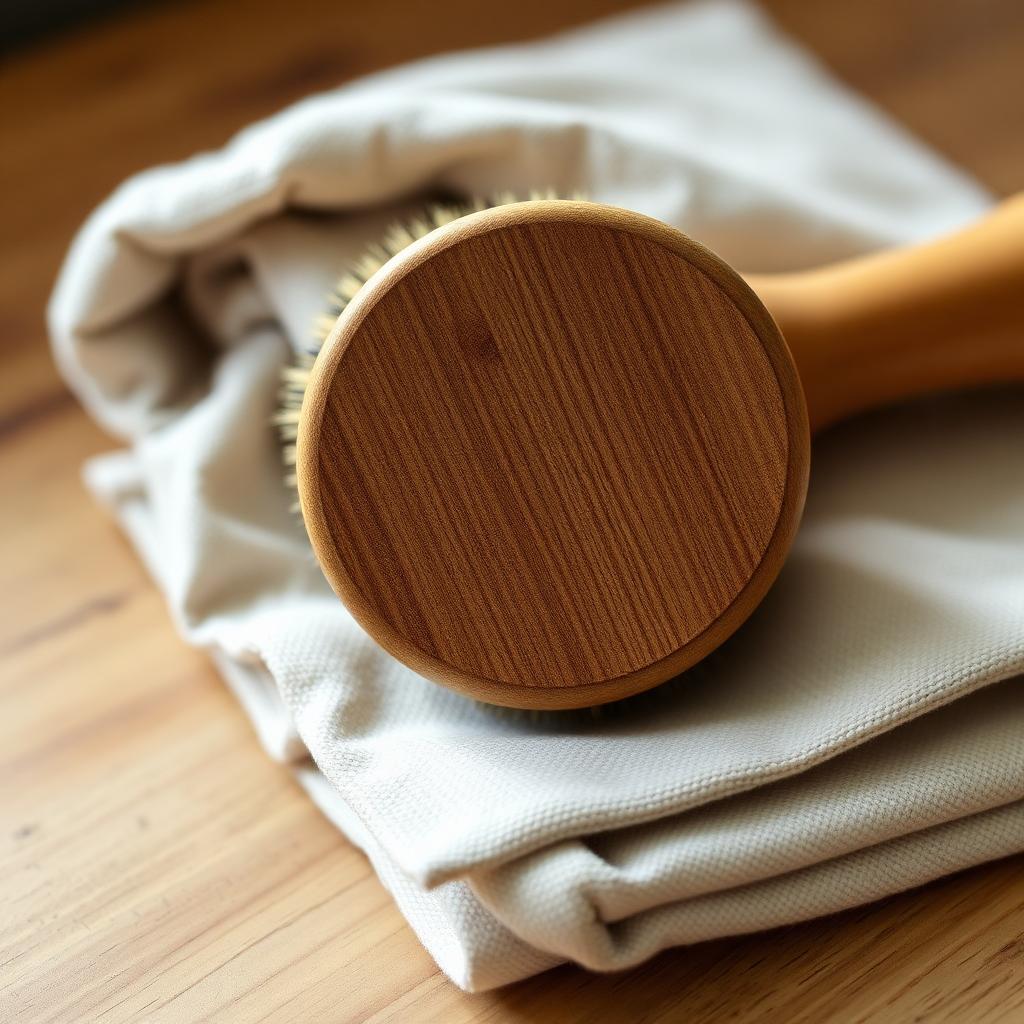
The best boar-bristle brush for beards is 100% first-cut boar bristle set into a solid hardwood handle with generously spaced bristle bundles. Firmness should match beard length: soft for stubble to short, medium for full beards, firm for long or coarse beards.
Skip nylon-blend brushes marketed as "boar bristle". The nylon smooths the surface but blocks the whole reason boars work: sebum distribution.
Why boar bristle beats synthetic
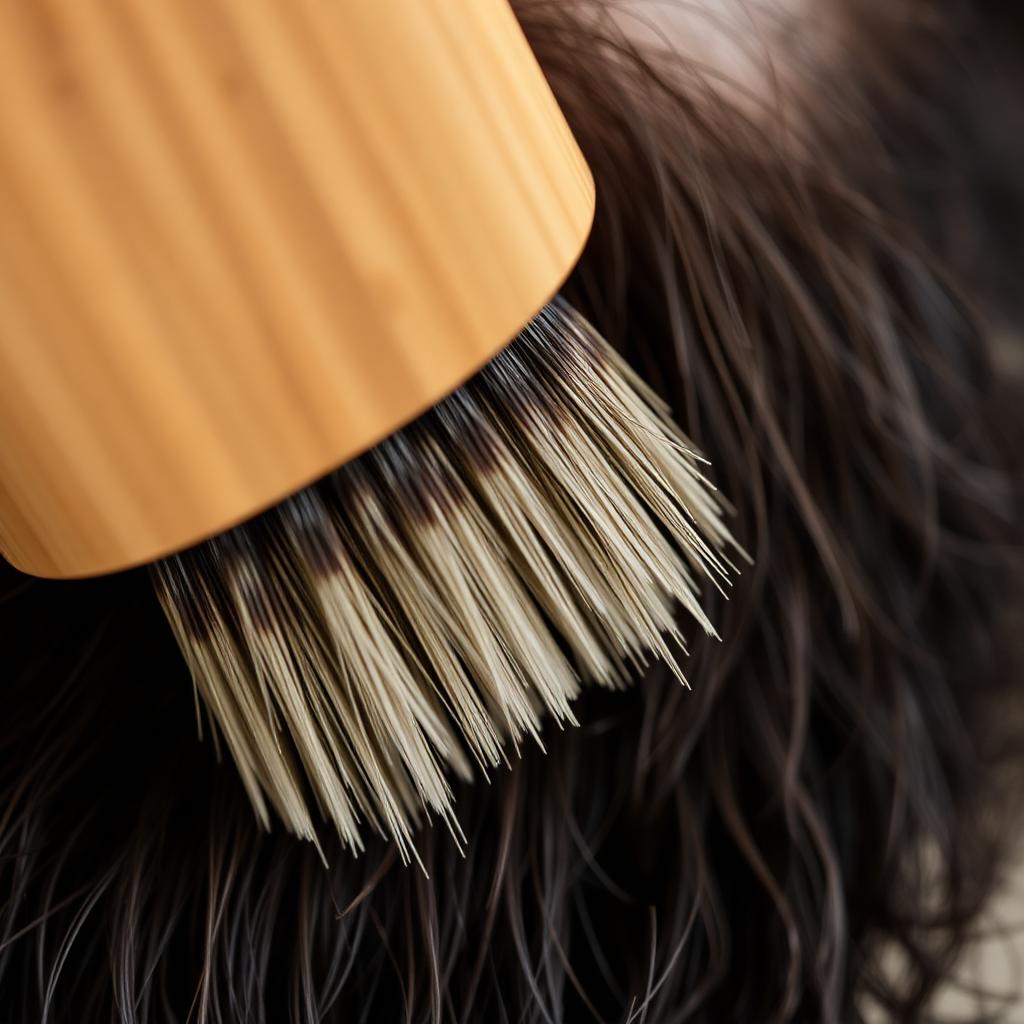
The outside of a boar bristle has microscopic scales similar to human hair. Those scales grab the natural sebum on your skin and drag it up and along the length of the hair as you brush. Synthetic nylon has a smooth, non-porous surface that cannot hold or move oil at all.
Two secondary effects fall out of that: the hair takes on a natural shine because the whole shaft is coated in oil, and the skin under the beard exfoliates gently, which reduces dandruff-like flaking.
What to check on the label
100% first-cut bristles
First-cut bristles are the stiffest section of the boar hair. They resist bending and penetrate dense hair. "Reworked" or "second-cut" bristles are cheaper and go floppy quickly.
Bristle firmness
- Soft: stubble to 1 inch. Anything firmer scratches.
- Medium: 1 to 4 inch beards. The default.
- Firm: 4+ inches or wiry hair. Firms reach the skin through the pile.
Handle material
Pearwood, beech, sandalwood, and olive wood are all fine. Bamboo is lighter and cheaper but splits over time near the bristle base. Avoid printed or laminated handles; the coating flakes.
Bristle spacing
Bundles should sit at least 3 to 4 mm apart. Densely packed brushes only smooth the outer hair, never reaching the skin. This is the single biggest quality signal.
Sizes and shapes
- Palm brush (round, no handle). Fits in the palm. Best for daily downward strokes.
- Military brush. Same shape, slightly larger. Good for long beards.
- Pocket brush. Small oval with a lid. Handy for travel or on-desk touch-ups.
- Rectangular styling brush. Best for shaping a moustache or ducktail point.
How to use the brush
- Beard should be dry. Wet hair stretches and snaps under bristles.
- Apply beard oil first. The bristles distribute it more evenly than fingers can.
- Brush with the grain (downward). Trains hair to lay flat.
- Finish with a couple of upward flicks under the chin. Adds volume where beards flatten.
Cleaning and lifespan
- Pull trapped hair out with a wooden comb weekly.
- Once a month, dip only the bristle tips in warm water with a drop of mild shampoo, swirl, rinse, and dry bristles-down.
- Never soak the wood, it cracks around the bristle plate.
- A quality brush lasts 5 to 10 years with basic care.
Common questions
Are boar bristles cruel?
Boar bristles are a byproduct of the pork industry, not from animals farmed specifically for grooming brushes. If that still bothers you, agave sisal fibre is the closest vegan analogue.
Do they smell?
Cheap brushes sometimes have a faint animal smell for the first few uses. It fades within a week. Quality brushes are cleaned during manufacturing and smell like nothing.
Boar bristle or wooden comb?
Both. Comb to detangle, brush to distribute oil and smooth. They are not interchangeable.
Bottom line
A great boar-bristle beard brush is 100% first-cut, set into a solid hardwood handle, and spaced widely enough to reach the skin. Match firmness to beard length, brush the beard dry with oil already applied, and clean it once a month. Done right, it is the single most useful tool in the drawer after a decent trimmer.