Quick Answer
The best blackout curtains for bedrooms in 2026 are the Nicetown 100% Blackout Curtains (about $30 to $45 per pair) for true light-blocking with a dual-layer liner and OEKO-TEX safety certification, the BGment Total Blackout Curtains (about $25 to $38 per pair) for a 3-pass foam-lined panel with noticeable sound dampening, and the Deconovo Triple Weave Curtains (about $20 to $30 per pair) for a soft, drape-friendly thermal option at 90 to 95 percent light blockage.
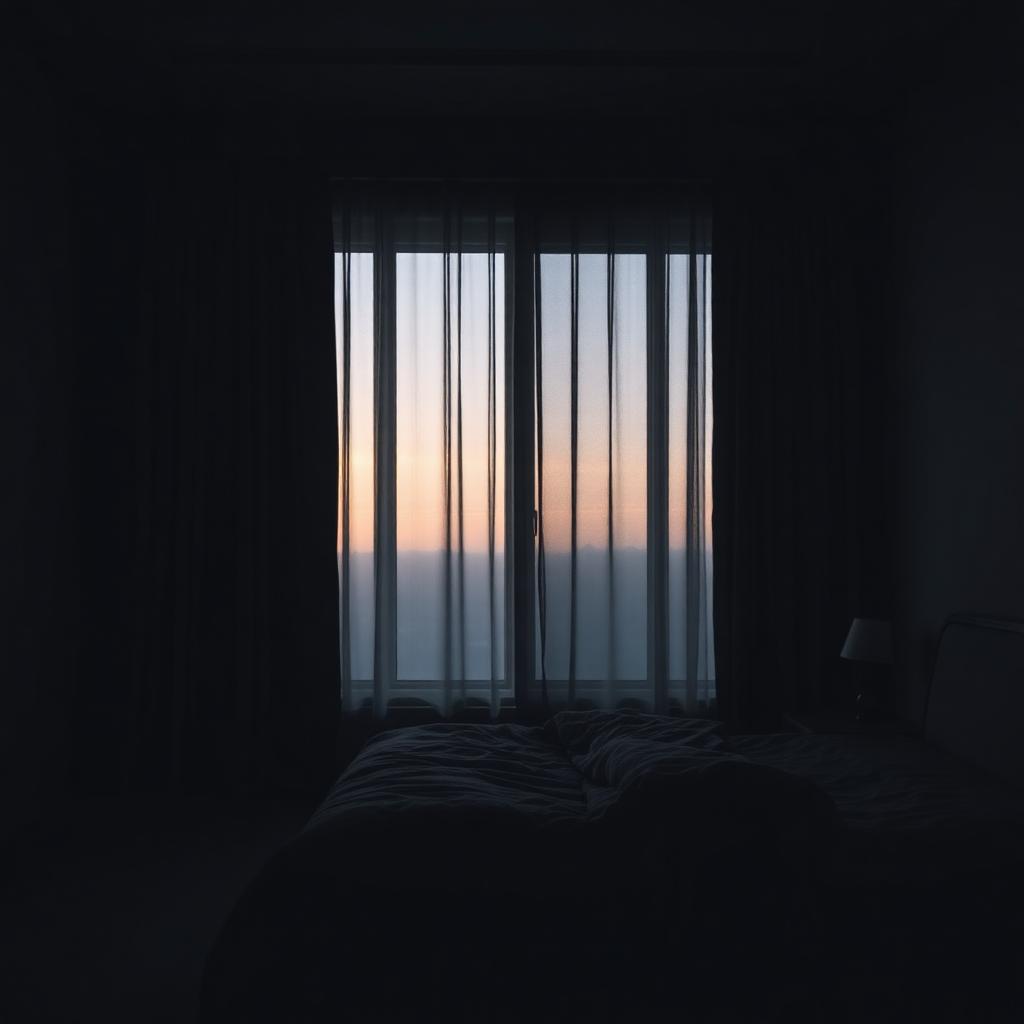
Melatonin production is suppressed by even small amounts of light through your eyelids. A true blackout curtain lets your brain make the hormones sleep depends on.
The curtain rod matters almost as much as the curtain. Straight rods leak light around the edges.
Why standard curtains are not blackout
Regular room-darkening curtains are typically a single or double weave of polyester dyed a dark color. In a dim room they look opaque, but hold one up to a bright window and you can clearly see the outline of the sun through it. That leaked light hits your closed eyelids, and your suprachiasmatic nucleus (the part of the brain that runs your body clock) reads it as morning and starts winding down melatonin production hours early.
True blackout curtains have to physically block essentially all wavelengths of visible light. There are two engineering paths to get there, and they perform differently.
Triple weave vs. 3-pass foam liner
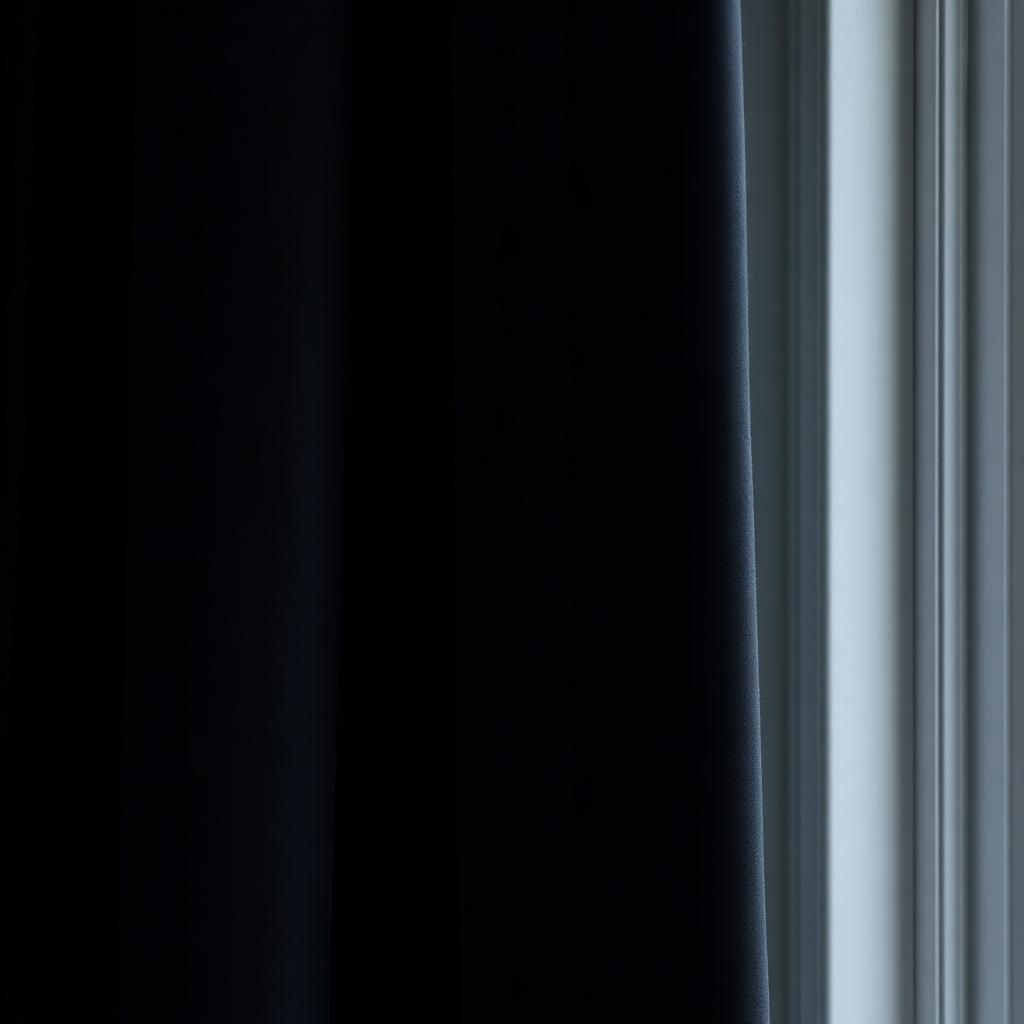
- Triple weave. Three synthetic yarn layers woven together, with a black yarn core sandwiched inside. Drapes beautifully, feels soft, machine washes easily. Blocks 85 to 95 percent of light. Light colors leak more; dark colors block more.
- 3-pass foam liner. A decorative face fabric bonded to an acrylic foam layer, then a black light-stopping layer, then a second foam layer for insulation. Blocks essentially 100 percent of light regardless of the face color. Stiffer, heavier, and slightly less breathable. Also better at dampening sound.
If total darkness is the goal, buy 3-pass. If drape and washability matter more than absolute darkness, triple weave is livable in a dark color.
Best overall: Nicetown 100% Blackout
Nicetown is the most-reviewed blackout brand on Amazon and consistently earns the top of independent testing. Their 100% Blackout panels stitch a decorative face fabric to an independent, industrial-grade blackout backing (sometimes called a "double-layer" panel). Because the black backing runs to the edges and the seams are back-stitched, there are effectively no pinholes leaking light.
Even in light colors like ivory or beige, lab lux meters read essentially zero transmission. They carry OEKO-TEX Standard 100 certification, which is a real, testable third-party guarantee that the fabric was screened for harmful substances (formaldehyde, azo dyes, heavy metals). At the price, nothing beats them.
Best for noisy rooms: BGment Total Blackout
BGment uses a 3-pass acrylic foam-coated construction. The foam layer is a dense, semi-rigid backing that also happens to absorb sound frequencies. Independent measurements put ambient outside noise reduction at 10 to 15 percent, not soundproofing but a noticeable dampening on a busy street. Face fabric is a subtle faux-linen texture.
They are heavier than Nicetown panels and drape a bit stiffer as a result. If you live near a highway, on a busy pedestrian street, or above a garage door, that stiffness is worth it.
Best budget triple weave: Deconovo
Deconovo makes a soft triple-weave panel at 20 to 30 dollars a pair. Rated at 90 to 95 percent light blockage in dark colors, which is enough for many bedrooms if you also block gaps around the rod. The face drape is closer to a real fabric curtain than the stiffer 3-pass panels, so if aesthetics matter and you sleep in a color-controlled room, this is a strong budget pick.
Installation is where blackout curtains succeed or fail
- Use a wrap-around (return) rod. A standard straight rod leaves 2 to 4 inches of light bleed on each side. A wrap-around rod curves 90 degrees back to the wall, so the curtain overlaps the wall itself. This is the single biggest fix.
- Mount high and wide. Install the bracket 6 to 8 inches above the top of the window frame and 4 to 6 inches wider on each side. The extra fabric traps light that would otherwise leak over the top.
- Buy longer than the drop. Order panels 4 to 6 inches longer than the floor-to-rod measurement so they puddle slightly, sealing the bottom.
- Use a top valance or ceiling mount for perfectionists. Mounting the rod to the ceiling instead of the wall eliminates the top light gap entirely.
Thermal bonus
3-pass foam curtains cut summer solar gain and winter heat loss meaningfully. Manufacturer claims of "30 percent" energy savings are marketing, but real-world thermal cameras show a 5 to 10 F difference between an uncovered and a curtained window on the coldest and hottest days. Over a heating season, that adds up.
Bottom line
For most bedrooms, the Nicetown 100% Blackout Curtains are the best pick: real 100 percent blockage, OEKO-TEX safety cert, and prices low enough to curtain a whole house. Add BGment 3-pass panels in rooms where street noise wakes you up, and use Deconovo triple weave where drape and softness matter more than total darkness. Pair any of them with a wrap-around rod mounted high and wide, or the curtain will not do its job.