
Quick Answer
The best beard wash and conditioner sets are sulfate-free, built on gentle glucoside surfactants, and paired with a conditioner rich in shea butter, jojoba, and panthenol. Wash two to three times a week, always with the matching conditioner, and always in lukewarm water.
Do not wash a beard with regular shampoo, body wash, or bar soap. All three strip the skin of oil far faster than they clean the hair.
Why facial hair needs its own wash
Scalp shampoo is engineered for hair follicles that produce a lot of oil and skin that tolerates aggressive surfactants like SLS (Sodium Lauryl Sulfate). Facial skin is thinner, drier, and closer to sensitive tissue like the eye area. Beard hair is also coarser and blunter than scalp hair, so the same surfactants that leave scalp hair squeaky-clean leave beard hair stiff, dry, and prone to breakage.
A dedicated beard wash uses milder cleansers that lift dirt and sweat while leaving the skin barrier intact. The paired conditioner then puts moisture back into hair that would otherwise dry out because it sits so far from your sebaceous glands.
Ingredients that clean without stripping
- Coco-glucoside, decyl glucoside, lauryl glucoside. Plant-derived non-ionic surfactants. Gentle and biodegradable.
- Sodium cocoyl isethionate (SCI). Milder than SLS with better lather. Widely used in "sulfate-free" formulas that still foam.
- Aloe vera juice as a base. Adds soothing and hydration during the wash step itself.
Ingredients that make a conditioner worth using
- Unrefined shea butter. Softens the hair core, adds pliability.
- Mango or cocoa butter. Similar to shea, slightly lighter feel.
- Jojoba and argan oil. Coat the cuticle, add shine, do not build up.
- Panthenol (Pro-Vitamin B5). Penetrates the hair shaft and reduces split ends.
Ingredients to avoid in either bottle
- SLS and SLES (sodium lauryl/laureth sulfate). Too harsh for facial skin.
- Synthetic fragrance (Parfum). Common trigger for facial dermatitis.
- Silicones (dimethicone, cyclomethicone). Fake softness with real build-up.
- Alcohol denat. High on the list dries the skin under the beard.
Washing schedule that keeps beards healthy
- Wash 2 to 3 times a week. Daily washing strips oil faster than the skin can rebuild it.
- Rinse in lukewarm water. Hot water opens cuticles and adds frizz. Cool water in the final rinse seals them.
- Condition every wash. Leave the conditioner in for 2 to 3 minutes before rinsing.
- Follow with a light beard oil. Locks in the moisture that the conditioner delivered.
Application, step by step
- Rinse the beard in lukewarm water for 20 to 30 seconds.
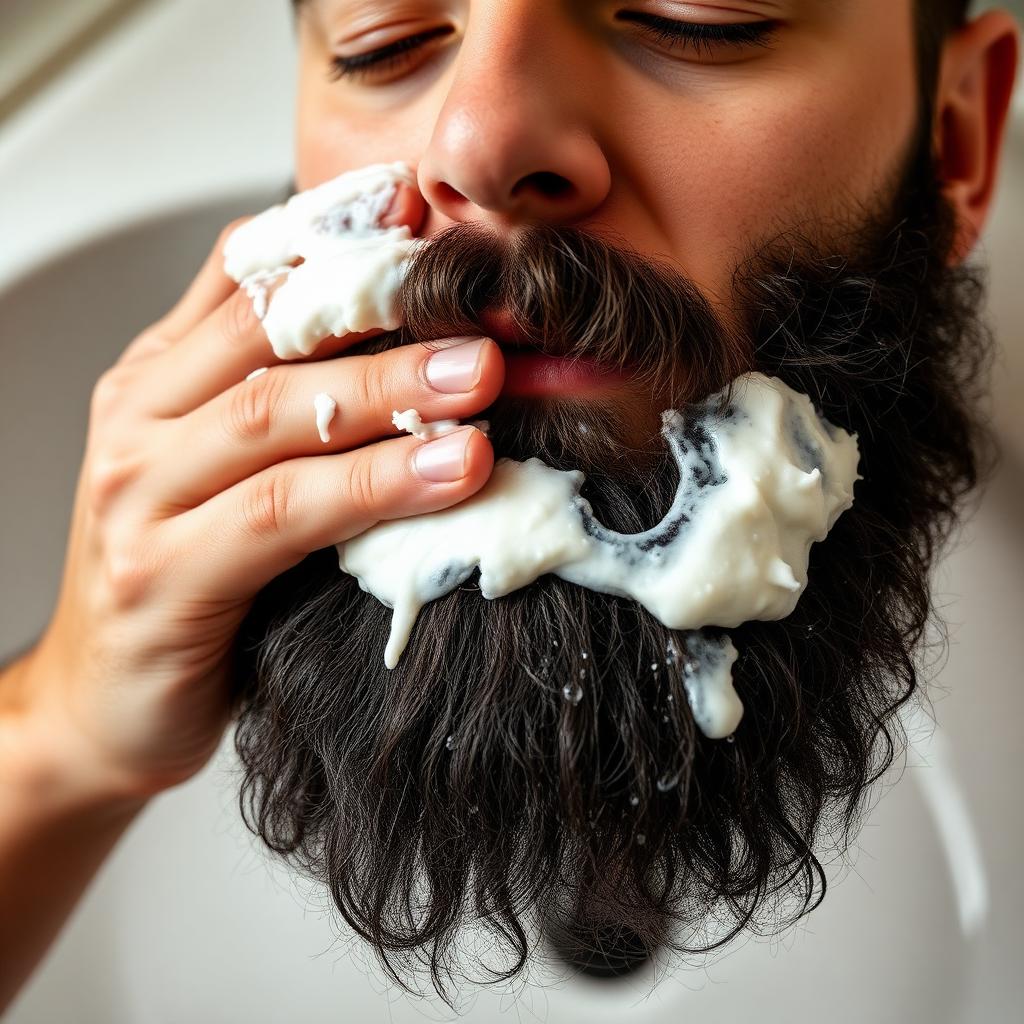
- Work a nickel-sized amount of beard wash into a lather in your palms first.
- Massage into the beard and skin using fingertips, not the palm alone.
- Rinse fully.
- Apply conditioner from the roots to the tips. Comb through with a wooden comb.
- Wait 2 to 3 minutes. Rinse in cool water.
- Pat dry with a clean towel. Do not rub, friction on wet beard hair causes breakage.
Common questions
Can I use a beard wash on my hair too?
Yes, though it will feel gentler than scalp shampoo. Fine for occasional use, not the best value for daily scalp washing.
Is a 2-in-1 beard wash and conditioner OK?
They are convenient but the conditioning ingredients are diluted. If you have a short beard, a 2-in-1 is fine. For 3+ inches, use two separate products.
How long does a bottle last?
A 4 oz beard wash bottle with two to three washes a week lasts about three months for most beards.
Bottom line
A great beard wash and conditioner set cleans without stripping and rehydrates without building up. Look for glucoside surfactants and butter-rich conditioners, wash two to three times a week in lukewarm water, and finish with beard oil. Do that and the itching, flaking, and coarse-hair complaints most men blame on their beard disappear.