Quick Answer
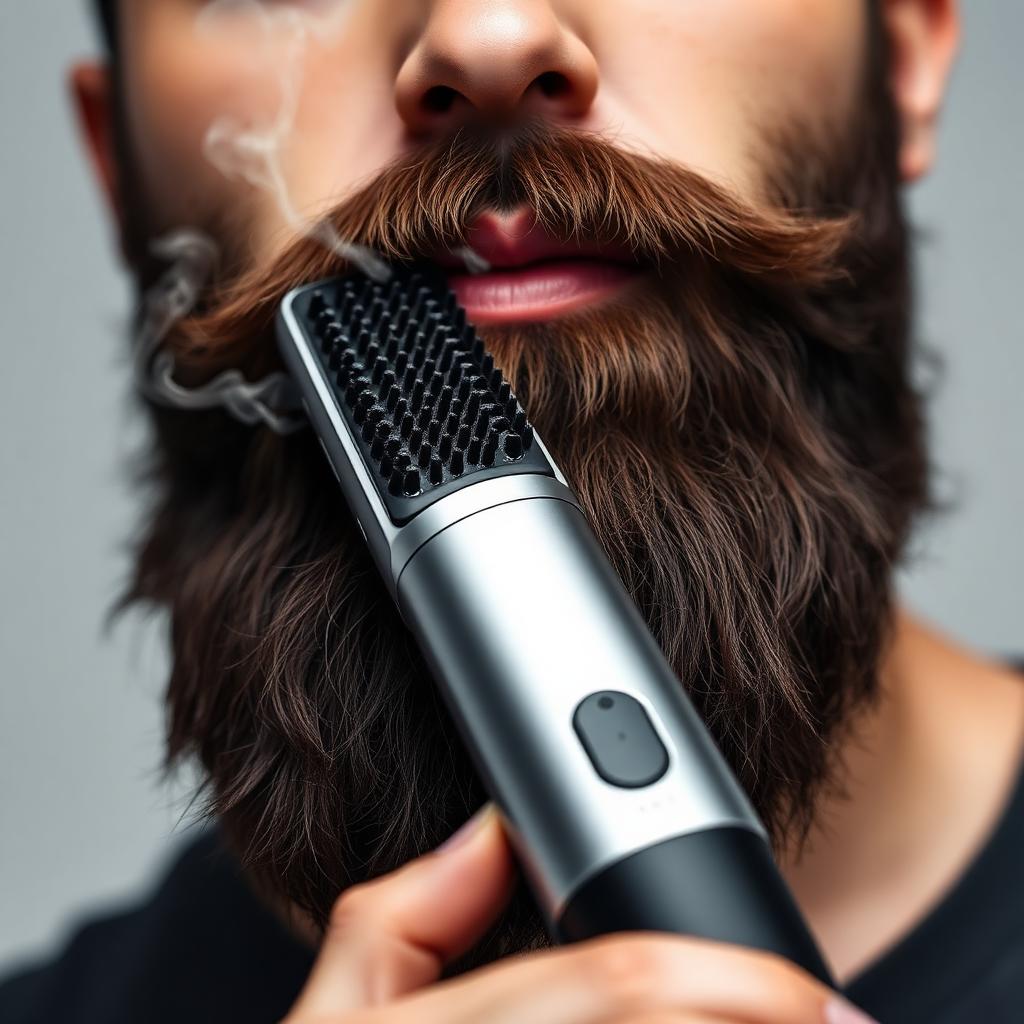
The best beard straightener brush uses ceramic MCH heating plates, anti-scald plastic bristle tips, and adjustable heat between 300 and 400 F. Ionic conditioning is a bonus, not the deciding feature.
Never use a flat iron on a beard. Flat irons run hotter, sit closer to skin, and are engineered for scalp hair that hangs away from the face. Beard-specific brushes are safer and produce a better result.
Why heat works on curly beards
Curly hair holds its shape through hydrogen bonds that break at around 220 F and reform as the hair cools. A heated brush temporarily breaks those bonds, letting you comb the beard straight and lock in a smoother shape until the next wash. The controlled heat plus tension of the bristles is what lets stubborn coily hair lay flat.
Features worth paying for
Ceramic MCH heating plates
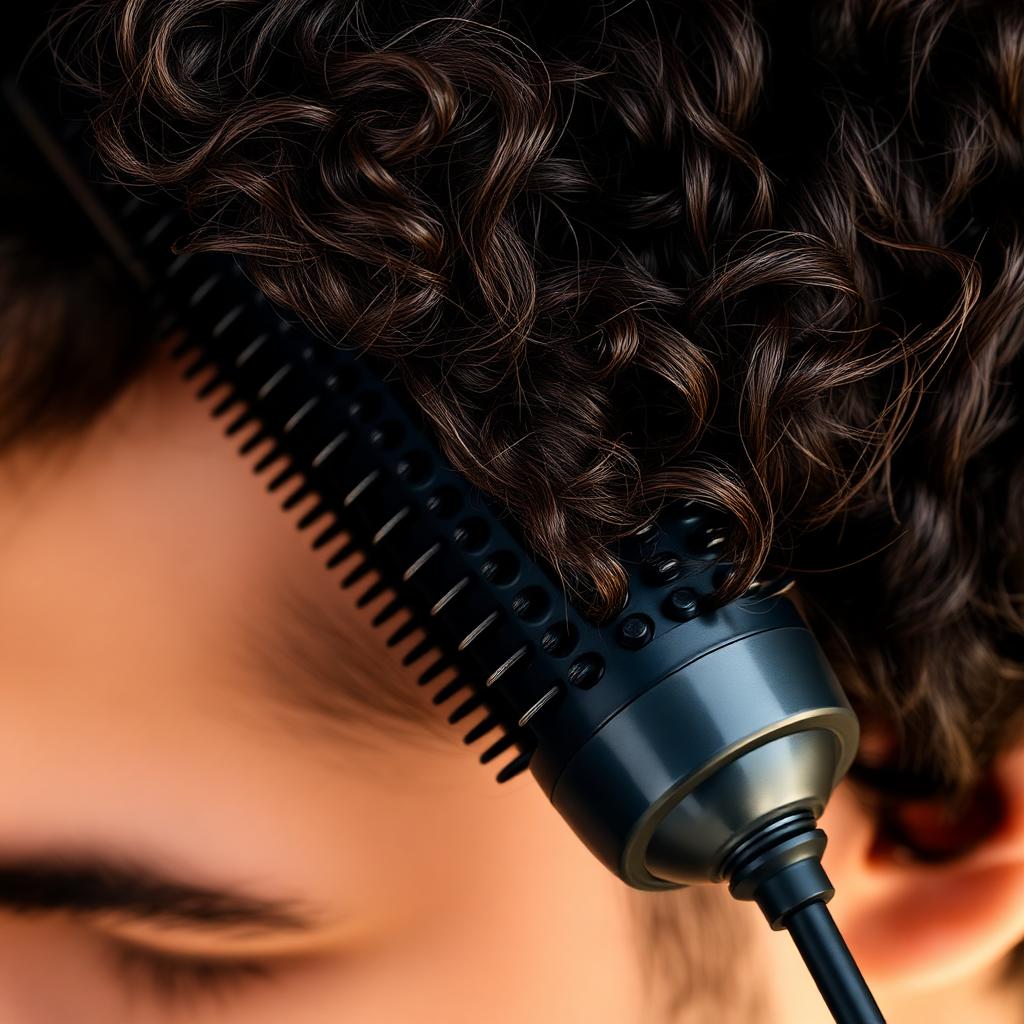
Metal plates create hot spots that scorch strands. MCH (Metal Ceramic Heater) elements distribute heat evenly so every bristle runs at the same temperature.
Anti-scald bristle tips
The heated ceramic teeth must be surrounded by longer, non-conductive plastic tips. Those tips are what press against your face while the hot part sits away from the skin.
Adjustable temperature
- 300 to 320 F: fine or thin hair.
- 340 to 360 F: medium coarse.
- 380 to 400 F: thick, wiry, very curly.
A brush that only offers "on/off" is a red flag. It probably runs hotter than 420 F.
Ionic technology
Negative-ion generators seal the hair cuticle and reduce static. Not essential but noticeably reduces frizz on humid days.
Features not worth paying for
- Steam infusion. Overkill for a beard and adds burn risk.
- LCD touchscreens. Cosmetic. A dial does the same job.
- USB-C charging. All good straighteners plug in. Battery-powered ones run at too-low temperatures.
Straightening technique, step by step
- Beard must be dry. Wet hair fries. Even damp is enough to steam-burn the skin.
- Apply a heat protectant. A few drops of argan oil or a dedicated heat-protectant spray shields the hair.
- Comb the beard first. Detangle with a wooden comb so the brush glides.
- Start at the sideburns. Pull downward slowly through 4 to 6 inches per pass.
- Do not stall. Two seconds on one spot is fine. Ten seconds is a burn.
- Finish with brushing. A cool boar-bristle brush sets the new shape and adds shine.
Care and safety
- Store the brush upright to protect the heating elements.
- Wipe the ceramic surface with a damp cloth after cooling. Never soak.
- Do not use daily. Two or three sessions a week is plenty; more risks cumulative heat damage.
Common questions
Will it damage my beard?
Any heat tool causes some damage over time. Using a heat protectant, staying under 400 F, and limiting sessions keeps that damage negligible.
How long does the straightening last?
Until the next wash or a rainy day. Humidity reintroduces water into the hair, and the hydrogen bonds reform.
Can I use it on stubble?
No. There is nothing to grip. Straightening brushes need at least 1.5 inches of length.
Bottom line
A great beard straightener brush has ceramic MCH plates, anti-scald tips, and a proper temperature dial. Use it on a dry, protected beard, keep the pace moving, and finish with a boar-bristle brush. Do that and the wildest curls sit exactly where you want them all day.