Quick Answer
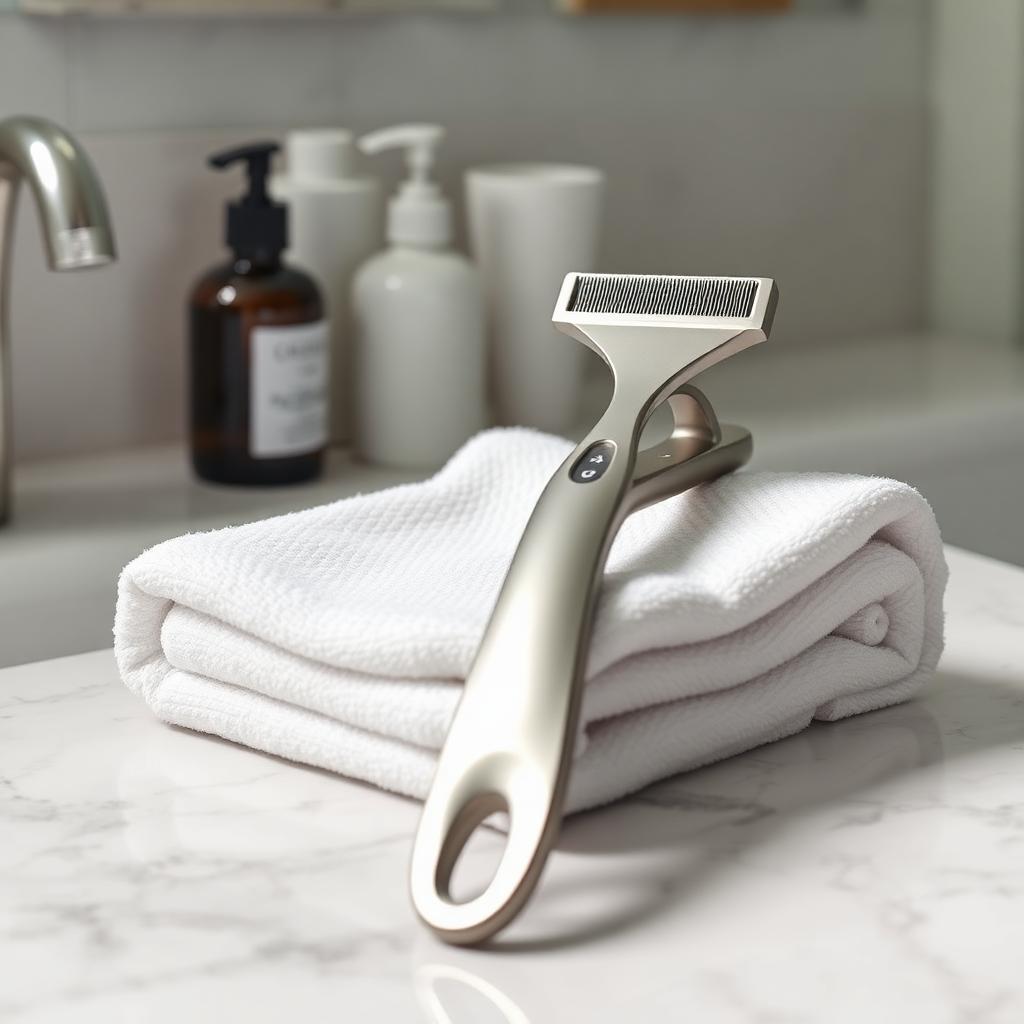
The best at-home dermaplaning tool has a single-edge surgical stainless steel blade with safety micro-guards, a weighted metal or heavy-composite handle, and replaceable blade heads. Dermaflash Luxe+, Stacked Skincare Dermaplaning Tool, Schick Silk Touch-Up, and Kitsch Pro Facial Razors are the four most-rebought options.
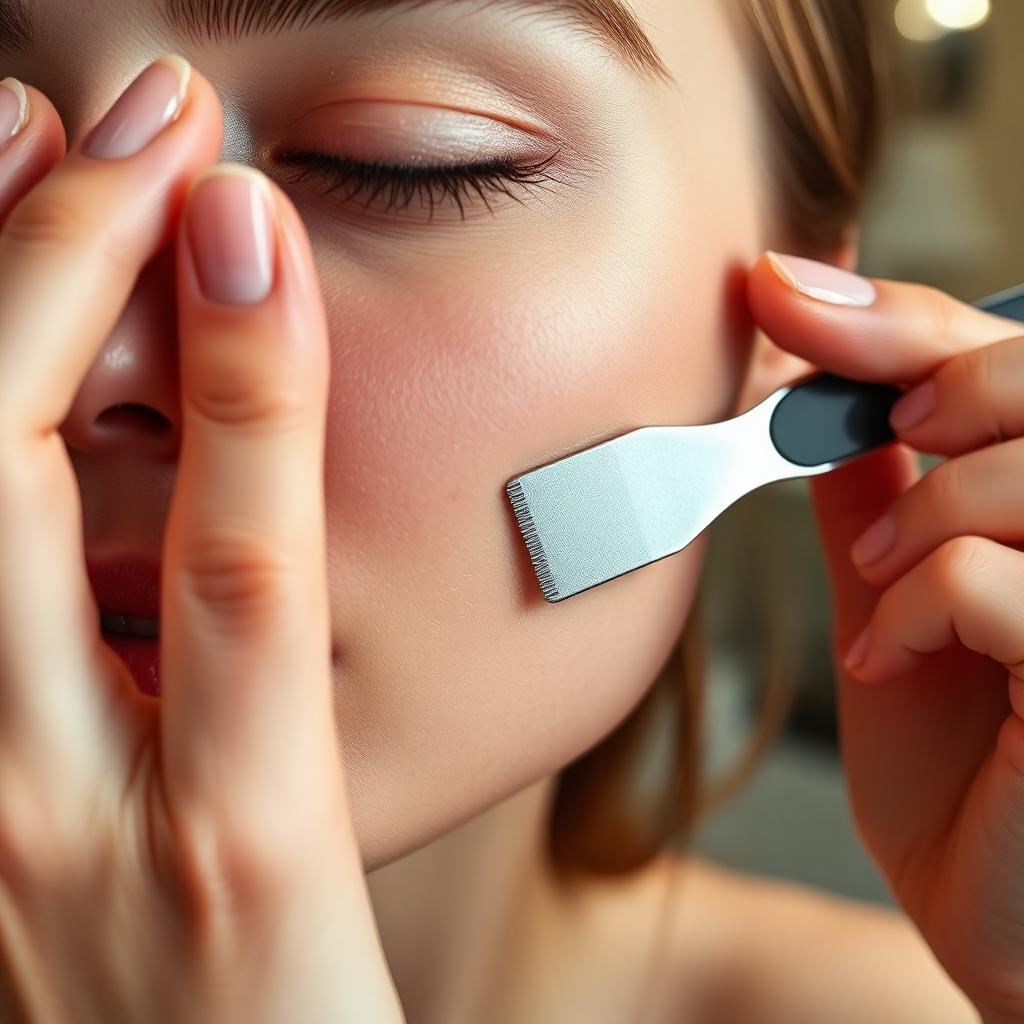
Hold the blade at a shallow 45-degree angle, pull the skin taut, and glide in short, feather-light downward strokes over clean, dry skin. Session length: 5 to 10 minutes. Frequency: every 3 to 4 weeks, no more.
What dermaplaning actually does
Dermaplaning is physical exfoliation. A single-edge blade held at a shallow angle scrapes away the outermost layer of dead skin cells (the stratum corneum) plus the fine vellus "peach fuzz" hair on the face. The result is smoother texture, better product absorption for the next 24 to 48 hours, and makeup that sits flat instead of catching on hair.
The technique originated in dermatology offices. The at-home version uses a much shorter, guarded blade so the risk of a nick is minimal, but the technique itself is still delicate. Rushing it is what causes irritation.
Manual vs electric dermaplaning tools
Manual (blade + handle)
Cheapest, most control, closest to what an esthetician uses. Stacked Skincare, Kitsch Pro, and Schick Silk are all manual. Best pick for anyone who wants a real single-edge scrape.
Electric (sonic dermaplaning)
Vibrates gently while the blade moves, meant to reduce the pressure needed from your hand. Dermaflash Luxe+ is the category leader. Best pick for a beginner who does not trust their hand yet.
Blade features that matter
- Surgical stainless steel edge. Sharpest, cleanest cut. Avoid softer generic blades that snag hair rather than shearing it.
- Safety micro-guards. Tiny raised ridges along the blade edge that prevent it from cutting into skin. Non-negotiable for at-home use.
- Single-use or replaceable blade heads. A dull blade drags and drives bacteria across the skin. Replace after 1 to 3 sessions.
- Weighted metal handle. A too-light plastic handle slips in the hand, a weighted body sits stable and reduces the pressure your hand has to apply.
Safe technique, step by step
- Cleanse thoroughly and pat dry. Skin must be 100% dry.
- Wait 5 minutes. Any residual moisture makes the blade drag.
- Divide the face into sections: forehead, right cheek, left cheek, chin, and along the jaw.
- Hold the blade at a 45-degree angle flat against the skin.
- Pull the section taut with your other hand.
- Make short, downward, feather-light strokes. Never sawing, never side to side. Move with the grain of the vellus hair, from forehead down.
- Rinse the blade every few strokes. Dead skin and hair collect on the edge and cause skipping.
- Finish with a fragrance-free hyaluronic serum + moisturizer. Skip SPF-free zones the next day, freshly exfoliated skin burns faster than usual.
Zones to skip
- Active acne breakouts. Blade spreads bacteria.
- Eyelids, direct eyebrow area, hairline. Skin is too thin or hair too coarse.
- Sunburn or open scratches. Wait for full healing.
- Eczema or rosacea flares. Wait for the flare to fully resolve.
Common at-home mistakes
- Working over damp skin. Drag, nicks, and micro-tears.
- Blade angle steeper than 45 degrees. Steeper cuts into skin, shallower does nothing.
- Reusing a dull blade. The single fastest way to spread bacteria.
- Skipping SPF the next morning. Freshly dermaplaned skin burns in half the usual time.
- Doing it weekly. Overworks the barrier. Every 3 to 4 weeks is the safe ceiling.
Bottom line
Pick a single-edge dermaplaning tool with a surgical stainless steel blade, safety micro-guards, and a weighted handle with replaceable heads. Stacked Skincare is the closest-to-esthetician manual pick. Dermaflash Luxe+ is the electric upgrade for beginners. Do it every 3 to 4 weeks on clean, dry skin at a 45-degree angle, never on damp skin, and always follow with SPF the next morning.