Quick Answer
The best aftershave balm for razor burn is alcohol-free and built on witch hazel, aloe vera, allantoin, bisabolol, and a soft emollient like shea butter or jojoba. Skip anything with alcohol denat, ethanol, SD alcohol, or synthetic fragrance high on the ingredient list.
Splash aftershaves from the 1950s used alcohol to feel disinfecting. What they actually did was strip the barrier and dry out already-irritated skin. A modern balm calms and repairs instead.
Why razor burn happens
Every razor pass removes a micro-layer of the outermost skin along with the hair. Multi-blade cartridges do this more aggressively than a single-blade DE or straight. When the skin barrier is scraped and immediately hit with alcohol splash, blood vessels in the top layer inflame, hair follicles bump up, and the skin flushes red. That is razor burn.
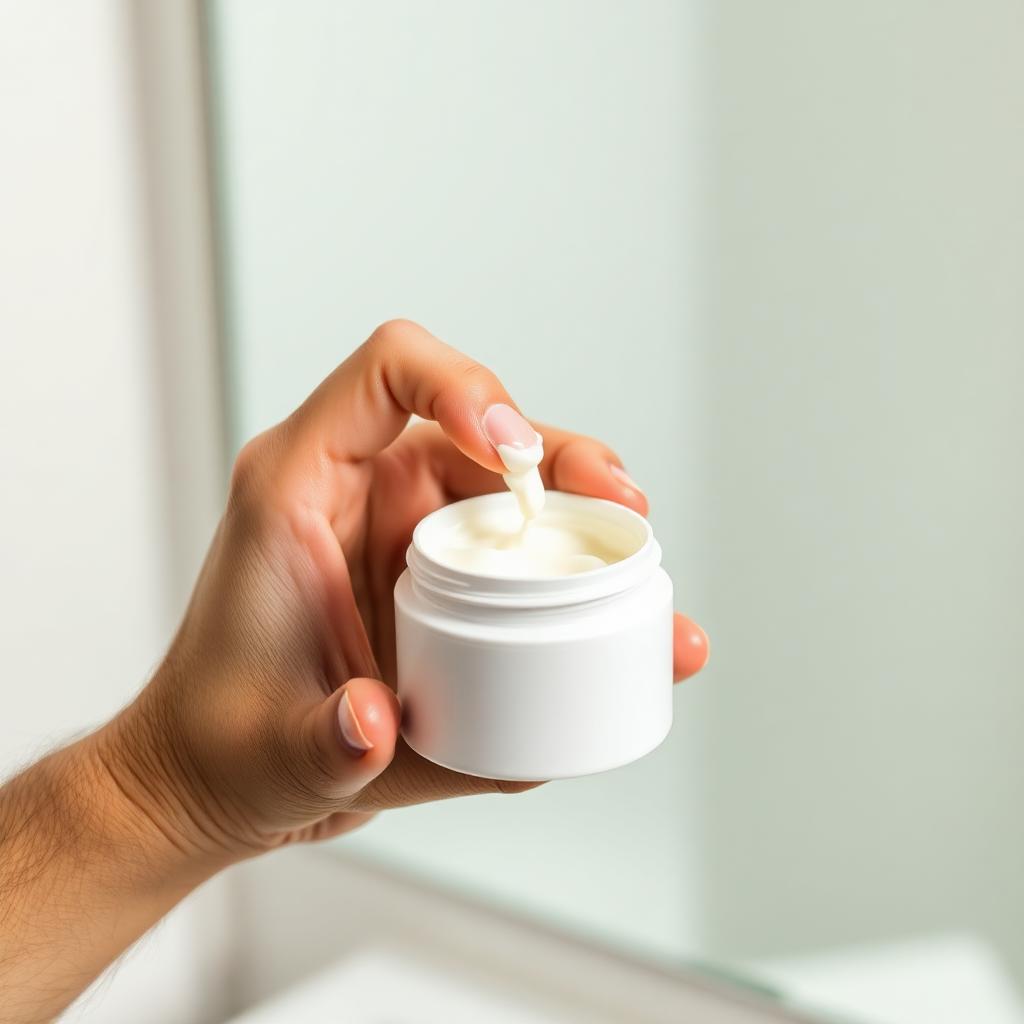
Balm ingredients that actually heal
Witch hazel (Hamamelis virginiana)
Natural, alcohol-free astringent. Tones the skin and reduces redness without stinging.
Aloe vera juice
Cools instantly, hydrates the top layer, mildly anti-inflammatory. Cheap and universally tolerated.
Allantoin
Derived from comfrey. Speeds barrier repair on scraped skin. Look for 0.5 to 2% on the label.
Bisabolol
Chamomile extract. Strong anti-inflammatory that calms redness fast.
Shea butter or jojoba oil
Rebuilds the lipid barrier without clogging pores.
Panthenol (Pro-Vitamin B5)
Restores water content and softens the top layer.
Ingredients that make razor burn worse
- Alcohol denat / Ethanol / SD alcohol. Dries the skin, delays healing, stings.
- Synthetic fragrance (Parfum). Top contact-dermatitis trigger for men in every skin study.
- Menthol above 2%. Feels cool, but stings damaged skin.
- Isopropyl myristate. Feels dry to the touch, but comedogenic.
Post-shave routine (60 seconds)
- Cold water rinse. Closes pores, reduces redness. 20 seconds.
- Pat dry. A clean towel, not a rub. Never scrub after shaving.
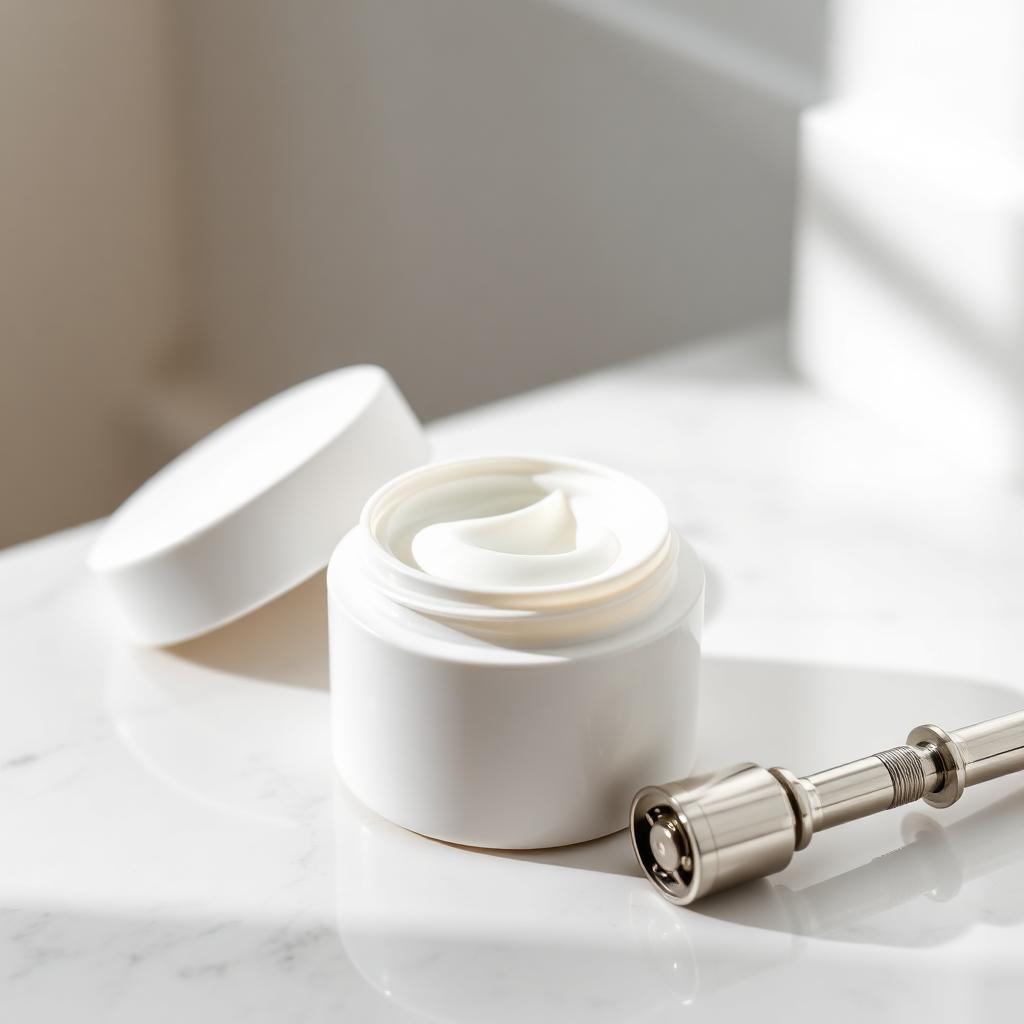
- Nickel-sized dab of balm. Warm between the palms.
- Apply in circular motions. Across the whole shaved area. Massage in gently.
- Wait 30 seconds before touching your face. Let it absorb.
When razor burn is already there
Skip shaving for 48 hours. Apply the balm morning and night. Add a plain 1% hydrocortisone cream at night for two days if the redness is severe. Do not exfoliate this area until it calms.
Balm vs lotion vs splash
- Balm. Thicker, richer, contains barrier repair ingredients. Best for razor burn.
- Lotion. Lighter, absorbs faster. Fine for daily use once your skin has calmed.
- Splash (alcohol-based). Traditional but harmful for anyone with razor burn. Save for a scent hit, use over a balm.
How to spot a good balm on the shelf
Turn the bottle around. If the first five ingredients include water, aloe, witch hazel, glycerin, and a butter or oil, it is a real balm. If ethanol or alcohol denat is in the top five, it is a splash marketed as a balm.
Bottom line
The best aftershave balm for razor burn is alcohol-free and built around witch hazel, aloe, allantoin, bisabolol and shea butter. Cold rinse, pat dry, nickel-sized dab in circles. Fragrance-free versions exist for anyone whose skin reacts to essential oils.