Quick Answer
A knocking or thumping noise under the dash when you unlock the door is most often the ABS pump running its self-test, a body control module (BCM) relay clicking, or a door lock actuator cycling. All three are normal on many modern vehicles.
Less commonly it is a vacuum actuator for HVAC blend doors triggered when the ignition wakes up, or a worn motor in the climate control system. If the noise is metallic and repetitive, get the BCM and door modules scanned for fault codes.
The most common cause: ABS self-test
Many cars built since 2010 run an ABS pump self-test when the vehicle wakes up from a key fob unlock. The pump motor cycles for 1 to 3 seconds and sounds like a knock or thump from low in the dash on the driver side. This is normal and is the manufacturer verifying brake system pressure before you drive.
Body control module relay clicks
The BCM lives behind the dash and controls dozens of body functions: lights, locks, alarm, interior chimes. When you unlock the door, the BCM activates several relays at once. Healthy relays make a soft click; older or worn ones produce a louder knock. If the knock has gotten louder over time, the BCM relays are the likely cause.
Door lock actuator feedback
Some vehicles route the door lock signal through linkages that thump against the inner door panel or transmit vibration into the dash. If only one door produces the sound, the actuator in that door is the source. Replacement runs $80 to $250 per door at a shop.
HVAC blend door actuator
Climate control blend door actuators sometimes recalibrate when the vehicle wakes up. A failing actuator chatters loudly during the recalibration cycle. The sound is usually behind the glove box or center console. Diagnosis is a scan tool that reads HVAC actuator position errors.
When the noise indicates a real problem
Sounds you should investigate: a knock that repeats more than 5 times, a knock combined with a check engine or ABS warning light, a knock that causes the car to crank slowly or refuse to start, or a knock that vibrates the steering column. Any of those suggest a failing motor, relay, or grounding fault, not a normal self-test.
How to diagnose at home
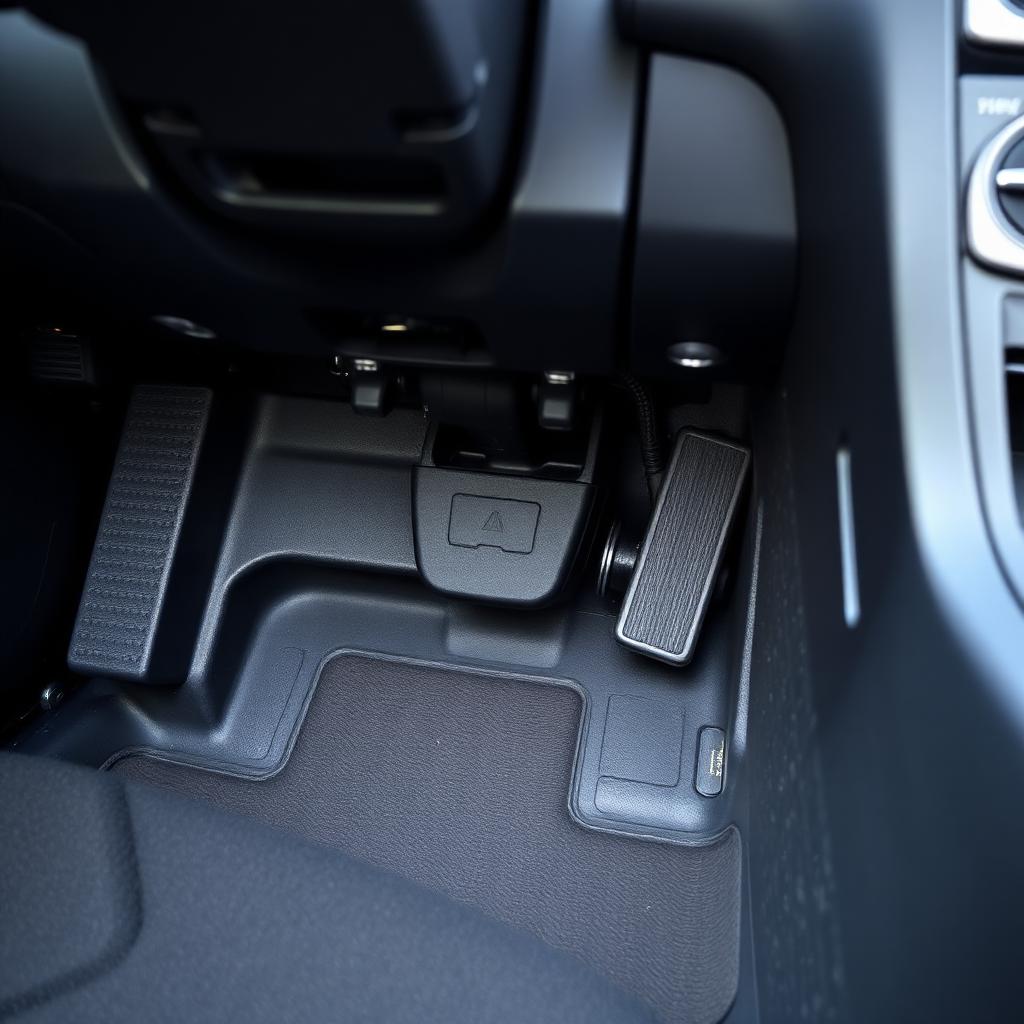
Sit in the driver seat with the door open and the key fob in your hand. Lock and unlock the car several times, listening for the source of the knock. If the sound comes from low and center, it is likely ABS or BCM. If it comes from the door itself, the actuator is responsible. Use your phone's slow-motion video pointed at the dash kick panel to time the noise.
When to ignore vs investigate
Ignore: a single quick knock or thump that has been there since you bought the car. Investigate: any new knock, knocks that change in volume, or knocks that come with dashboard warning lights. A scan tool diagnostic at a shop runs $80 to $150 and quickly identifies BCM, ABS, or HVAC issues.
Repair cost guide
BCM relay swap: $50 to $200. Door lock actuator: $80 to $250 per door. HVAC blend door actuator: $200 to $500 including labor. ABS pump replacement: $700 to $1,500 (only needed if the pump itself fails, not for the normal self-test sound).
The knocking noise under the dash when the door unlocks is almost always benign system wake-up sounds. Get worried only when the noise changes, gets louder, or arrives with a warning light.
Vehicle-specific patterns
Honda, Toyota, and Mazda commonly produce a 1-second ABS pump click on key-fob wake-up. Ford and GM trucks often produce louder BCM relay clicks. European vehicles (BMW, Mercedes, Audi) frequently make HVAC actuator recalibration noises that owners mistake for a fault. Searching your specific year, make, and model usually finds an owner-forum thread describing the same sound as normal.
What changed if the noise is new
A sudden new knock often follows: a dead battery jump-start (resets and re-triggers system self-tests), a recent service that disturbed dash trim, cold weather (relays click louder when contracted), or a recent software update from the dealer. Note when the sound started and what changed at that time.
DIY scan tool option
A $30 OBD-II Bluetooth dongle paired with an app like Car Scanner or Torque Pro reads basic fault codes. More advanced scans (BCM, HVAC, ABS modules) require a $100 to $200 enthusiast-grade scanner. For one-off diagnoses, a $20 visit to an auto parts store for a free code read is usually enough.
When to escalate beyond a code read
If the knock comes with a no-start condition, an intermittent crank, dashboard warning lights, or smoke smell, do not just rely on a code read. Have a technician test the BCM grounds, battery voltage under load, and the alternator output. Electrical gremlins often have multiple symptoms beyond the noise.
DIY repairs that often work
Tightening BCM grounds (a common spot is under the dash bolted to body sheet metal) often quiets relay clicks. Cleaning battery terminals and confirming a charge above 12.4 volts at rest reduces wake-up oddities. Replacing a 5-year-old battery often resolves a host of electrical mysteries.
What not to do
Do not unplug fuses or modules to silence the noise; you may disable safety systems. Do not ignore a new knock paired with warning lights. Do not pay for an "ABS module reset" without a confirmed fault code; the click may be normal.
Bottom line
Most under-dash knocks are normal system wake-ups. Worry only if the noise is new, loud, or paired with a warning light.