Quick Answer
The Red Lobster in Times Square closes for good on Sunday, June 14, 2026, after operating in the same 5 Times Square location for 23 years. The chain says the decision was driven by extensive and prolonged construction at the building, which damaged access, visibility, and foot traffic enough to make continued operations unviable.
It is the company's only New York City restaurant, and its closure ends Red Lobster's physical footprint in the five boroughs. All affected staff are being offered transfers to other Red Lobster locations nationwide.
What the Company Said
Red Lobster confirmed the closure in late May 2026 in statements to ABC7 New York, CBS New York, Fox Business, and Restaurant Business. The official line: ongoing work on the building has significantly impacted access, visibility, and customer flow into the restaurant, and the construction is expected to continue for a long enough period that staying open does not pencil out.
The restaurant opened in 2003 at 5 Times Square, on the corner of West 41st Street and Seventh Avenue. It was the chain's flagship and its highest profile urban location in the United States.
The Building Story
5 Times Square is in the middle of a major repositioning. The 39 story tower was originally built in 2002 as the U.S. headquarters of Ernst and Young. The current owner is converting large portions of the property from office to residential use, part of a wider Midtown trend driven by post pandemic office vacancy.
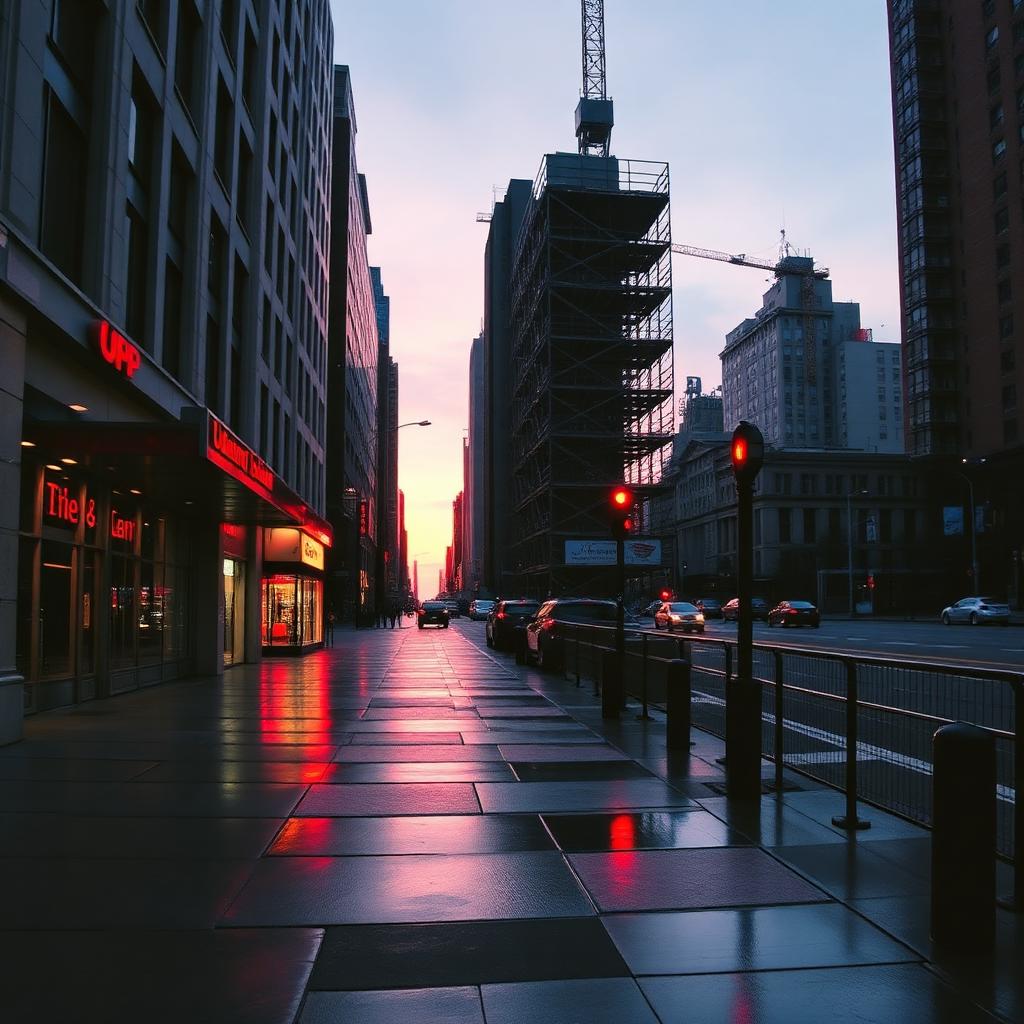
That kind of conversion involves heavy demolition and reconstruction inside the building shell, scaffolding on the exterior, and disrupted street level access. For a casual dining tenant whose business model depends on tourist foot traffic walking up to the door, those conditions are a slow strangulation. New York Weekly has reported that the closure is being treated by Manhattan real estate watchers as a signal moment in the office to apartment shift sweeping Midtown.
The Red Lobster Backdrop
The Times Square closure has to be read against Red Lobster's broader 2024 to 2026 restructuring. The company filed for Chapter 11 bankruptcy protection in May 2024 after years of declining traffic and the financially damaging "Endless Shrimp" promotion that pushed losses to a breaking point. The company emerged from bankruptcy in September 2024 under new ownership led by Fortress Investment Group, with Damola Adamolekun as the new CEO.
Since exiting bankruptcy, the company has closed roughly 100 underperforming locations across the United States to simplify operations and refocus on the strongest stores. Times Square was not on the original closure list precisely because of its visibility, but the building situation pushed it over the line.
Why High Profile Locations Do Not Always Make Money
Tourist heavy locations like Times Square carry high rent and high operational overhead. The math only works if a restaurant can move a high volume of covers at consistent ticket sizes. Casual dining margins are thin, and the chain is competing for the same lunch and dinner spend as dozens of nearby alternatives, including chain rivals like Bubba Gump and Olive Garden plus a wave of newer fast casual concepts.
Add in scaffolding that shrinks the visible storefront, blocked entrances during conversion work, and the loss of impulse walk in business, and the location's economics break down quickly.
What Happens to Staff
Red Lobster has said all affected Times Square team members are being offered transfers to other Red Lobster locations nationwide, with transition pay to support the move. For longtime kitchen and front of house staff with deep New York City roots, a cross country transfer is not a costless offer, but it is a meaningful step beyond simple severance.
What This Says About Midtown Manhattan
The bigger story sitting underneath this closure is the structural change happening to Times Square and Midtown as a whole. Three trends are converging.
- Office to residential conversions. Several Midtown office towers, including 5 Times Square, 25 Water Street, and 222 Broadway, are converting to apartments. Each conversion takes years and disrupts every ground floor tenant.
- Tourist mix change. Times Square pedestrian counts are back to near 2019 levels, but the spending mix has shifted toward experiences (Broadway, attractions, branded retail) and away from sit down casual dining.
- Tenant turnover at the ground floor. Iconic chain restaurants in Times Square, from Olive Garden's relocations to Planet Hollywood's earlier downsize, have been recalibrating their footprint for years. Red Lobster is the latest in a longer pattern.
Where You Can Still Get Red Lobster
The chain still operates more than 500 restaurants across the United States and Canada after the post bankruptcy closures. The nearest locations to Manhattan include stores in Brooklyn (Kings Plaza), Queens, the Bronx, and several New Jersey and Long Island sites in Paramus, Yonkers, and Garden City. The company also continues to expand its digital ordering and delivery operations through DoorDash and Uber Eats partnerships.
What Replaces It at 5 Times Square
The building owner has not publicly named a new tenant for the ground floor space. Given the residential conversion underway, the most likely outcomes are amenity space tied to the new residential floors, a smaller experiential retail or food and beverage concept built for the new resident population rather than tourist volume, or a flagship retailer that wants the Times Square address regardless of foot traffic disruption during construction.
The Takeaway
Red Lobster's Times Square location closes on June 14, 2026, after 23 years, because extensive construction at 5 Times Square, tied to the building's office to residential conversion, made continued operations unworkable. The closure happens inside the company's broader post bankruptcy footprint reduction, but it is also a clean illustration of how Midtown Manhattan is reshaping itself around residential conversions and a different tourist spending pattern than the one that opened the restaurant in 2003.