Quick Answer
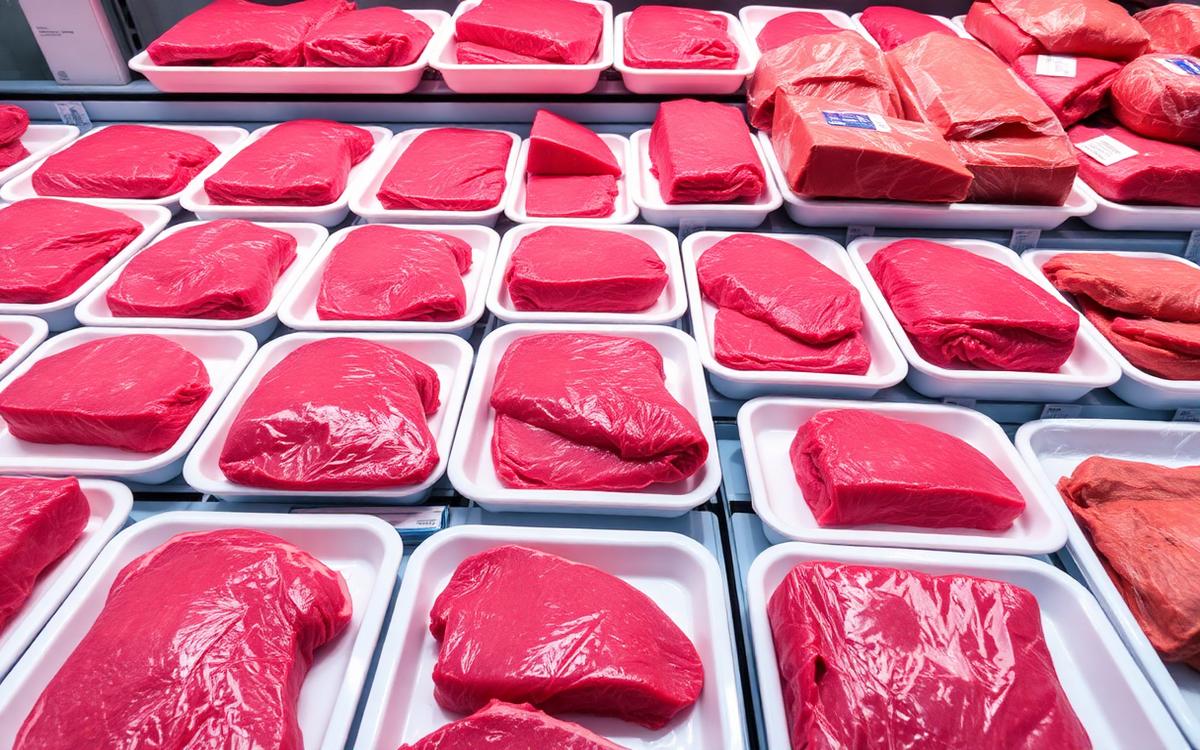
Beef is expensive because there are not enough cattle. The US herd has shrunk to its smallest size in decades after years of drought, expensive feed and ranchers selling down rather than rebuilding.
Ground beef pushed past 6 dollars a pound at retail this summer, and USDA has been tracking beef and veal prices running roughly 10 to 12 percent above a year earlier.
The uncomfortable part is the timeline. Rebuilding a herd takes years, not months, so nobody serious is predicting a fast return to the prices you remember.
Beef prices are high right now for one core reason: supply is tight while demand has held up.
The Herd Is the Whole Story
Every other explanation you hear is downstream of one number: how many cattle exist. USDA counts the national inventory twice a year, and that count has been drifting lower for most of the past decade before settling at levels not seen since the early 1950s.
Fewer cattle means fewer animals arriving at packing plants, which means less beef in the case. Demand has not fallen to match. Americans kept buying steaks and burgers through the whole run-up, which is exactly the condition that lets prices climb instead of stalling.
Why Ranchers Sold Instead of Rebuilding
Drought did the first round of damage. When pasture burns off, ranchers either buy hay at painful prices or sell cows. Plenty of them sold, including breeding cows, which is the decision that shrinks future supply rather than just current supply.
Then came the cost side. Fertiliser, fuel, feed grain and interest on operating loans all rose at once. Holding back heifers to breed means feeding them for two years before they generate a single dollar, and that is a hard bet when borrowing is expensive and cull cows are selling at record money today.
Rational individual decisions added up to a national supply problem. That is the cattle cycle doing what it has always done, just with more force than usual.
Why It Takes Years to Fix
This is the part shoppers find maddening, so it is worth being concrete about the biology.
- A heifer kept for breeding needs roughly 15 months before she is bred.
- Gestation runs about nine months.
- The calf then needs somewhere between 14 and 22 months on grass and in a feedlot before slaughter.
Add it up and the decision to rebuild taken this year shows up as extra beef on shelves closer to 2029. Worse, the first phase of rebuilding actually tightens supply further, because every heifer held back for breeding is an animal that did not go to the packer.
What Else Is Pushing the Number Up
| Factor | Effect on price | How fast it can change |
|---|---|---|
| Smallest herd in decades | Large and sustained | Years |
| Drought on grazing land | Large, regional | Season to season |
| Feed and fuel costs | Moderate | Months |
| Limits on imported cattle | Moderate | Policy dependent |
| Tariffs on imported lean beef | Moderate on ground beef | Policy dependent |
| Strong consumer demand | Keeps prices sticky | Follows the economy |
Ground beef deserves a special mention. It is usually a blend of domestic fatty trim and imported lean trim, so anything that restricts imported lean beef lands on the cheapest product in the case rather than on ribeye. That is why the burger side of the aisle has felt the squeeze so sharply.
Are Ranchers Getting Rich?
Cattle prices at auction genuinely are at record levels, so the sale barn side of the industry is having a good run after some brutal years. That does not translate into easy money across the sector.
Anyone buying calves to finish them is paying those same record prices as an input cost. Feedlots, in other words, are squeezed from both ends. And a rancher selling into a strong market today may be selling the very animals that would have rebuilt the herd, which is a short-term gain with a long-term cost baked in.
How I Shop Around It
You cannot argue with a supply curve, but you can change what lands in the trolley.
- Buy whole primal cuts when the store offers them. A whole eye of round or a chuck roll broken down at home is usually well under the per pound price of the same meat pre-cut.
- Switch cuts rather than switching quality. Chuck, brisket flat and bottom round do the work of pricier cuts if you give them time and moisture.
- Stretch ground beef with lentils, mushrooms or beans in chilli, bolognese and tacos. Half a pound seasoned well feeds the same table as a full pound.
- Watch pork and chicken. Both have stayed far more stable, and a two-nights-a-week substitution moves the grocery bill more than any coupon.
- Buy a freezer share from a local producer if you have the storage and the cash up front, since the per pound maths often beats retail.
- Shop the markdown rack early in the morning and freeze on the day of purchase rather than the day of the date.
When Do Prices Come Down?
The honest answer is that nobody knows the month, and anyone who tells you otherwise is guessing. What we can say is what has to happen first, in order.
Pasture conditions have to hold long enough for ranchers to trust the grass. Then heifer retention has to rise, which shows up in USDA inventory reports before it ever shows up at the till. Only after that does the calf crop grow, and only after that does beef production follow.
Even in a good scenario, that sequence is measured in years. The more realistic near-term hope is that prices stop climbing rather than that they fall.
The Bottom Line
Beef costs more because the country is short of cattle, and the country is short of cattle because drought and costs pushed ranchers to sell down the breeding herd. Rebuilding is slow by biology, and the early stage of rebuilding makes the shortage temporarily worse.
Plan the grocery budget on the assumption that beef stays expensive for a while, and treat any dip as a chance to fill the freezer rather than a trend.
Frequently Asked Questions
How much have beef prices actually risen?
USDA has been tracking beef and veal running around 10 to 12 percent above the previous year, with ground beef setting record retail averages above 6 dollars a pound this summer.
Why is ground beef rising faster than steak?
Ground beef relies on imported lean trim blended with domestic fat, so import limits and tariffs hit it harder than whole muscle cuts.
Is the cattle herd really the smallest since the 1950s?
USDA inventory counts have fallen to levels not seen in roughly seven decades, which is why supply is so tight.
Will beef prices fall in the next year?
Unlikely to fall meaningfully. The rebuilding cycle takes several years, and the early phase reduces slaughter numbers further.
Is buying in bulk actually cheaper?
Usually yes for primal cuts and freezer shares, provided you have freezer space and use the meat within a few months.
What is the cheapest protein swap?
Chicken, eggs, pork shoulder and dried beans have all stayed far cheaper per gram of protein than beef through this run.