Quick Answer
Three things move the bill most: turning the thermostat down while you sleep or are out, sealing the air leaks that let heated air escape, and servicing the heating system so it burns fuel efficiently.
Department of Energy guidance puts the saving from a sustained setback of seven to ten degrees for eight hours a day at roughly ten percent of annual heating and cooling costs.
Do the cheap work in early autumn. Weather sealing in September takes an afternoon, while the same job in January means working around a heating system that is already running flat out.
Thermostat Strategy Beats Thermostat Fiddling
The saving comes from sustained setbacks, not from constant adjustment. Pick a comfortable daytime temperature, then set a lower one for the hours you are asleep or out, and leave the schedule alone.
A programmable or smart thermostat automates this so nobody has to remember. If you have one already, check the schedule still matches your actual routine, since most households set it once and then change jobs, schools or habits.
The persistent myth is that reheating a cooled house costs more than keeping it warm. It does not for typical homes, because heat loss is proportional to the difference between inside and outside temperature. A cooler house loses heat more slowly, and that saving exceeds the cost of the recovery.
Find the Air Leaks
Heated air escaping through gaps is the least glamorous and most cost effective fix available. The leaks are rarely where people assume.
- Attic hatches and recessed lights, where warm air escapes upward.
- Gaps around plumbing and cable penetrations under sinks and behind appliances.
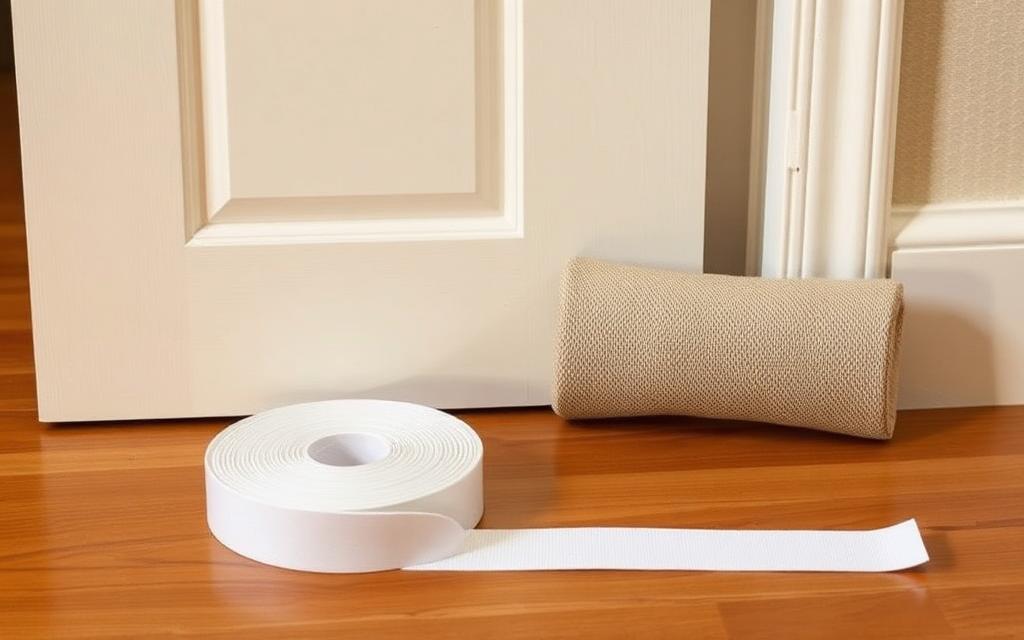
- Door thresholds, especially exterior doors that have settled over the years.
- Window frames and older sash windows.
- Unused fireplaces with open dampers, which can act like a permanently open window.
To find them, close all windows and doors, turn off combustion appliances, run kitchen and bathroom extractor fans to depressurize the house, then move a lit incense stick around suspect edges. Where the smoke pulls sideways, you have a leak.
What Each Fix Roughly Costs
| Fix | Effort | Typical impact |
|---|---|---|
| Thermostat setback schedule | Minutes | Substantial, and free |
| Weather stripping doors and windows | An afternoon | Noticeable on drafty homes |
| Sealing attic penetrations | A day | Often the biggest single win |
| Replacing furnace filters | Minutes, monthly | Protects efficiency and the system |
| Water heater temperature to 120F | Minutes | Steady year round saving |
| Adding attic insulation | Contractor job | Large, with a longer payback |
Service the System Before You Need It
Book the annual service in early autumn. Technicians are less busy, appointment slots are easier and any part that needs ordering arrives before the cold does rather than during it.
Between services, the filter is the single maintenance item that matters. A clogged filter restricts airflow, makes the system run longer for the same result and shortens its life. Check monthly during the heating season and replace as needed rather than on a fixed annual date.
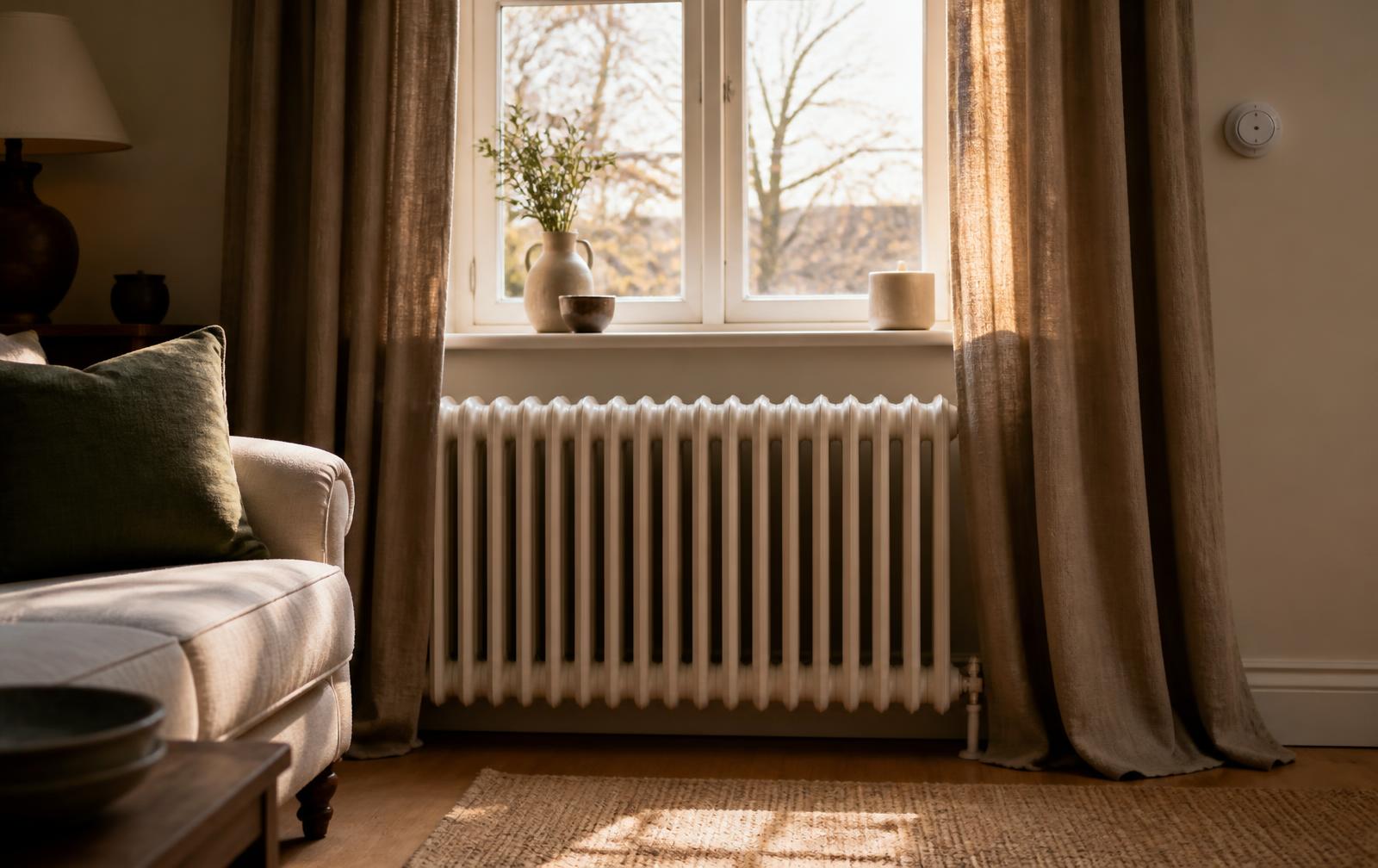
Bleed radiators in a hot water system if the tops stay cold while the bottoms heat, and make sure furniture and curtains are not covering radiators or vents. A sofa pushed against a radiator is an expensive piece of furniture.
Water Heating Is the Quiet Second Bill
Water heating is typically one of the larger energy costs in a home after space heating. Setting the tank thermostat to 120F rather than the higher factory default cuts standby losses and reduces scald risk.
Insulating the first few feet of hot water pipe leaving the tank is cheap and effective, as is an insulating blanket on an older uninsulated tank. Low-flow shower heads reduce hot water use without the weak trickle that older models produced.
Free Heat You Are Already Paying For
Open curtains on south-facing windows during sunny days and close them at dusk. That single habit uses solar gain during the day and adds a layer of insulation at night, and it costs nothing.
Reverse ceiling fans to run clockwise at low speed, which pushes warm air pooled at the ceiling back down along the walls. Close doors to unused rooms and shut their vents partially, though never close so many that you starve a forced-air system of return airflow.
Check What You Are Being Charged
Before winter, look at the rate you are on rather than only the amount you pay. Ask your utility whether budget billing or a level pay plan is available, which spreads winter costs across the year and removes the January shock.
Many utilities and state programs offer free or subsidized home energy audits, weatherization assistance and rebates on insulation, thermostats and efficient equipment. These are underused, largely because people assume they will not qualify. Checking takes one phone call.
A Weekend Plan That Covers Most of It
Almost everything worth doing before winter fits into two short sessions, and doing them in order avoids repeated trips to the hardware store.
Saturday morning is diagnosis. Walk the house with an incense stick or a damp hand on a breezy day and mark every draft you find with a piece of tape. Check the attic hatch, the loft insulation depth, the seals on exterior doors and the state of the furnace filter. Write a single shopping list at the end rather than three.
Saturday afternoon is sealing. Weather stripping on doors, caulk around window frames and static penetrations, expanding foam or a purpose-made cover on larger attic gaps, and a chimney balloon or damper check on an unused fireplace.
Sunday is systems. Change the filter, book the annual service if you have not, set the thermostat schedule to match the household routine, drop the water heater to 120F and insulate the first few feet of hot pipe.
Finish by photographing the meter reading. Comparing month to month against last year is the only honest way to know which of these changes actually moved your bill.
Frequently Asked Questions
How much can a thermostat setback save?
Department of Energy guidance suggests about ten percent a year from a seven to ten degree setback for eight hours daily.
Is it cheaper to leave heating on all day?
No, for typical homes. A cooler house loses heat more slowly, which outweighs the reheating cost.
What is the cheapest efficiency fix?
Sealing air leaks, particularly at the attic and around penetrations, followed by weather stripping doors.
How often should furnace filters be changed?
Check monthly during the heating season and replace when dirty rather than on a fixed schedule.
What temperature should a water heater be?
120F balances energy use, scald risk and hot water availability for most households.
Are home energy audits worth it?
Yes, especially where a utility or state program offers them free or subsidized alongside rebates.