Quick Answer
Qatar is expanding because it holds a share of the world's cheapest gas and wants to lock in long term buyers before a wave of rival supply lands.
The plan lifts nameplate capacity from roughly 77 million tonnes a year to 142 million tonnes a year, an increase of about 84 percent, built in stacked phases from the offshore North Field.
The phases are sanctioned and contracted rather than speculative, but the calendar has moved. Reporting in 2026 put first production from the initial phase in the fourth quarter at the earliest, with the final phase now guided toward the early 2030s.
What the North Field Actually Is
The North Field is the offshore portion of the largest single non associated gas structure on the planet, shared with Iran, where the same reservoir is called South Pars.
Qatar's advantage is not just size. The gas is shallow, rich in liquids and close to shore, so the cost of getting a tonne of LNG onto a ship is among the lowest in the industry.
That cost position is the whole strategy. In a market where prices swing violently, the lowest cost producer can keep selling when higher cost projects have to idle.
How the 142 Million Tonne Target Is Built
The expansion is not one project. It is a series of tranches, each with its own investment decision, partner group and construction contract.
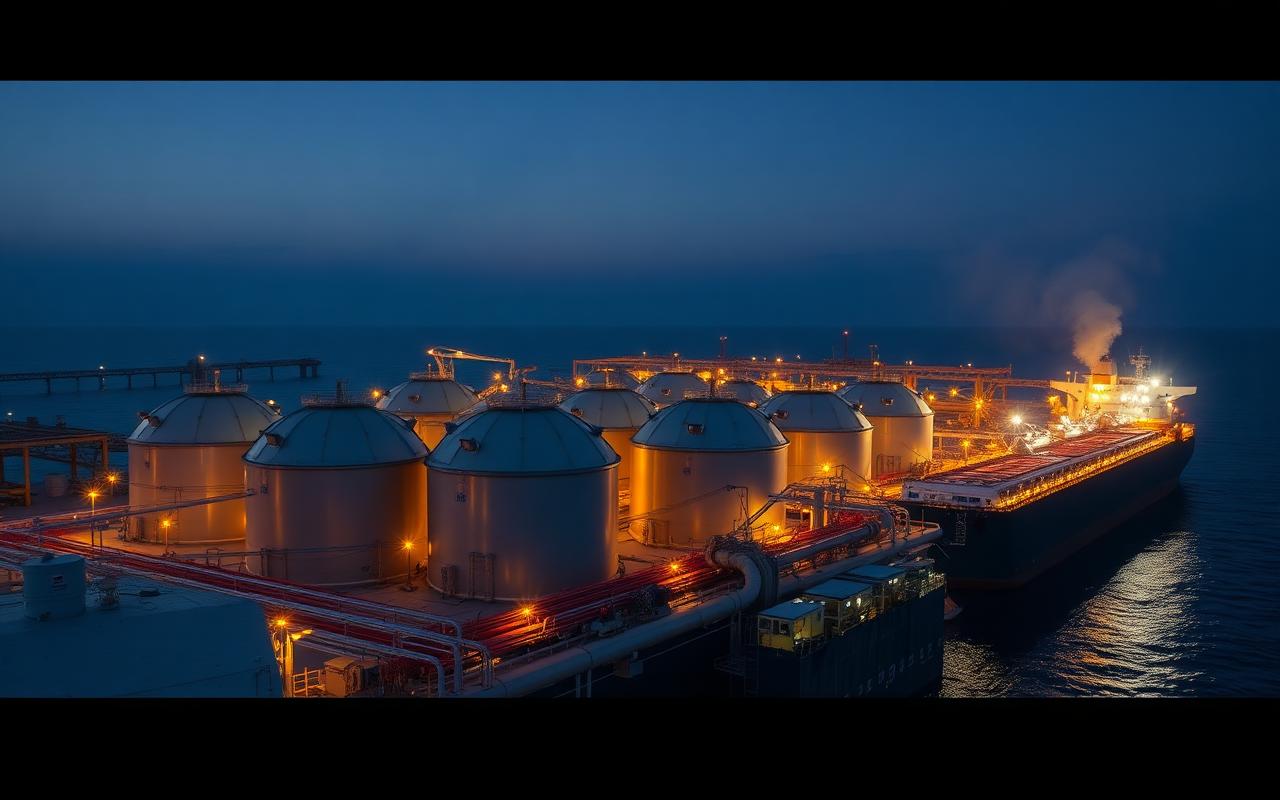
- North Field East: the first tranche, adding four large trains and taking capacity from about 77 to 110 million tonnes a year.
- North Field South: two further trains layered on top of that base.
- North Field West: announced in February 2024, adding a further tranche and completing the path to 142 million tonnes.
Each tranche uses the same industrial template at Ras Laffan, which is deliberate. Repeating a proven train design is how Qatar keeps unit costs down and schedules broadly predictable.
Why the Timeline Has Slipped
Reporting in February 2026 indicated that production from the first tranche had moved from the third quarter to the fourth quarter, with a risk of slipping into 2027.
Later in the same month, trade press covering the final tranche reported that first exports from North Field West were being guided toward the end of 2031, later than earlier expectations.
None of that is unusual for projects of this size. Trains of this scale involve years of module fabrication, marine work and commissioning, and a delay of one or two quarters on a decade long build is a rounding error in engineering terms.
It is not a rounding error for buyers. Every quarter of delay keeps the global market tighter than it would otherwise be, which supports prices for everyone else selling into Europe and Asia.
Who the Gas Is For
Qatar has signed unusually long supply deals, several running well past 2050, with buyers in China, India and Europe. Long contracts are the point rather than a side effect.
A 27 year contract turns a multibillion dollar construction bill into a predictable revenue stream, which lowers the cost of financing the build in the first place.
European buyers have been more reluctant, partly because of climate rules that make decades long fossil commitments politically awkward. Asian demand growth has filled much of that gap.
What Could Go Wrong
The obvious risk is timing. A very large volume of new supply from Qatar and from the United States is scheduled to arrive in a narrow window later this decade.
If those projects all land near schedule while demand growth softens, the market can flip from tight to oversupplied quickly, and prices fall hardest for the highest cost sellers.
Qatar's answer is cost. If prices crash, low cost molecules still clear. The strategy is less about winning a high price and more about surviving a low one with volume intact.
The second risk is geographic. Almost all of this output leaves through a single stretch of water, so shipping disruption in the Gulf has an outsized effect on global supply.
What It Means for Energy Prices
For households, the connection is indirect but real. Gas sets the marginal power price in many electricity markets, so a large, cheap new supply block tends to pull power prices down over time.
The effect is slow. Contracts are long, shipping is fixed and regional pipelines constrain where cheap gas can actually go, so the benefit shows up as a softer ceiling on price spikes rather than an immediate cut in bills.
The clearer near term signal is volatility. More supply from more sources generally means fewer violent price spikes, which matters more to industrial buyers than the headline number does.
How Qatar Compares With Other Exporters
The United States overtook Qatar on export volume in recent years, but the two run very different business models, and the difference matters more than the ranking.
American cargoes largely come from tolling arrangements, where a buyer pays a fee for liquefaction and takes the price risk on the gas itself. Qatari volumes are sold mostly under long, destination linked contracts priced against oil or gas indices.
Australia sits somewhere in between, with high operating costs and fields that are further into decline. Those cost differences decide who keeps producing when prices fall.
The practical takeaway for anyone reading energy headlines is that headline capacity rankings say little about resilience. Contract structure and unit cost say much more.
What to Watch Next
Three signals will tell you whether the plan is landing on schedule.
- First cargo timing: confirmation of the first commissioning cargo from the initial tranche is the cleanest evidence the build is on track.
- New contract announcements: each long term sale locked in before startup lowers the volume Qatar has to sell into the spot market.
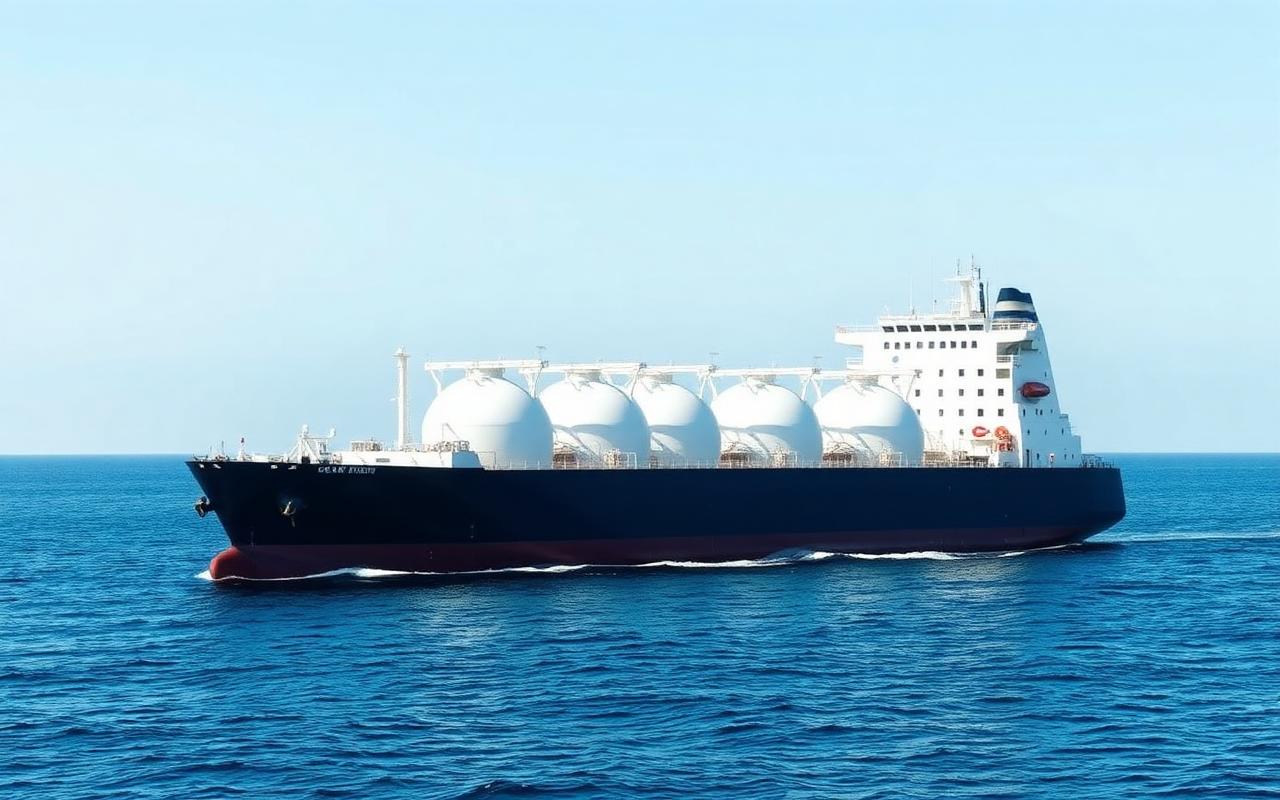
- Shipping orders: the newbuild carrier programme has to arrive alongside the trains, because capacity without ships does not reach a customer.
Watching those three items is more useful than tracking daily price moves, because they show whether the supply wave arrives early, late or in pieces.
FAQ
How much LNG does Qatar export today?
Qatar shipped roughly 77 million tonnes in 2025, which is close to a fifth of seaborne LNG worldwide.
When does the expansion finish?
The first tranche was guided to start producing around the end of 2026, and the final tranche has been signalled for the early 2030s, so the full 142 million tonnes is a next decade number rather than a 2026 one.
Is the expansion already funded?
Yes. Each phase has taken a final investment decision with named partners and awarded engineering and construction contracts, which is a different position from projects still seeking buyers.
Does this replace Russian gas in Europe?
Partly, but not neatly. Qatari cargoes can go anywhere, and buyers in Asia have signed the longest deals, so European supply depends on price competition rather than a fixed allocation.