Quick Answer
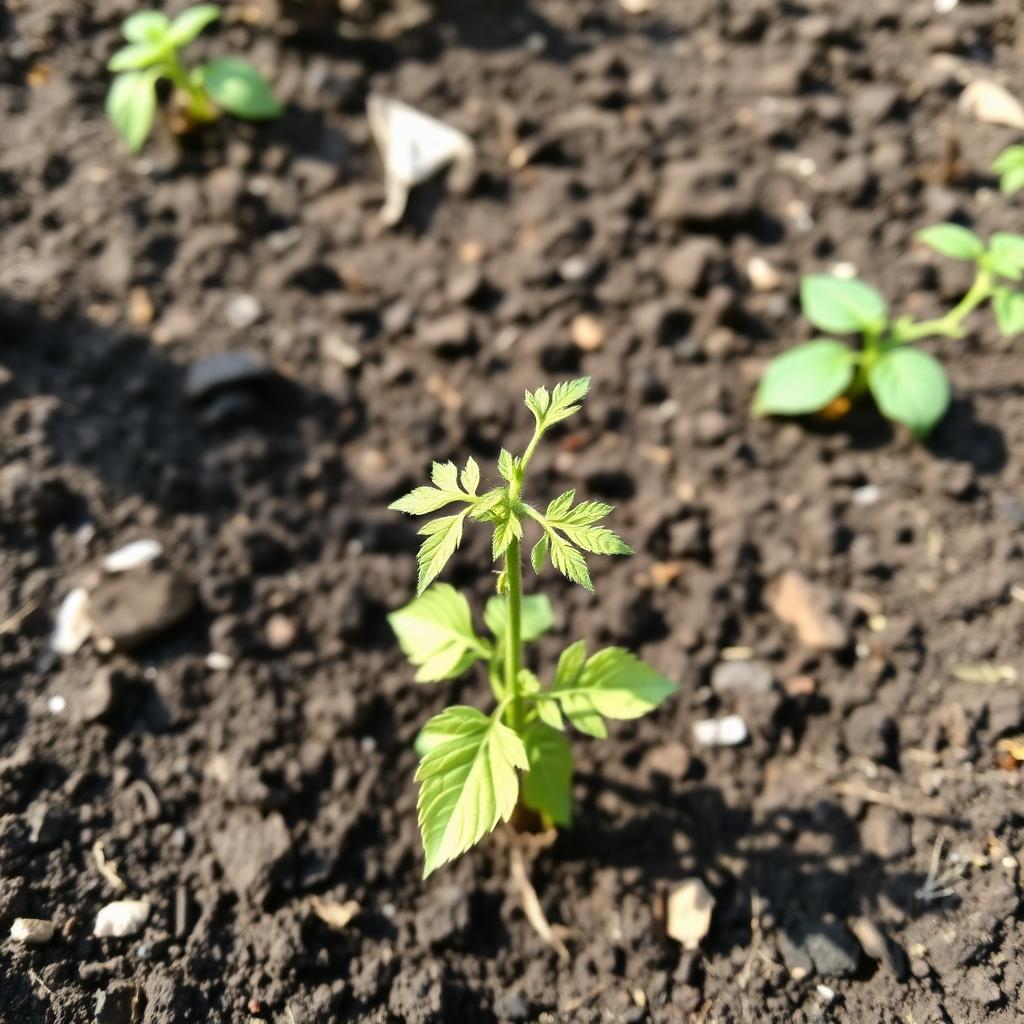
A tomato plant that refuses to grow is almost always reacting to cold soil, locked up nutrients, soggy roots, or a cramped pot. Tomatoes are tropical and stop dead when soil temperature drops below 15 degrees Celsius or night air drops below 12.
Diagnose by looking at the leaves. Purple veins point to phosphorus lockout, pale yellow points to nitrogen shortage or waterlogged roots, and a healthy looking plant that just sits still usually needs more warmth.
Tomatoes Are Heat Lovers
Tomatoes originated in the warm valleys of South America. Roots can absorb water and nutrients only when the soil is warm enough to drive active growth. Below 15 degrees Celsius the plant essentially holds its breath.
If you planted out in early spring while nights were still chilly, your seedling is most likely fine. It is waiting for the soil to wake up. A pair of floating row covers, clear plastic cloches, or even gallon jugs with the bottoms cut off will trap warmth and jump start growth.
Phosphorus Lockout and Purple Leaves
If lower leaves and stems take on a dull purple or deep red tint along the main veins, the plant is showing phosphorus deficiency. Often there is plenty of phosphorus in the soil, but cold or waterlogged conditions stop the roots from absorbing it.
Warm the soil with a dark mulch like compost or aged manure and the symptoms usually fade on their own. If soil is already warm, water in a phosphorus rich organic feed such as bone meal, fish emulsion, or a kelp and bone blend. Avoid high phosphorus synthetic fertilizers, which release a salt spike that can scorch tender roots.
Soggy Roots and Compacted Soil
Roots need oxygen as much as they need water. Constantly wet soil drowns them and invites bacterial wilt and root rot. Heavy clay soil compacts so tightly that even occasional watering leaves the root zone airless.
Let the top two inches of soil dry between waterings. Stick a finger in before reaching for the hose. Mix generous amounts of compost, aged bark, or coarse sand into clay beds before planting so the root ball has space to breathe.
Root Bound Transplants
Seedlings sold in tiny plastic six packs are often pot bound by the time you bring them home. The roots spiral around the bottom in a dense mat that cannot escape into garden soil after transplant.
Before planting, gently massage the root ball or use clean fingers to tease the outer roots free. If the mat is severe, slice the bottom inch off with a sharp knife or score the sides vertically in three or four places. The plant will sulk for a couple of days then explode with new roots into the surrounding soil.
Nitrogen and Watering Sweet Spot
Pale green or yellowing leaves with stunted growth signal nitrogen shortage. Side dress with composted manure, liquid kelp, or a balanced organic vegetable fertilizer. Avoid pumping in too much nitrogen because excess produces lush foliage and very few fruits.
Water deeply but less often. A long soak twice a week pulls roots downward and builds drought resilience. Daily light sprinkles keep roots near the surface where they bake in summer heat.
Other Common Causes
- Container too small: A 5 gallon pot is the minimum for a single tomato. Smaller pots dry out fast and starve the roots.
- Too much shade: Tomatoes need 6 to 8 hours of direct sun. Crowded gardens or shifting tree canopy can rob them of light.
- Herbicide drift: Lawn weed killers carried on wind cause twisted, stunted new growth. Recovery is slow and sometimes impossible.
- Pest damage: Cutworms, root knot nematodes, and aphids weaken plants. Check the base and undersides of leaves regularly.
The Takeaway: A Recovery Plan
- Confirm soil temperature with a cheap probe thermometer. Below 15 degrees Celsius, add a cloche and wait.
- Check the root zone for soggy or compacted soil and improve drainage.
- Identify the leaf color symptom and feed the matching nutrient.
- Mulch with 2 inches of straw to stabilize moisture and warm the soil further.
- Give the plant two weeks. Most stalled tomatoes restart growth quickly once their conditions are corrected.
Tomatoes want to grow. Diagnose the bottleneck, fix it once, and the rest of the season usually takes care of itself.