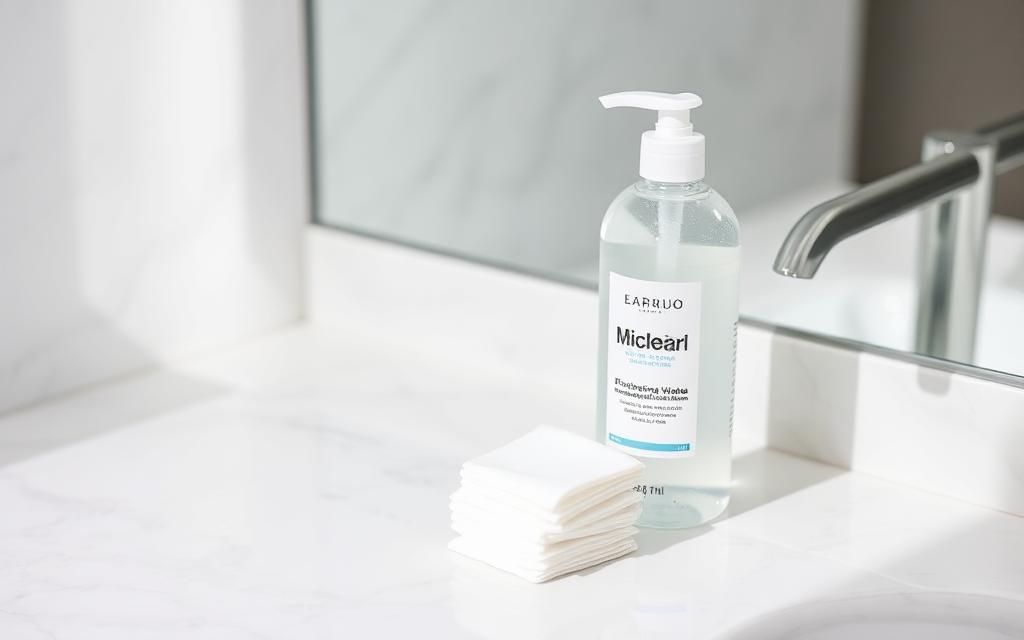
Quick Answer
Micellar water expires because the surfactants that lift away makeup and oil break down over time, and the preservatives that keep bacteria out lose their power. Once either fails, the product stops cleansing properly and can start to irritate the skin.
The water itself does not "go off" the way milk does. The risk is that contaminated, weakened liquid is being applied directly to the face, often around the eyes, where the skin is thin and easily disrupted.
The short answer
Micellar water expires because the surfactants that lift away makeup and oil break down over time, and the preservatives that keep bacteria out lose their power. Once either fails, the product stops cleansing properly and can start to irritate the skin.
The water itself does not "go off" the way milk does. The risk is that contaminated, weakened liquid is being applied directly to the face, often around the eyes, where the skin is thin and easily disrupted.
What is actually inside the bottle?
Micellar water is mostly purified water with tiny spheres of mild surfactants called micelles. Each micelle traps oil and dirt in its center while the outside stays water friendly, which is what makes the formula feel so gentle. Add a small amount of preservative, sometimes a humectant like glycerin, and a faint fragrance, and you have the full product.
The most common surfactants used are poloxamer and hexylene glycol, both chosen because they cleanse without foaming and rinse cleanly. The most common preservatives are phenoxyethanol, ethylhexylglycerin and, in some formulations, a small percentage of disodium EDTA to bind metals.
What goes wrong as it ages?
- Surfactants slowly hydrolyze, so micelles no longer form cleanly. Cleansing power drops.
- Preservatives lose potency, allowing bacteria, yeast and mold to grow inside the bottle.
- Fragrance compounds oxidize, which can cause stinging, redness and contact dermatitis.
- The formula may turn cloudy, separate into layers or develop a sour, off smell.
- The pH of the water can drift as preservatives break down, making the product more or less acidic than the formulator intended.
How to read the PAO symbol?
Look for a small open jar icon on the bottle with a number inside, such as 6M or 12M. That stands for Period After Opening: the number of months the product is safe and effective once you break the seal. Most micellar waters land between 6 and 12 months.
The PAO clock starts the moment the bottle is opened, not the moment it is bought. A bottle that sat unopened in your cabinet for two years still has its full window once you crack the seal, assuming it was stored cool and dark. A bottle opened the day you bought it and left in a sunny bathroom can degrade in half the listed time.
Why expired skincare hurts your barrier?
Applying degraded micellar water can leave a residue that disrupts the skin's lipid barrier. Over time, that shows up as tightness, flaking, breakouts and increased sensitivity to other actives in your routine. The eye area is especially vulnerable, since the skin there is thinner and the eyes themselves can react to bacterial contamination with redness and styes.
People who use micellar water as a "no rinse" cleanser are at higher risk, because any leftover residue stays on the skin all day. Rinsing after use, even with a quick splash of water, reduces the exposure significantly.
How to extend the shelf life?
- Store the bottle in a cool, dark cabinet rather than on a sunny bathroom shelf.
- Keep the cap closed tightly between uses to limit air exposure.
- Use a clean cotton pad each time. Reusing pads or fingers introduces bacteria into the bottle.
- Never decant the product into a smaller travel bottle that has not been sterilized.
- Write the open date on the bottle with a permanent marker so you do not have to guess.
Signs you should throw it out
Trust your senses. If the liquid has changed color, gone cloudy, separated, smells different or stings when you apply it, replace it. Even if the PAO window is technically open, those changes mean the formula has started to break down.
Allergic reactions to a product you used to tolerate are another red flag. As preservatives weaken, formerly inert ingredients can oxidize into compounds your immune system reads as foreign.
How micellar water compares with other cleansers?
Micellar water is gentler than most foaming cleansers because the surfactants are mild and present in small amounts. That gentleness is also why it expires faster than, say, a sulfate based body wash that contains stronger preservatives at higher levels. The trade off for kindness to skin is shorter shelf stability.
Cream cleansers and oil cleansers usually have longer open windows because they contain less water and therefore offer fewer growth opportunities for bacteria. Pure powder cleansers can last years because they activate only when mixed with water at use.
The travel bottle mistake
One of the fastest ways to spoil micellar water is to decant it into a generic travel bottle. Most travel bottles are not sterile, and the act of pouring introduces bacteria that the smaller volume of preservative cannot keep up with. If you must travel with micellar water, look for a small original sized bottle, or a sterile single use cleansing pad pack designed for the same purpose.
What to look for when buying?
- An opaque or tinted bottle, which slows light driven degradation.
- A pump or narrow opening rather than a wide mouth, which limits air exposure.
- A clearly printed PAO icon on the back.
- A short, recognizable ingredient list. Fewer ingredients means fewer points of failure.
The takeaway
Write the open date on the bottle with a marker. When you reach the PAO window or notice color, smell or texture changes, replace it. A fresh bottle is a tiny investment compared with rebuilding a damaged barrier or treating an eye infection. Treat micellar water like food in the fridge: cool, sealed, and used within its window.
Quick recap
Use this as the short version to save or share. The key facts above explain the why and the how, but the practical takeaway is simple: small habits and small ingredient choices compound. Make the change once, and your future routine gets a little easier and a little better every time you repeat it.
If you found this helpful, browse the related answers below for more everyday questions broken down the same way. Every article on dmbio is researched and updated when new evidence comes in, so you can come back to the same page months later and trust that the answer still holds.