Quick Answer
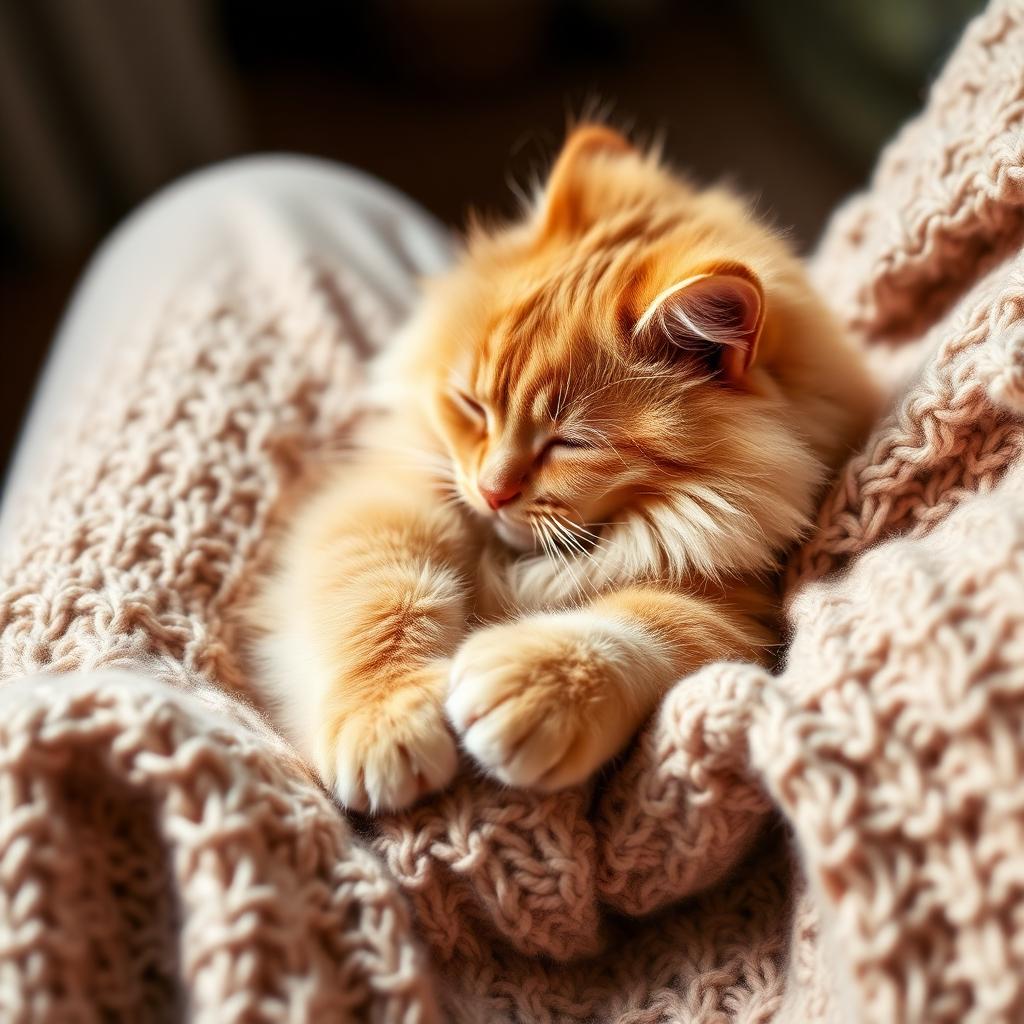
Your cat makes biscuits on you because you have become one of their safe spots. Cats only knead on people they trust deeply. The motion is rooted in nursing memory, when kneading the mother triggered milk flow and warmth. As adults, cats repeat the behaviour with humans they associate with the same security, often paired with purring, slow blinking, and settling in for a nap.
There are two extras at play when the surface is you specifically. Your body warmth mimics the temperature of a nursing mother, and cats have scent glands in their paws that mark you as part of their territory while they knead.
It is the highest comfort behaviour a domestic cat gives, and it almost always means the same thing: you are family in their eyes.
Why you in particular
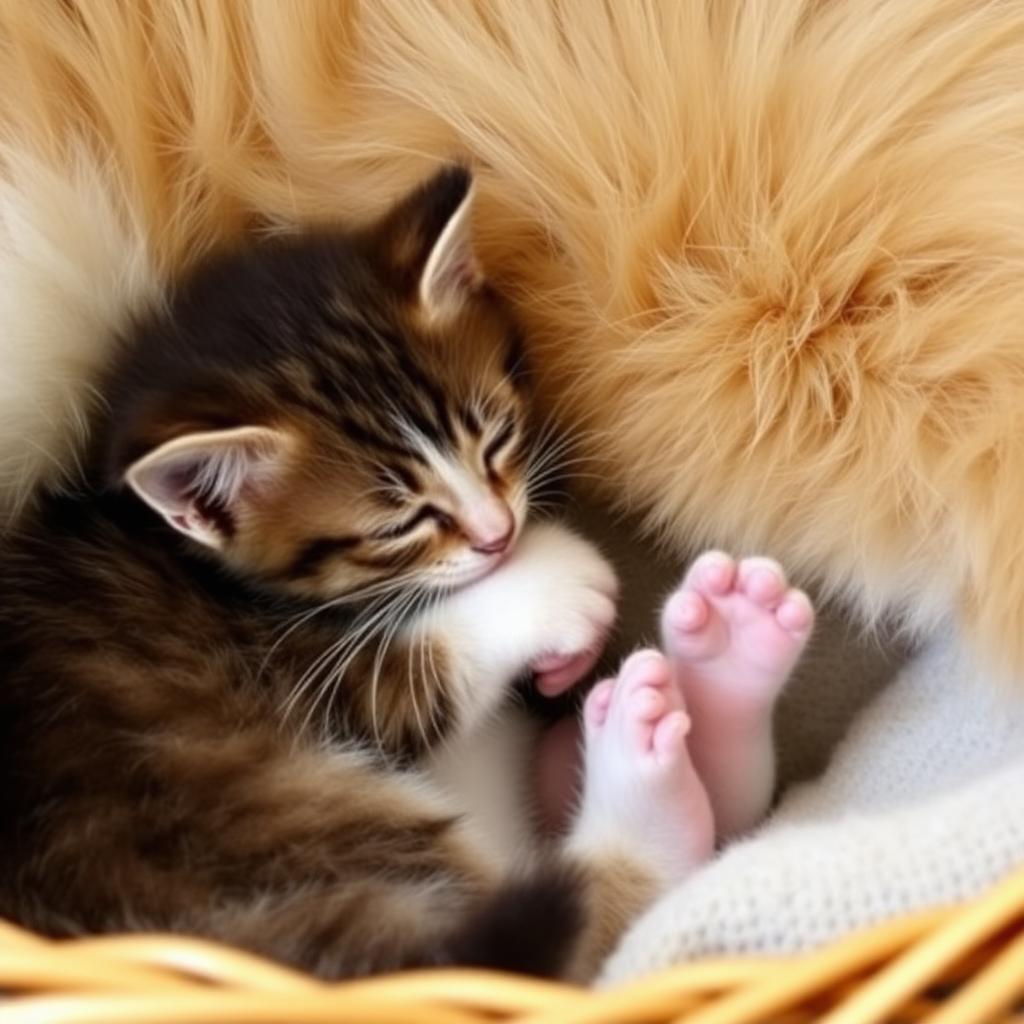
Cats do not knead on people at random. The choice is driven by three factors:
- Warmth. A human lap or chest sits at around 92 F (33 C), close to the temperature of a nursing mother cat.
- Texture. Soft clothing, especially fleece or knit, mimics the feel of a mother's belly fur.
- Familiar scent. Your scent is the constant marker that you are safe. Cats are scent led animals and rely heavily on smell to identify their family group.
If a cat repeatedly picks one person in a household to knead on, that person is almost always the cat's primary attachment figure.
The trust signal explained
Kneading puts a cat in a vulnerable position. Their front paws are committed to the motion, their attention is on the surface, and their belly is often exposed. In the wild, cats only enter that state in spots they have judged completely safe. By kneading on you, the cat is telling you that they have lowered their natural guard.
Pair this with purring, which itself is a self soothing vibration in the 25 to 50 Hz range that releases endorphins, and you have a cat in their most relaxed possible state. Some cats add drooling, a leftover nursing reflex that signals the deepest level of contentment.
What if my cat only kneads on certain people
Cats form selective bonds based on scent, voice, and predictable behaviour. The person a cat kneads on is usually the one who:
- Speaks at a calm volume around them.
- Moves slowly and predictably nearby.
- Provides food or initiates daily play sessions.
- Lets the cat approach first rather than picking them up.
If you want to encourage kneading from a more distant cat, focus on slow blinking, hand offered sniff greetings, and a consistent quiet routine. Trust in cats is built in small repeated moments, not single big gestures.
Why the claws come out
Claws extending during kneading is part of the original nursing motion. Kitten claws are soft enough not to hurt the mother. Adult claws are sharper, so the same motion that was gentle then can puncture skin now.
It is not aggressive. The cat is not trying to hurt you. Simple solutions:
- Slide a folded blanket over your lap before the cat settles.
- Wear thicker clothing when the cat is in a kneading mood.
- Keep claws trimmed every 3 to 4 weeks. Smooth tips do not snag fabric or skin.
- Use soft claw caps if trims do not stick.
Never punish the kneading or yell when claws snag. That breaks the trust the gesture is built on.
When kneading turns into a head bonk or face nuzzle
A cat that kneads, then leans up to bonk their forehead against your chin, is layering on scent marking. Cheek and forehead glands release pheromones that label objects, and people, as part of the cat's familiar circle. It is the polite cat version of putting a name tag on you.
Should I move when my cat is kneading on me
Try not to. Sudden shifts can spook the cat out of the comfort state and they may not settle again in the same session. If you have to move, do it slowly with verbal warning. Most cats accept a gentle nudge and resettle within a minute.
Common myths about cats kneading on humans
- Myth: kneading means the cat is hungry. Kneading is comfort, not a feeding request. The two behaviours look nothing alike to cats.
- Myth: only cats weaned too early knead. Most adult cats knead regardless of weaning timeline.
- Myth: kneading on you is a dominance display. Cats do not have a dominance hierarchy with humans in the same way dogs are sometimes described. Kneading is bonding, not status.
- Myth: a cat who never kneads on you does not love you. Some cats simply prefer kneading on inanimate soft surfaces. Affection shows in many other ways too.
How to enjoy the moment
Sit still, breathe slowly, and let the cat set the pace. A soft slow blink in their direction reinforces the bond. Quiet talking is fine. Loud noises, sudden phone notifications, or standing up too quickly all break the spell. The session usually lasts 2 to 10 minutes before the cat curls down to sleep on the spot.
Frequently asked questions
Why does my cat only knead on me at night?
Cats often perform their deepest comfort behaviours at the start of long sleep periods. Evening kneading lines up with the cat's natural twilight rest cycle.
My cat kneads me but never my partner. Why?
Scent and routine. The person who feeds, plays, and speaks quietly around the cat most often becomes the primary attachment figure.
Is kneading painful for the cat?
No. It is a comfort behaviour and triggers endorphins. The motion is enjoyable for them.
Should I let my cat knead on my face?
Better to redirect to your chest or lap. Cat claws near eyes can be risky, and the scent marking is just as effective on other parts of the body.