Quick Answer
From 1 April to 30 June 2026 the Ofgem energy price cap for a typical UK household paying by Direct Debit is £1,641 a year, a drop of £117 (about 7 percent) from the previous quarter.
Wholesale energy costs fell by around £38 a year, but network costs rose by £66 a year under the new RIIO 3 price control, which pays for grid upgrades.
From April 2026 the cost of the Warm Home Discount has been moved out of the standing charge and into the unit rate, so heavy users will pay slightly more and low users slightly less.
The April to June 2026 Price Cap Explained
The headline price cap fell, which is genuinely good news after several brutal years. For a typical dual fuel household paying by Direct Debit, the annual energy bill is now capped at £1,641, a £117 saving on the January to March 2026 cap.
That works out at roughly £10 a month off the average bill. Here is how the unit rates break down:
| Fuel | Unit rate | Standing charge (daily) |
|---|---|---|
| Electricity | 24.67 p per kWh | 57.21 p |
| Gas | 5.74 p per kWh | 29.09 p |
Remember, the cap limits the maximum unit rate and daily standing charge, not your total bill. If you use more energy, you pay more.
Why Network Costs Are Rising
Households often ask why bills are not falling faster when wholesale prices drop. The answer is network investment. Ofgem confirmed that network costs are up by about £66 a year under the new RIIO 3 framework.
That money goes into upgrading the UK's ageing power and gas grids to support more renewable generation, more electric vehicles, and more heat pumps. The argument is that paying for that now keeps bills more stable in the long run.
Standing Charges vs Unit Rates
Standing charges, the fixed daily fee you pay just to be connected, have been a major source of frustration. From April 2026 the cost of the Warm Home Discount scheme has been shifted out of the standing charge and into the unit rate.
The practical effect: households that use less energy will see slightly lower bills, and households that use more will pay a little more. The change is designed to reward people who actively reduce consumption rather than penalising them with an unavoidable daily charge.
How to Manage Your Energy Bills
- Check your payment method. Direct Debit remains the cheapest way to buy energy. Pay on receipt of bill is typically more expensive.
- Monitor your tariff. The Ofgem cap only protects you on the standard variable tariff. With wholesale prices easing, fixed rate deals are becoming competitive again.
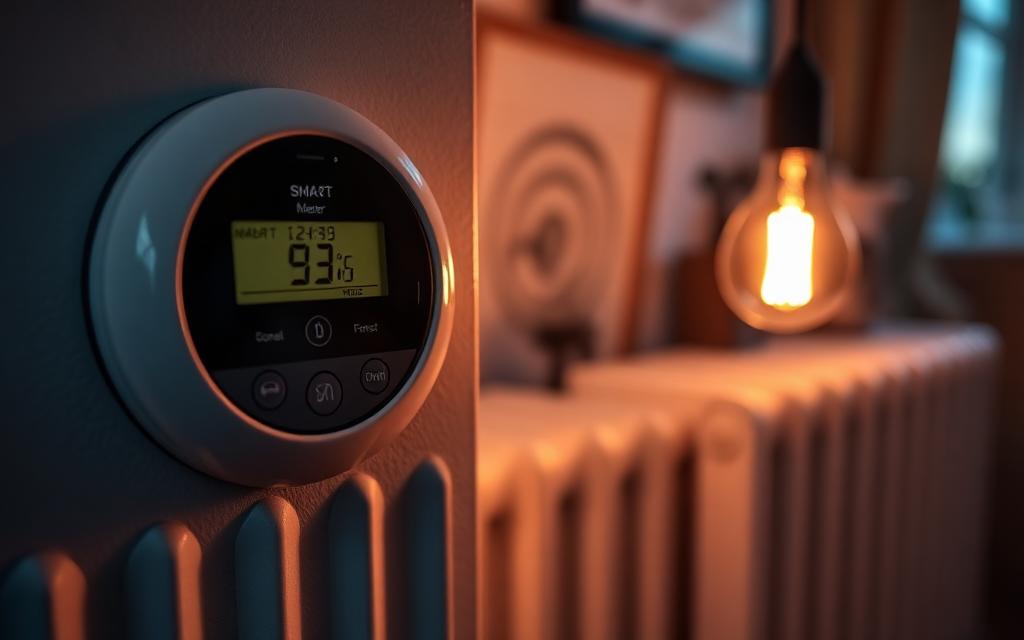
- Invest in efficiency. Smart thermostats, draft excluders, LED bulbs, and lagging hot water tanks compound into real annual savings.
- Submit accurate meter readings. Estimated bills are rarely in your favour. A monthly reading keeps your account accurate.
If You Cannot Pay
If you are struggling, do not ignore the bill. By law your supplier must help if you ask. They can offer tailored repayment plans, emergency credit on prepayment meters, and hardship fund referrals.
Also check that you are claiming everything you are entitled to: Winter Fuel Payment, the revised Warm Home Discount, and Cold Weather Payments when triggered in your area.
Frequently Asked Questions
Is the energy price cap going up or down in April 2026?
Down. The cap dropped by £117, bringing the typical dual fuel Direct Debit bill to £1,641 a year.
What is a standing charge?
A fixed daily fee that covers the cost of keeping your home connected to the grid, regardless of how much energy you use.
When will the next price cap be announced?
Ofgem will announce the July to September 2026 cap on 27 May 2026.
Why did my standing charge change in April 2026?
The government moved the cost of the Warm Home Discount out of the standing charge and into the unit rate to make the system fairer for low energy users.
The Bottom Line
The April to June 2026 cap brings real relief for UK households, but it is not the dramatic drop wholesale prices alone might suggest. Network upgrades and the rebalancing of standing charges and unit rates mean the headline £117 saving will land unevenly. Heavy users may barely notice it, while careful low users will benefit most. Now is a good time to compare fixed rate tariffs, tighten up efficiency, and make sure you are claiming every support payment available.