Quick Answer
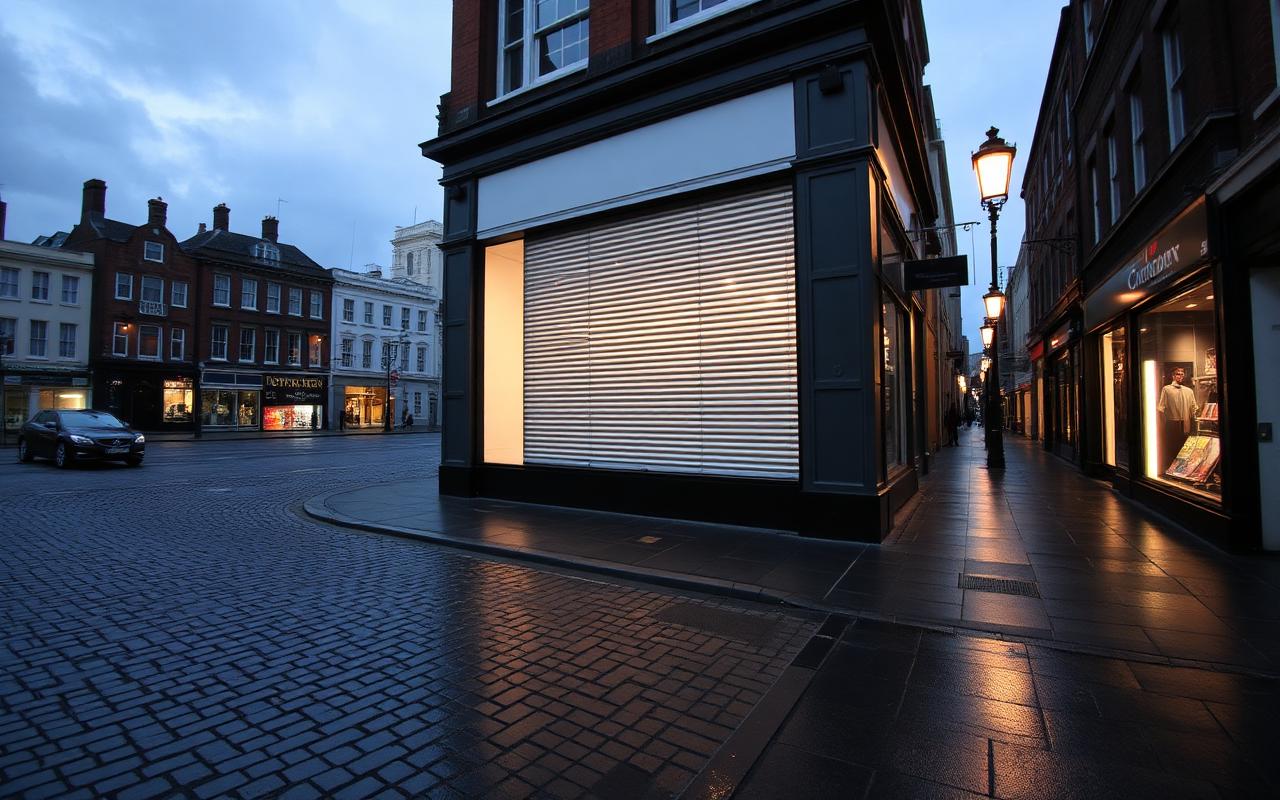
Marks and Spencer is not in trouble. The 2026 store closures are part of a deliberate "estate rotation" strategy, swapping shrinking town centre clothing and home stores for larger out of town Simply Food halls and digital fulfilment.
At the same time, HM Revenue and Customs is going through its biggest digital overhaul in a decade: a £175 million, 10 year sovereign AI and data deal with UK firm Quantexa, plus mandatory registration for tax advisers from May 18, 2026.
Together, these stories show a UK economy where heritage brands and government departments are quietly rebuilding around data, automation and out of town footfall.
Why are Marks and Spencer store closures still happening?
The current wave of M&S closures is not a sign of distress. It is the late stage of a five year transformation plan that began earlier in the decade. The retailer calls it estate rotation: closing tired town centre stores and opening modern food halls in retail parks.
- Footfall has moved: Shoppers favour retail parks for free parking, easier access and bigger layouts.
- Food keeps outperforming: M&S Food has consistently grown faster than clothing and home, so capital is being redirected to new food halls.
- Digital does the heavy lifting: A large share of clothing revenue is now online, reducing the need for huge brick and mortar showrooms.
For the affected towns, the impact is real. A closed M&S anchor often signals a wider high street decline. For the company, however, analysts widely agree this discipline is exactly what saved it from the fate of Debenhams and BHS.
What did HMRC just sign with Quantexa?
In May 2026, HM Revenue and Customs signed a £175 million, 10 year contract with UK based data and AI firm Quantexa to build a "sovereign" AI and data platform. The aim is to make HMRC the most AI enabled tax authority in the world.
| Area | What changes | Why it matters |
|---|---|---|
| Fraud detection | Connects siloed datasets to spot hidden links | Harder for evaders to stay invisible |
| Casework efficiency | Automates routine checks | Frees staff for complex cases and customer service |
| Data sovereignty | UK based infrastructure and governance | Sensitive citizen data stays under UK rules |
The deal is being framed politically as a UK tech win as well, since Quantexa is a domestic firm rather than a US hyperscaler.
What is the new tax adviser registration rule?
Alongside the AI investment, HMRC has rolled out a mandatory registration requirement for all tax advisers from May 18, 2026. Anyone you pay to interact with HMRC on your behalf must hold an Agent Services Account (ASA).
The reform is designed to:
- Push rogue and unqualified agents out of the market.
- Give HMRC the ability to issue financial penalties to unregistered agents.
- Raise the bar on professional standards across accounting and tax advice.
If you use an accountant, the practical step is simple: ask them to confirm they have an Agent Services Account before you sign anything new.
What does this mean for UK consumers and businesses?
The two stories are connected. Both are about institutions stripping out legacy weight and rebuilding around data and modern channels.
- For shoppers: Expect fewer big M&S clothing floors in town centres and more food driven sites in retail parks.
- For business owners: Tax compliance will get more data led, with fewer hiding places for under reported income.
- For taxpayers: Better fraud detection should, in theory, fund services without raising headline rates.
The bottom line
Marks and Spencer is shrinking its high street footprint to grow profit, while HMRC is using AI and stricter agent rules to tighten the tax net. If you live in the UK, both shifts will quietly shape where you shop and how your taxes are checked for years to come.
The Marks and Spencer Restructuring
M&S has announced a fresh wave of legacy store closures as part of its long running estate transformation. Affected branches are concentrated in smaller high street locations where footfall has not recovered to pre pandemic levels.
What Replaces the Closed Stores
- Larger destination format stores in retail parks with parking.
- Food halls in city centre locations focused on convenience shopping.
- Expanded online fulfillment infrastructure supporting next day delivery.
HMRC's AI Push
HM Revenue and Customs has accelerated deployment of artificial intelligence tools across compliance, customer service, and fraud detection. The 2026 rollout includes automated case triage, natural language chat assistance for self assessment queries, and pattern recognition models that flag high risk returns for human review.
What Taxpayers Should Expect
- Faster initial responses to common queries through AI chat assistance.
- More targeted compliance letters, with fewer broad fishing inquiries.
- New explanatory guidance whenever an AI tool contributes to a decision.
The Connection Between Both Stories
On the surface, retail closures and tax administration share little. Look closer and a pattern emerges. Both organizations are responding to the same pressures: rising operating costs, changing customer behavior, and the availability of technologies that allow large scale operations to run with fewer physical touchpoints.
Implications for Workers and Communities
M&S has pledged to redeploy as many affected colleagues as possible to nearby stores or the expanding distribution network. HMRC has committed that AI tools will augment rather than replace its workforce, although unions remain cautious about how those commitments hold up over time.
What to Watch Next
Both stories will continue to develop through 2026. Watch for M&S to publish updated trading statements that quantify the impact of closures, and for HMRC to release its first formal evaluation of AI assisted compliance outcomes. Together they offer a snapshot of how the UK economy is reorganizing around technology in real time.