Quick Answer
Federal authorities have identified the gunman in the Saturday, May 23, 2026 White House perimeter shooting as 21-year-old Nasire Best of Maryland.
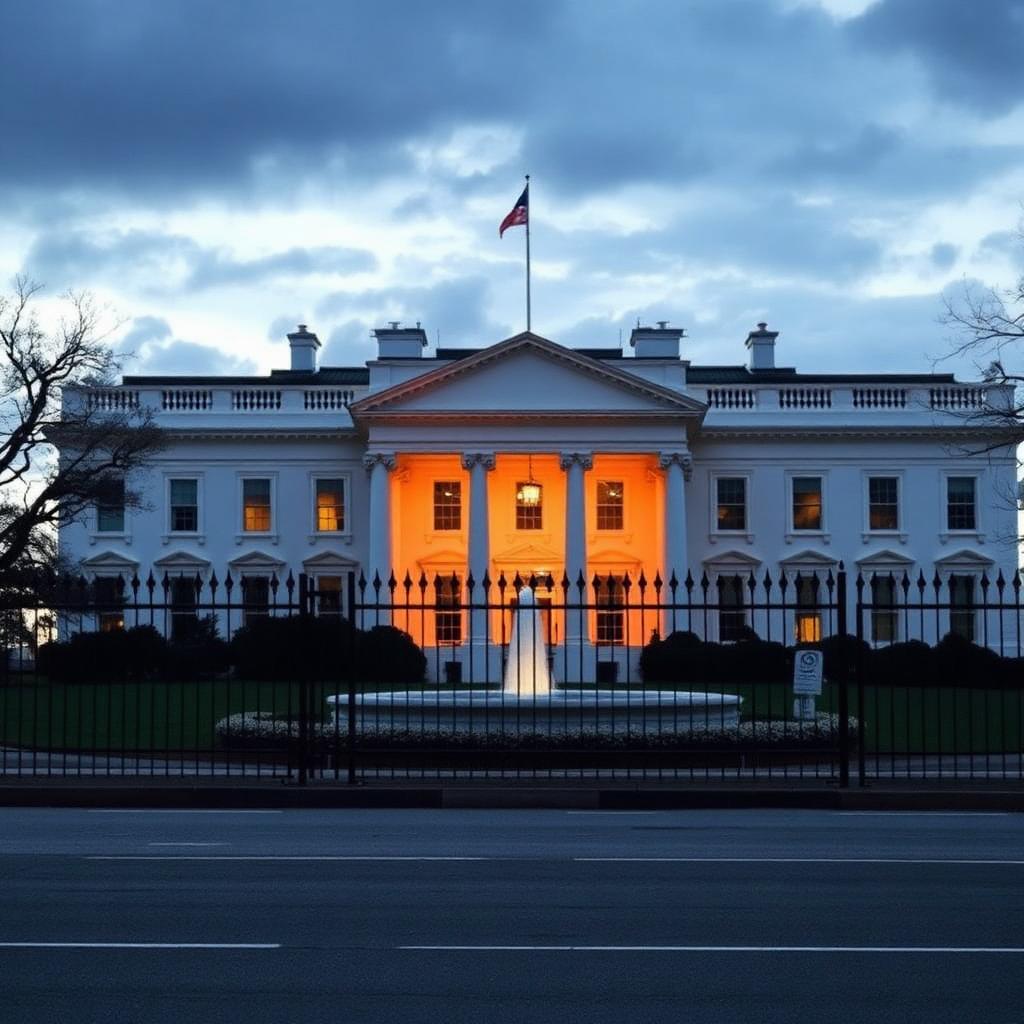
According to law enforcement statements and reporting on the early stages of the investigation, Best opened fire at a Secret Service security checkpoint near 17th Street and Pennsylvania Avenue NW at around 6:00 p.m. Eastern Time. Uniformed Secret Service officers returned fire and neutralized him at the scene. He was pronounced dead a short time later.
Officials have described Best as a young man with a documented history of mental illness and prior, non violent encounters with the Secret Service. The FBI Washington Field Office is leading the investigation, with support from the Secret Service and the Metropolitan Police Department. A motive has not been officially confirmed.
What Federal Authorities Have Confirmed
The official, on the record picture as of publication is narrow on purpose. Investigators are working under standard protocols that prioritize verified facts over speculation.
- Identity. The gunman has been identified as Nasire Best, age 21, of Maryland.
- Location. The incident occurred near the security perimeter at 17th Street and Pennsylvania Avenue NW, on the western edge of the White House complex.
- Timing. The first shots were fired at approximately 6:00 p.m. Eastern Time on Saturday, May 23, 2026.
- Response. Uniformed Secret Service officers engaged Best at the perimeter and ended the active threat without the suspect breaching the complex.
- Outcome for the suspect. Best was struck by return fire and pronounced dead after being transported to a regional hospital.
- Casualties. One civilian bystander was reportedly struck by a stray round during the exchange and is expected to survive. No Secret Service personnel or White House staff were injured.
What Is Reported but Not Yet Formally Confirmed
A number of details that often appear in the first hours of an incident like this are still in the "reported by named sources" category and should be treated cautiously until they appear in an official law enforcement release.
- The exact firearm used and how it was obtained.
- The specific motive, including whether any political or ideological component was involved.
- The number of rounds fired in total, beyond initial witness estimates of 20 to 30.
- Any contact Best may have had with mental health services or law enforcement in the days immediately before the incident.
Best's Prior Encounters with the Secret Service
Reporting from federal sources indicates that Best was already known to the Secret Service before Saturday's shooting. The publicly described pattern includes two prior incidents in 2025.
In June 2025, Best was reportedly detained by federal officers after approaching a Secret Service detail outside the White House perimeter and making explicit verbal threats against government officials. He was referred for evaluation but not held long term.
In July 2025, less than a month later, he was arrested after entering a restricted security buffer area outside the White House grounds. That arrest produced trespassing charges and additional psychological evaluations.
Neither prior incident, on its own, would normally trigger a long term federal detention. Together, they form the kind of pattern investigators now have to explain: what changed between those earlier interactions and Saturday's shooting, and whether the inter agency systems built to flag escalating behavior worked as intended.
The Investigation: Who Does What
Three agencies are leading the post incident work, each with a clear lane.
- FBI Washington Field Office. Lead investigative agency. Responsible for forensic processing, firearm tracing, digital evidence review, and any threat to life follow up.
- United States Secret Service. Owns the physical scene at the White House perimeter and the protective context. Conducts the internal review of how the encounter unfolded and whether protective posture should change.
- Metropolitan Police Department. Manages the outer cordon, traffic and pedestrian closures along Pennsylvania Avenue, and any local follow up tied to civilian injuries.
FBI Director Kash Patel said in a public statement on Saturday evening that the bureau was on scene supporting the Secret Service and would update the public as more information became available. That phrasing, familiar from prior federal incidents, signals that the agency is in the verification phase, not the announcement phase.
How These Investigations Usually Unfold
The public sequence after an incident like this tends to follow a predictable arc.
- Scene security and immediate casualty care.
- On the record confirmation of the President's status and complex integrity.
- A joint initial statement from Secret Service and FBI confirming the basic facts.
- Within 24 to 72 hours, official identification of the suspect and a preliminary read on the firearm used.
- Over the following weeks, a more complete picture of motive, mental health history, and any prior warning signs.
- In the longer term, an internal Secret Service review and, when relevant, congressional briefings.
What This Means for Central Washington
For anyone in central Washington in the days after the incident, a few practical points still apply. The area immediately around Lafayette Square and the western side of the complex is likely to remain under tighter access controls while forensic teams complete their work. White House public tours and group visits may be rescheduled. Metro stations in the immediate area (Farragut West, McPherson Square, Federal Triangle) may see temporary entrance closures, and WMATA alerts are the most reliable real time source.
Important Note
This article summarizes the publicly available facts as of publication. Details from active federal investigations can change as more evidence is processed and as the FBI, Secret Service and MPD issue updated statements. Treat any unattributed social media claims about Nasire Best's background or motive as unverified until they appear in an official release. For the wider site disclaimer policy, see our disclaimer page.
The Bottom Line
Nasire Best, a 21-year-old from Maryland with a documented history of mental illness and two prior encounters with the Secret Service in 2025, opened fire near the western perimeter of the White House on the evening of May 23, 2026 and was killed by return fire from Secret Service officers. President Trump was uninjured, the complex was not breached, and one civilian was reportedly hurt by a stray round. The investigation, led by the FBI Washington Field Office, will spend the coming weeks answering the harder questions about how the pattern of warning signs was handled and what, if anything, drove the final escalation.