Quick Answer
Vinyl flooring is the flooring product made from PVC (polyvinyl chloride). This includes sheet vinyl, vinyl composition tile (VCT), luxury vinyl tile (LVT) and luxury vinyl plank (LVP), and rigid-core SPC and WPC products. All of them are PVC at the core.
Laminate, linoleum, hardwood, cork, bamboo and tile are not PVC. Linoleum in particular gets confused for vinyl but is made from linseed oil and cork.
The PVC Floor Family
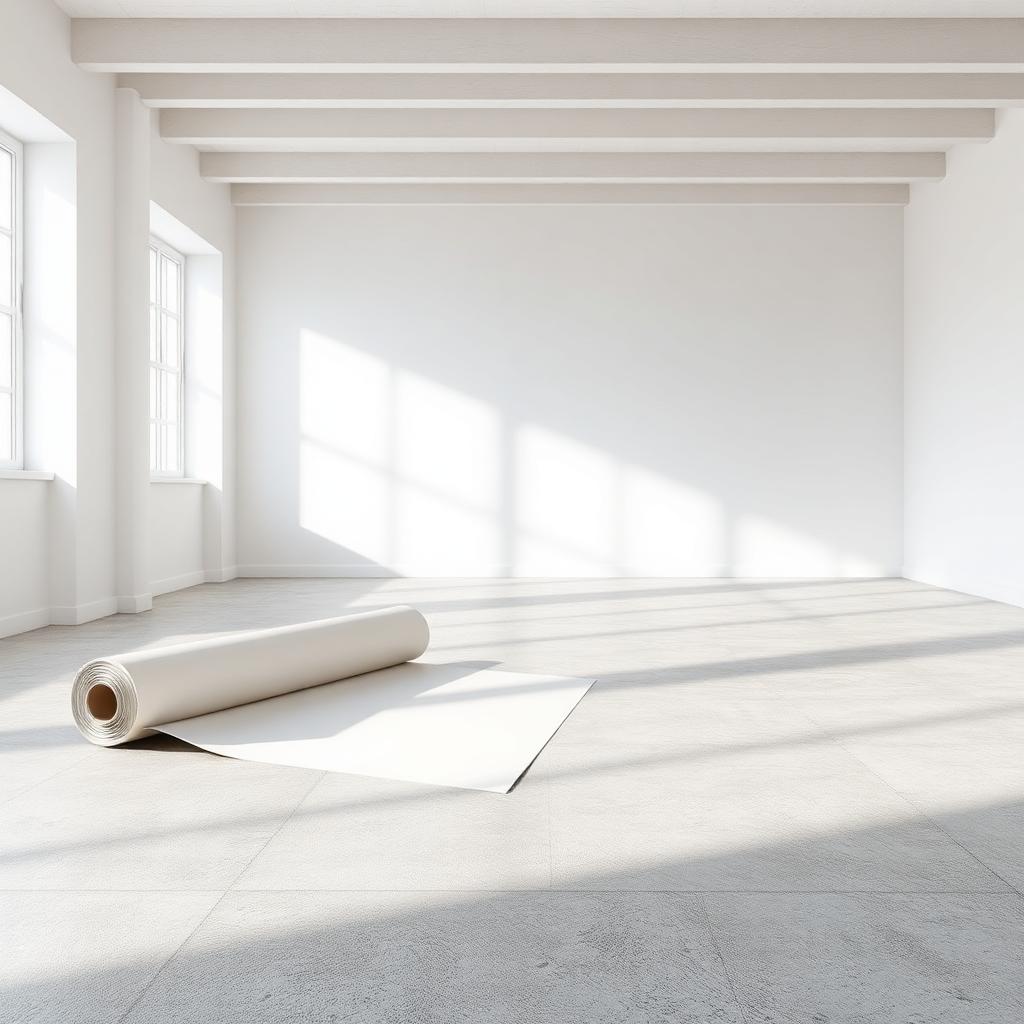
- Sheet vinyl. Continuous PVC roll, 6 or 12 feet wide. Cheapest option, very common in rentals.
- Vinyl composition tile (VCT). 12-inch tiles, glue-down, the white-speckled school and hospital floor.
- Luxury vinyl tile (LVT) / plank (LVP). Multi-layer PVC with a printed photographic film and a urethane wear layer.
- SPC (stone plastic composite). Rigid-core LVP with a limestone-and-PVC core.
- WPC (wood plastic composite). Rigid-core LVP with a wood-flour-and-PVC core.
Why PVC Dominates Hard Flooring
PVC is waterproof, dimensionally stable, easy to print on, and cheap to produce. The wear layer can be engineered for 20 to 30 years of residential traffic. No other material hits all of those at the price.
Indoor Air Quality and VOCs
Older PVC flooring (pre-2010) used phthalate plasticizers and could off-gas volatile organic compounds for months. 2026 product lines from major manufacturers (Shaw, Mohawk, Mannington, Armstrong, Tarkett) are FloorScore certified, which means VOC emissions are tested below CDPH 1.2 thresholds. Look for the FloorScore logo on the box.
Most also use phthalate-free plasticizers and lead-free stabilizers in residential lines.
Recyclability
PVC is technically recyclable, but post-consumer recycling infrastructure for flooring is limited in the United States. Some manufacturers (Tarkett, Armstrong, Interface) run take-back programs for commercial flooring removed during renovation. Residential vinyl usually ends up in landfill.
Things Often Confused with PVC Flooring
- Linoleum. Made from linseed oil, pine rosin, wood flour and jute backing. Not PVC. Marmoleum (Forbo) is the best-known brand.
- Rubber flooring. Natural or synthetic rubber, not PVC.
- Laminate. HDF core (compressed wood) with a melamine wear layer, not PVC.
- Cork. Cork oak bark, not PVC.
Hospital and School Use
Sheet vinyl with heat-welded seams remains the dominant healthcare flooring because the seams can be sealed to prevent bacterial growth and the surface meets CDC infection-control cleaning standards. That same PVC base sits under residential LVP, just with different wear layers.
How to Identify PVC Flooring at Home
Flexible plank or tile that looks like wood or stone but bends if you flex it, and feels slightly warm to the touch, is almost certainly vinyl (PVC). Hardboard-feeling planks that crack instead of bending are laminate. A burning test (do not try at home) gives off a chlorine smell for PVC, which is one reason firefighters use respirators in house fires.
Bottom Line
Vinyl in all of its forms (sheet, tile, plank, SPC, WPC) is the PVC-based flooring. Modern residential vinyl from major brands is FloorScore certified and phthalate-free. If you want a non-PVC waterproof floor, the alternatives are tile, sealed concrete and linoleum.
FAQ: Which Flooring Product Is Made From PVC?
Is laminate flooring made from PVC?
No. Laminate uses a high-density fiberboard core (compressed wood) with a melamine wear layer. It contains no PVC.
Is linoleum made from PVC?
No. Linoleum is made from linseed oil, pine rosin, wood flour and jute backing. It is the most common product confused with vinyl, but the two are chemically unrelated.
Is luxury vinyl tile (LVT) made from PVC?
Yes. LVT, LVP, sheet vinyl, vinyl composition tile and rigid-core SPC and WPC are all PVC-based products.
Is vinyl flooring safe?
Modern (post-2015) vinyl from FloorScore-certified manufacturers (Shaw, Mohawk, Mannington, Armstrong, Tarkett) meets CDPH 1.2 VOC thresholds and uses phthalate-free plasticizers. Older vinyl (pre-2010) can off-gas phthalates for months.
Is PVC flooring recyclable?
Technically yes, practically rarely. Commercial flooring takeback programs (Tarkett ReStart, Armstrong On & On, Interface ReEntry) recycle some post-install scrap and end-of-life flooring. Residential vinyl typically goes to landfill.
Which flooring product is made from PVC and waterproof?
All vinyl flooring is waterproof at the wear surface, and rigid-core SPC and WPC products are waterproof through the entire plank.
Are there non-PVC waterproof floors?
Yes, porcelain tile, ceramic tile with epoxy grout, sealed concrete, rubber, and linoleum with welded seams are the main alternatives.
Reading the Label
Vinyl flooring cartons in 2026 are required to disclose the material composition (PVC, plasticizer type, recycled content), the wear-layer thickness in mils, the FloorScore certification status and the country of origin. Look for FloorScore, CDPH 1.2 compliance and a phthalate-free plasticizer statement. Avoid no-name imports that omit any of these.
PVC and the Environment
PVC manufacturing has improved across the past two decades but is not without footprint. Chlorine production for vinyl is energy-intensive. Plasticizers and stabilizers have shifted to safer formulations under TSCA and EU REACH rules. End-of-life recycling for residential vinyl flooring remains limited; most U.S. waste streams send removed vinyl to landfill. Buyers who want a smaller footprint can choose linoleum (renewable feedstock), tile (very long life), or sealed concrete (no new material at all).