Quick Answer
What most people call "Empire Flooring" is officially Empire Today, and it started in 1959 in Northlake, Illinois, a Chicago suburb. The company was founded by entrepreneur Seymour Cohen under its original name, Empire Plastic Covering, selling clear plastic carpet protectors door-to-door.
The company is still headquartered in the Chicago area today and is best known for the catchy 800-588-2300 jingle that has been running on US television and radio for decades.
From Plastic Covers to a Flooring Giant
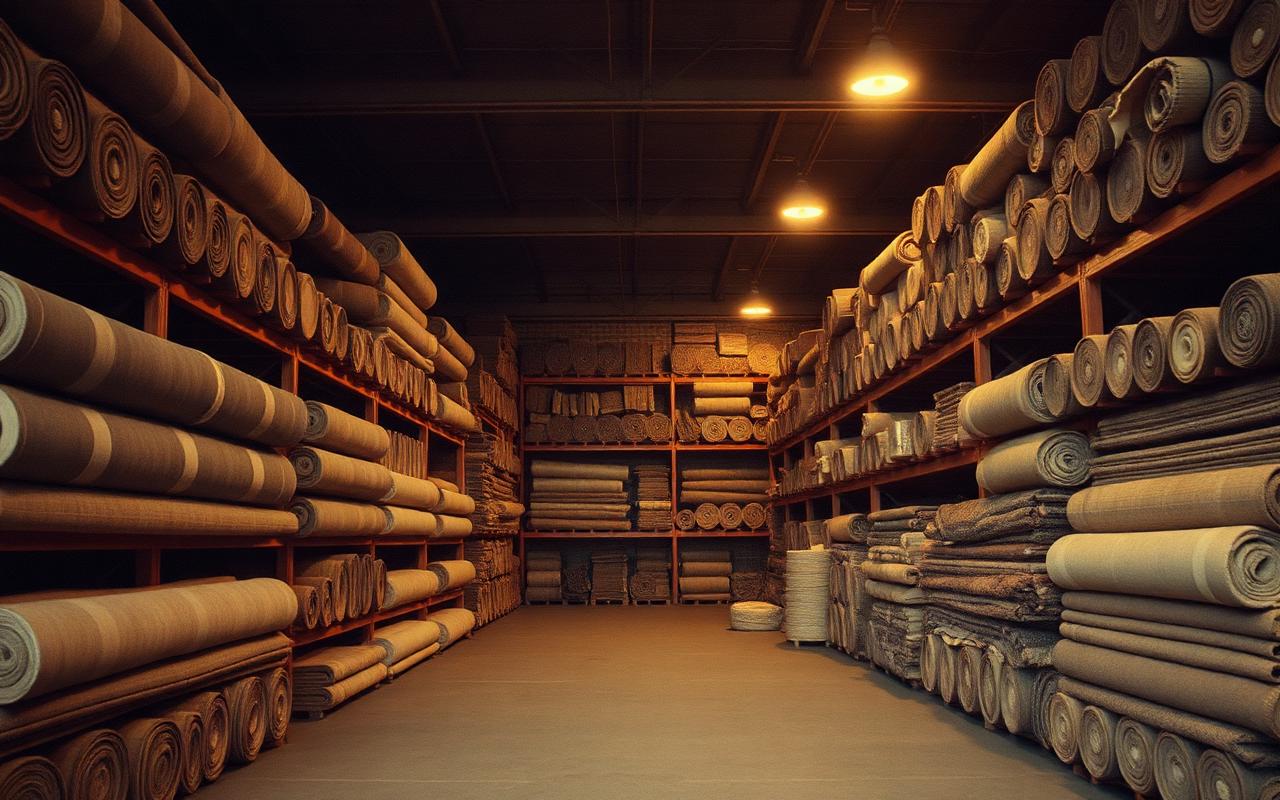
Cohen's original business was selling those clear vinyl carpet runners and chair pads that protected wall-to-wall carpeting in the late 1950s. By the mid-1960s, customers were asking about the carpet itself, and the company pivoted into installed carpet sales using a "shop-at-home" model that was novel at the time. A salesperson would arrive at your house with sample books, measure on the spot and quote a turnkey price.
That same in-home model is what Empire still uses in 2026, scaled up to more than 75 US metro areas. It is one of the longest-running direct-to-consumer flooring businesses in the country.
The Jingle That Built the Brand
The "800-588-2300, Empire" jingle first aired in the Chicago market in the 1970s and went national in the 1990s. The number 588-2300 was chosen because it was easy to sing on the major scale; the slogan "Empire today, carpet tomorrow" was the original tagline (the company shortened its name to Empire Today in 2007). The voice on the most familiar version of the jingle was Lynne Walker, who recorded it in 1977.
Ownership Changes
The Cohen family sold the business in 2007 to private equity. In 2016, it was acquired again by private equity firm H.I.G. Capital. Each time the company changed hands, the headquarters stayed in the Chicago suburbs and the brand kept the jingle, which is now arguably one of the most recognisable audio logos in American advertising.
What Empire Sells Today
- Carpet (broadloom and modular)
- Hardwood and engineered hardwood
- Luxury vinyl plank (LVP) and sheet vinyl
- Laminate
- Porcelain and ceramic tile
- Blinds and shades (added 2018)
Why "Empire Flooring" Is the Common Name
Customers and search traffic both refer to the company as "Empire Flooring" rather than the official Empire Today, simply because flooring is the dominant product line. The company even owns the empireflooring.com redirect and points it to its main site. So if you have been searching for Empire Flooring, you are in the right place , the company you are thinking of did start in Northlake, Illinois in 1959.
Why This Matters in 2026
Flooring buyers in 2026 face a tighter renovation budget and a wider product range than ever before. Understanding the question above (where did empire flooring start) lets you skip several wrong products on the showroom floor and zero in on the one or two that actually fit your room, climate, and lifestyle. The half hour spent on this kind of background reading saves hours of back-and-forth at the retailer.
What the Industry Consensus Says
The National Wood Flooring Association (NWFA), Resilient Floor Covering Institute (RFCI) and World Floor Covering Association (WFCA) all publish free consumer guides on the topics covered here. When in doubt, cross-check anything you read on a manufacturer marketing page against one of these trade association resources. They have no SKU to sell, so the advice is generally more even-handed.
When to Call a Professional
If your project involves moisture, asbestos, structural subfloor work, or radiant heat, hire a professional for at least the consultation. A short site visit from a certified installer routinely saves multiples of its fee in avoided mistakes. DIY is great for click-lock floating floors in dry rooms; it is a poor fit for tile setting, hardwood refinishing or any glue-down install.
Frequently Asked Questions
Will this answer change in 5 years?
Pricing and product lines drift, but the underlying physics of flooring (moisture, expansion, wear layer) does not. The buying principles in this guide hold long-term.
Is the answer different in the UK and Europe?
Mostly the same. Retailers like B&Q, Wickes and Carpetright sell equivalent product categories, and EU EN standards mirror North American ASTM tests closely.
What about commercial settings?
Commercial floors use the same materials but higher wear ratings (AC5 laminate, 28 mil vinyl, commercial-grade epoxy). Spec sheets state the heaviest foot traffic the product is rated for.
Where can I get a second opinion?
The National Wood Flooring Association (NWFA), Resilient Floor Covering Institute (RFCI), and World Floor Covering Association (WFCA) all publish free consumer guidance and certified-installer locators.
Pro Tips From the Trade
- Order 10 percent extra. Cuts, mistakes and future repairs add up. One spare carton stashed in the basement is cheap insurance.
- Photograph every layer. Subfloor, vapour barrier, expansion gap, transitions. Warranty claims hinge on documentation.
- Save the lot number. Replacement planks must match the production run or the colour will not line up.
- Acclimate before installing. 48 hours minimum in the room of installation for click-lock products; 7 to 14 days for engineered or solid hardwood.
Bottom Line
Flooring decisions are part budget, part lifestyle, part long-term resale. Prep the subfloor properly, match the product to the room, and follow the manufacturer's install spec, and even a mid-tier material will outperform a premium one that was rushed in. Cut corners on prep and even a top-shelf plank will telegraph every flaw underneath.