Quick Answer
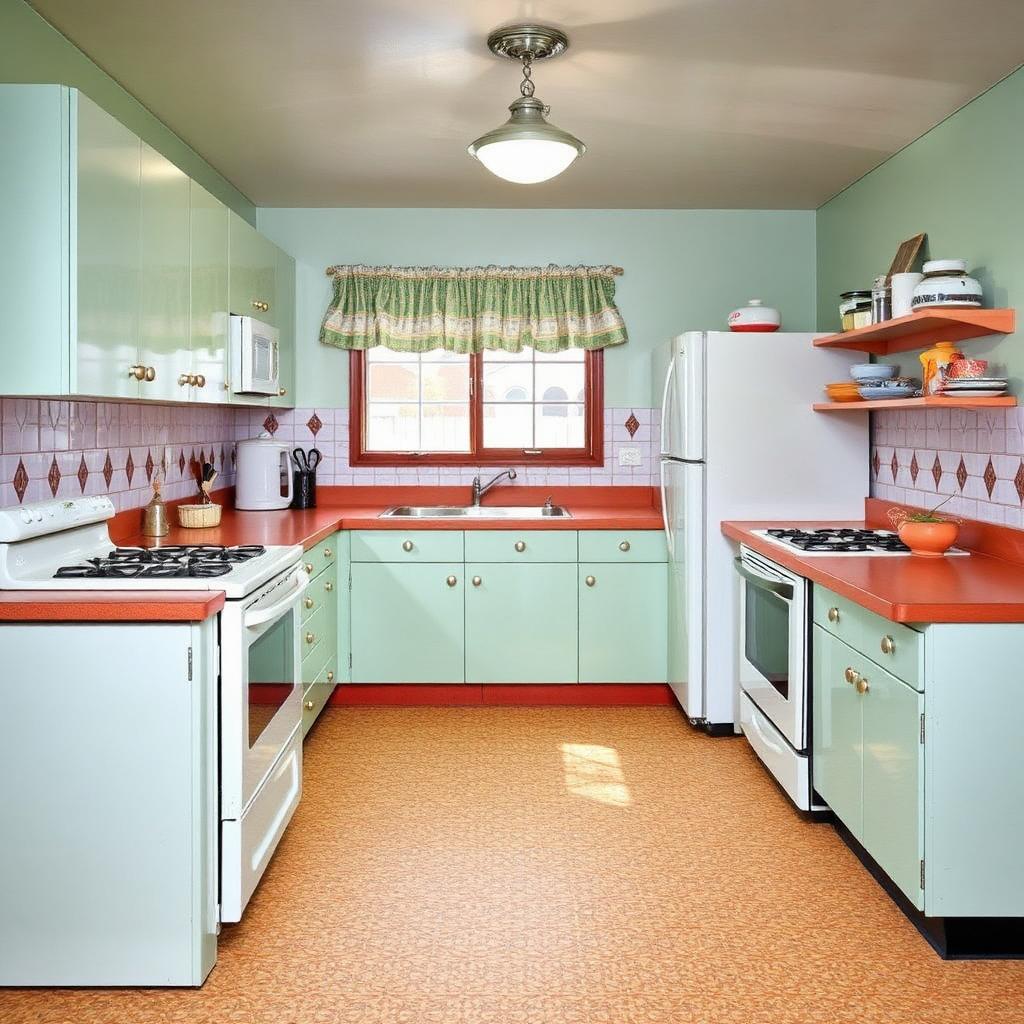
Vinyl flooring was introduced to the public at the 1933 Century of Progress International Exposition in Chicago. Material shortages during World War II delayed mass production. By 1947, vinyl sheet and vinyl tile were widely available in US homes, and through the 1950s and 1960s vinyl largely replaced linoleum as the dominant kitchen and bathroom floor.
Luxury vinyl tile (LVT) as we know it appeared in the 1970s. Modern rigid-core LVP (SPC and WPC) emerged in the 2010s and now dominates new-build residential flooring.
A Timeline of Vinyl Flooring
- 1926. American chemist Waldo Semon at BF Goodrich discovers a process to plasticise polyvinyl chloride (PVC), making it usable for consumer products.
- 1933. Vinyl flooring is introduced at Chicago's Century of Progress International Exposition.
- 1939 to 1945. Military demand for vinyl during World War II diverts the material away from consumer flooring.
- 1947. Vinyl tile reaches commercial availability for residential use in the US.
- 1950s. Mass-market boom. Armstrong, Congoleum and other manufacturers dominate. Asbestos commonly added for stability.
- 1960s. Vinyl sheet flooring with decorative patterns becomes the dominant kitchen floor.
- 1970s. Luxury vinyl tile (LVT) is introduced, mimicking the look of stone and wood.
- Mid 1980s. Major US manufacturers phase out asbestos in vinyl flooring.
- 2000s. Click-lock floating vinyl planks appear, simplifying DIY install.
- 2010s. SPC (stone plastic composite) and WPC (wood plastic composite) rigid-core LVP take over the market.
- 2026. Rigid-core LVP is the single most-installed residential floor in the US.
Why Vinyl Won Over Linoleum
True linoleum (linseed oil and jute) had been the dominant kitchen floor since the late 1800s. Vinyl had three advantages:
- Water resistance, linoleum needed sealing and could rot at seams.
- Pattern flexibility, vinyl could print any color, photo and texture.
- Cost, vinyl was cheaper to produce at scale by the 1960s.
By 1970, "linoleum" was used as a generic term but most floors sold were actually vinyl.
Modern LVP, The Latest Chapter
Rigid-core LVP fixed the two big knocks on older vinyl:
- Dimensional stability, the SPC core does not expand or contract significantly with temperature.
- Indentation resistance, harder cores resist furniture and heel marks much better than older flexible vinyl.
Wear layers improved too, from 6 mil in the 1990s to 20+ mil in 2026 premium products.
What About COREtec and the Premium Brands?
COREtec, launched by USFloors in 2012, popularised the WPC rigid-core category. Shaw Industries acquired USFloors in 2018 and continues to make COREtec today. Most major flooring manufacturers now have their own rigid-core LVP line.
Sustainability Direction
Modern PVC vinyl flooring is criticised for its plastic content and end-of-life recyclability. Manufacturers in 2026 are pushing recycled-content rigid-core LVP and bio-based vinyl alternatives. Forbo's marmoleum (a modern linoleum) remains the most-recommended sustainable hard floor.
Bottom Line
Vinyl flooring was first shown publicly in 1933, became mass-market after 1947, dominated US homes through the 1960s, and the rigid-core LVP era began in the 2010s. The category is roughly 90 years old as a residential product, and the 2020s rigid-core generation is the strongest version it has ever been.
FAQ: History of Vinyl Flooring
Who invented vinyl flooring?
Plasticised PVC was developed by Waldo Semon at BF Goodrich in 1926. Vinyl flooring as a consumer product was introduced at the 1933 Century of Progress.
What was used before vinyl?
Linoleum (linseed oil and jute) was the dominant kitchen and bathroom floor from the 1860s through the 1950s.
When did luxury vinyl tile appear?
In the 1970s. LVT was designed to mimic the look of stone and wood at a lower price point.
What is rigid-core LVP?
A 2010s innovation with an SPC (stone plastic composite) or WPC (wood plastic composite) core for dimensional stability. Now the most-installed residential floor in the US.
Final Tips
- Vinyl flooring has been mainstream since 1947.
- Pre-1985 vinyl often had asbestos, post-1990 is clean.
- Rigid-core LVP is the modern standard.
- Marmoleum is the sustainable alternative.
The Asbestos Era and Its Aftermath
The asbestos chapter of vinyl flooring history shaped the modern product in subtle ways. Manufacturers, having been forced to reformulate, developed wear layers, fiberglass reinforcement and rigid cores that ended up performing better than asbestos ever had. The 2010s rigid-core revolution would not have happened without the 1980s reformulation effort that taught the industry to engineer dimensional stability without asbestos.
By 2026, residential LVP outsells every other hard flooring category in the US, including hardwood, laminate, tile and stone combined. NAR survey data shows roughly 45 percent of US flooring installs in 2025 were vinyl plank, with the share still rising. The category is now older than nearly any homeowner, but the product itself is unrecognisably better than the 1960s vinyl most older Americans remember.
If you are choosing flooring in 2026 and want the longest-lasting product, look for SPC rigid-core with a 20 mil or thicker wear layer, a 7 to 9 inch plank width, and a residential lifetime warranty. That combination represents the current peak of nearly a century of vinyl flooring development.