Quick Answer
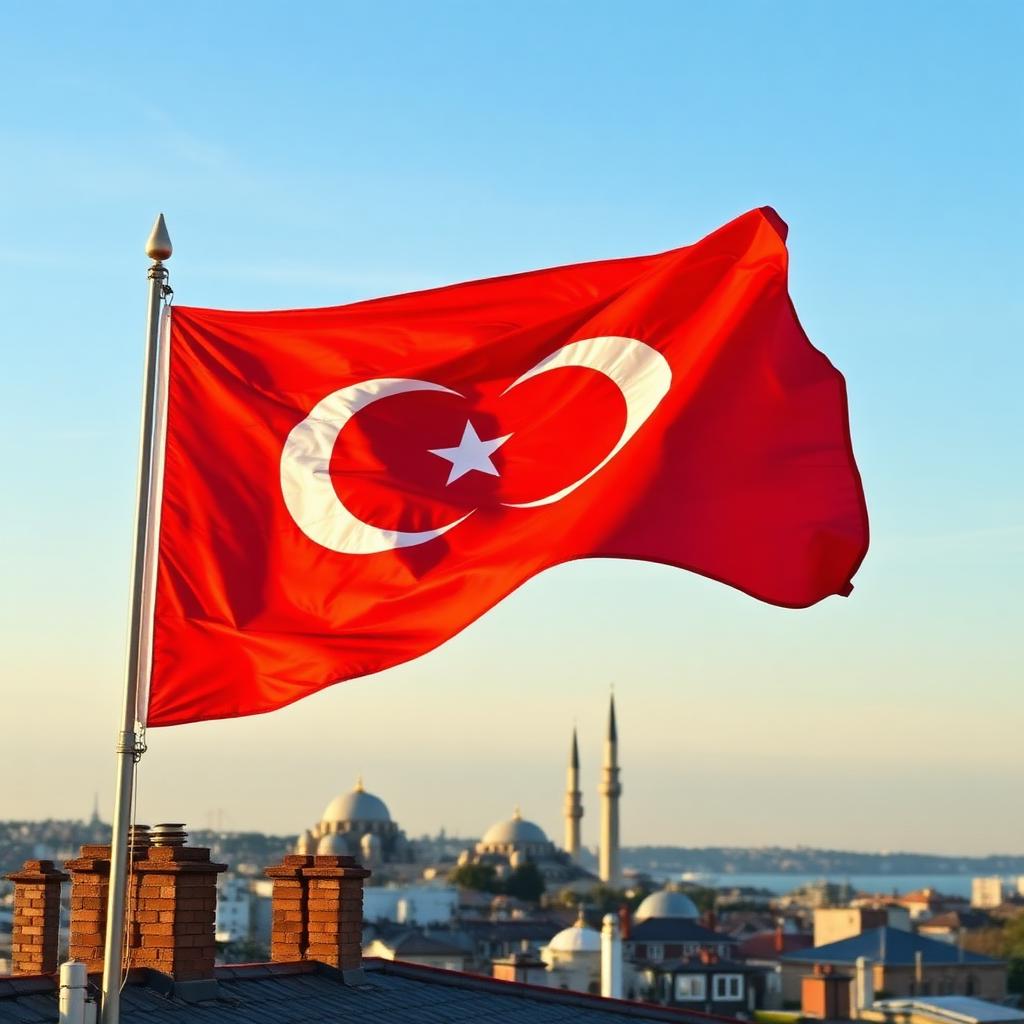
Turkey officially became Türkiye at the United Nations on June 1, 2022, the day after Foreign Minister Mevlüt Çavuşoğlu submitted a formal request to UN Secretary General António Guterres. The change applies to all UN documents, treaties, and official communications.
The shift was not a sudden invention. Türkiye, written with a dotted I and a Ü, has always been the native name of the country, used inside Turkey itself in Turkish since the founding of the modern republic in 1923. What changed in 2022 was the formal English spelling used in international diplomacy.
The push was driven by a domestic branding campaign launched in December 2021 by President Recep Tayyip Erdoğan, aimed at protecting cultural identity and avoiding the awkward English language associations of the word "turkey."
The official timeline
- October 29, 1923. The Republic of Türkiye is proclaimed. The native name, Türkiye Cumhuriyeti, has been the official name in Turkish ever since.
- December 4, 2021. President Erdoğan issues a presidential circular instructing all state institutions to use "Türkiye" in foreign language correspondence and to brand Turkish products with "Made in Türkiye."
- January 2022. A government promotional campaign called "Hello Türkiye" rolls out, with state broadcaster TRT World adopting the spelling in English language coverage.
- May 31, 2022. Foreign Minister Mevlüt Çavuşoğlu sends a formal letter to UN Secretary General António Guterres requesting registration of the change.
- June 1, 2022. The UN confirms the change, effective immediately across all UN documents and member state lists.
- Mid 2022 onward. NATO, the World Health Organization, and most international bodies adopt the new spelling.
Why the change
The Turkish government gave two main reasons.
1. Cultural and linguistic accuracy
Türkiye is what Turkish people call their country. The English "Turkey" is an anglicisation of the Latin and Italian forms used by European traders in the late medieval period. Using the native spelling internationally aligns the country's branding with its own language, the same way Iran replaced "Persia" in 1935 and Côte d'Ivoire formally rejected "Ivory Coast" in 1985.
2. Distancing from English language associations
In English, "turkey" also names the bird traditionally served at Thanksgiving and Christmas, and is used colloquially to describe a flop, particularly in film and theatre. The Turkish presidency was direct in saying that breaking that association was a deliberate goal.
The bird name is, ironically, also a 16th century misnomer. European traders confused the North American bird with guineafowl imported through the Ottoman Empire, and the name "Turkey bird" stuck. In Turkish, the bird is called hindi, meaning "from India," because the same confusion ran the other direction.
Where the new spelling actually shows up
- United Nations documents and member lists: Türkiye, since June 1, 2022.
- NATO official communications: Türkiye.
- World Health Organization: Türkiye.
- FIFA and UEFA: Türkiye in formal documents, often "Türkiye" or "Turkey" depending on the broadcaster's style guide.
- Major Turkish exports: "Made in Türkiye" is now standard on product packaging.
- Most major international news outlets: Have updated style guides to use Türkiye on first reference, with "Turkey" allowed as a parenthetical or in headlines.
Where the old spelling persists
- Casual English speech and writing. Most people still say "Turkey" in conversation.
- Older URL slugs, Wikipedia categories, and database fields that have not yet been updated.
- Some travel and tourism brands that built their marketing around the English name before 2022.
- Adjectival forms. "Turkish" remains the standard English adjective. "Türkiyeli" exists in Turkish but has not crossed over into English.
Is the change legally binding?
At the UN, yes. Türkiye is the formal English name registered with the United Nations and used in treaties, resolutions, and diplomatic correspondence. Outside the UN system, the change is more of a strong norm than a legal requirement. Private publishers, broadcasters, and individuals can use whichever spelling they prefer.
How to pronounce it
The closest English approximation is "TOOR kee yeh," with a short, soft second syllable. The Ü is a front rounded vowel that does not exist in standard English. The dotted I in Türkiye is pronounced like the "i" in "machine."
Frequently asked questions
When did Turkey officially become Türkiye?
June 1, 2022, when the United Nations registered the name change at the request of Türkiye's foreign ministry.
Did the name of the country change in Turkish?
No. The official name in Turkish has always been Türkiye Cumhuriyeti since the republic was founded in 1923. Only the English spelling used internationally changed.
Is it "Turkish" or "Türkiyeli"?
Turkish remains the standard English adjective and the name of the language. Türkiyeli is a Turkish word used to describe citizens of Türkiye but has not entered everyday English use.
Why did Türkiye specifically pick June 2022?
The request was timed to follow the December 2021 presidential circular and the early 2022 branding campaign. Once the foreign ministry was ready, the UN process took less than 24 hours.