Quick Answer
Flexible glue-down luxury vinyl tile in plank form (LVP) appeared in the late 1970s, pioneered by Karndean (UK) and Mannington (US). The rigid-core click-lock LVP and SPC products that dominate the market today only arrived around 2014, when US flooring importer USFloors launched COREtec Plus, the first widely sold WPC (wood-plastic composite) plank.
So when buyers say "LVP," they usually mean the rigid-core 2014-and-later category, not the original flexible glue-down version.
The Two Generations of LVP
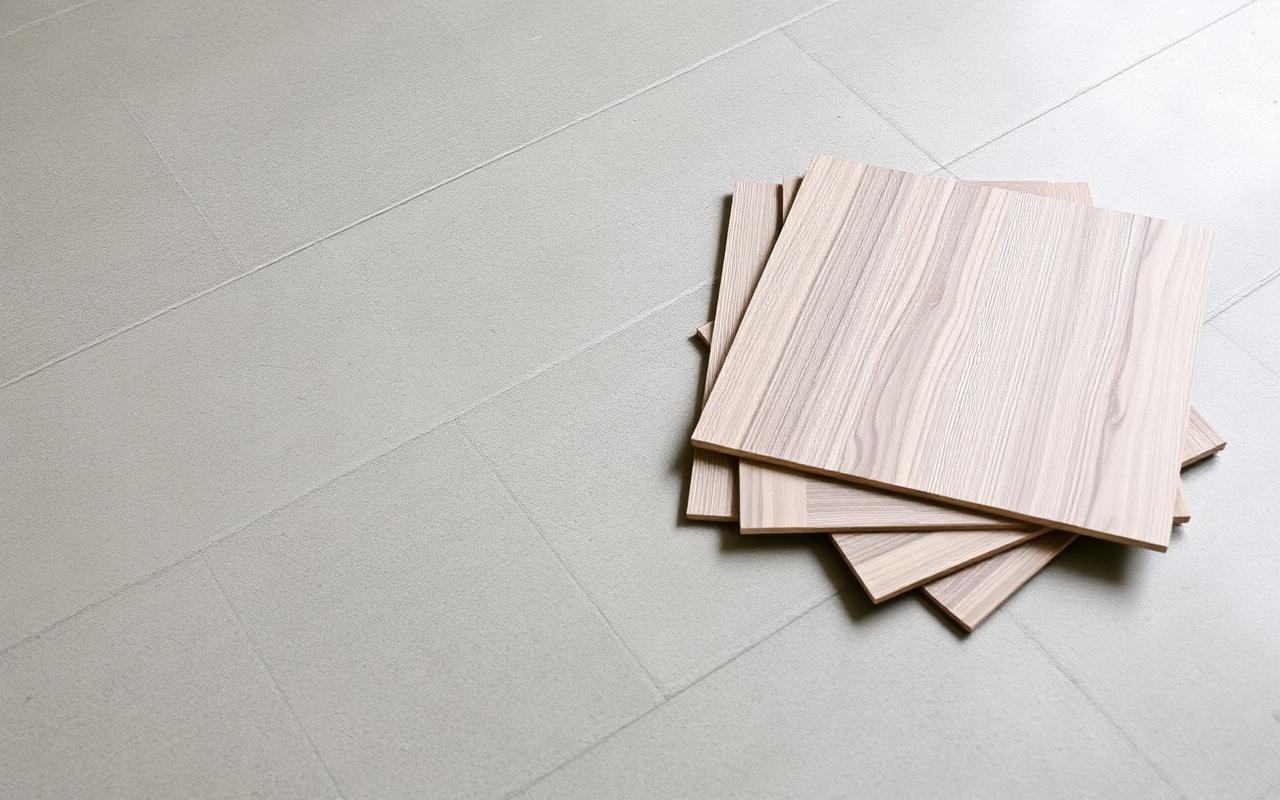
Generation 1 , flexible glue-down LVT (late 1970s onward): 2 mm to 3 mm thick, requires a perfectly flat substrate and adhesive. Karndean's commercial product launched in 1973 in the UK; Mannington and Armstrong followed in the US during the 1980s. Beautiful, but installation was demanding and the product had a commercial reputation.
Generation 2 , rigid-core click-lock LVP (2014 onward): 5 mm to 8 mm thick with a stone-plastic composite (SPC) or wood-plastic composite (WPC) core. Installs as a floating floor with click-lock edges, just like laminate. This is what changed the market.
Why 2014 Was the Tipping Point
USFloors (now part of Shaw Industries) launched COREtec Plus in 2012-2014, the first product to combine waterproof rigid core, attached underlayment and a wood-look top layer. Within five years, every major manufacturer (Shaw, Mohawk, Mannington, Armstrong, CALI Bamboo) had its own SPC and WPC lines, and the rigid-core LVP category went from near zero to the largest single flooring segment in the US by revenue.
Quick Timeline
- 1933: vinyl sheet flooring debuts at the Chicago World's Fair.
- 1970s: Karndean and Mannington introduce LVT in plank form.
- 1980s to 2000s: LVT remains a commercial product, slow growth in residential.
- 2012-2014: USFloors launches COREtec Plus, the first WPC rigid-core plank.
- 2015 onward: SPC rigid-core LVP becomes the dominant product type.
- 2020s: 20+ mil wear layer and lifetime residential warranties become standard.
What "LVP" Means in 2026
Today the term LVP almost always refers to rigid-core SPC plank. It is waterproof, dent-resistant, click-lock, and installs over almost any flat substrate including ceramic tile. The category is still evolving , recent introductions include integrated cork backing for sound dampening, antimicrobial top coats and 30-mil wear layers for light commercial use. See coretecfloors.com for the original brand's current lineup.
Why This Matters in 2026
Flooring buyers in 2026 face a tighter renovation budget and a wider product range than ever before. Understanding the question above (when did lvp flooring come out) lets you skip several wrong products on the showroom floor and zero in on the one or two that actually fit your room, climate, and lifestyle. The half hour spent on this kind of background reading saves hours of back-and-forth at the retailer.
What the Industry Consensus Says
The National Wood Flooring Association (NWFA), Resilient Floor Covering Institute (RFCI) and World Floor Covering Association (WFCA) all publish free consumer guides on the topics covered here. When in doubt, cross-check anything you read on a manufacturer marketing page against one of these trade association resources. They have no SKU to sell, so the advice is generally more even-handed.
When to Call a Professional
If your project involves moisture, asbestos, structural subfloor work, or radiant heat, hire a professional for at least the consultation. A short site visit from a certified installer routinely saves multiples of its fee in avoided mistakes. DIY is great for click-lock floating floors in dry rooms; it is a poor fit for tile setting, hardwood refinishing or any glue-down install.
Frequently Asked Questions
Will this answer change in 5 years?
Pricing and product lines drift, but the underlying physics of flooring (moisture, expansion, wear layer) does not. The buying principles in this guide hold long-term.
Is the answer different in the UK and Europe?
Mostly the same. Retailers like B&Q, Wickes and Carpetright sell equivalent product categories, and EU EN standards mirror North American ASTM tests closely.
What about commercial settings?
Commercial floors use the same materials but higher wear ratings (AC5 laminate, 28 mil vinyl, commercial-grade epoxy). Spec sheets state the heaviest foot traffic the product is rated for.
Where can I get a second opinion?
The National Wood Flooring Association (NWFA), Resilient Floor Covering Institute (RFCI), and World Floor Covering Association (WFCA) all publish free consumer guidance and certified-installer locators.
Pro Tips From the Trade
- Order 10 percent extra. Cuts, mistakes and future repairs add up. One spare carton stashed in the basement is cheap insurance.
- Photograph every layer. Subfloor, vapour barrier, expansion gap, transitions. Warranty claims hinge on documentation.
- Save the lot number. Replacement planks must match the production run or the colour will not line up.
- Acclimate before installing. 48 hours minimum in the room of installation for click-lock products; 7 to 14 days for engineered or solid hardwood.
Bottom Line
Flooring decisions are part budget, part lifestyle, part long-term resale. Prep the subfloor properly, match the product to the room, and follow the manufacturer's install spec, and even a mid-tier material will outperform a premium one that was rushed in. Cut corners on prep and even a top-shelf plank will telegraph every flaw underneath.