Quick Answer
Public Service Enterprise Group (NYSE: PEG) posted Q1 2026 non-GAAP operating earnings of 1.55 US dollars per share, on net income of 741 million US dollars (1.48 US dollars reported EPS).
That beat the prior year quarter (1.43 US dollars non-GAAP EPS) and kept PSEG on track for its 6 to 8 percent annual non-GAAP operating earnings growth target through 2030.
The quarter was defined by record winter gas demand, near full nuclear output, and a regulatory commitment to keep residential electric rates flat through 2026.
The Headline Numbers
PSEG s consolidated results for the first quarter of 2026:
- Net income: 741 million US dollars, up from 589 million US dollars in Q1 2025.
- Reported EPS: 1.48 US dollars, up from 1.18 US dollars.
- Non-GAAP operating earnings: 778 million US dollars, up from 718 million US dollars.
- Non-GAAP operating EPS: 1.55 US dollars, up from 1.43 US dollars.
The 37 million US dollar gap between reported and non-GAAP operating earnings comes from temporary mark to market and reconciling items that PSEG strips out to show underlying utility performance.
Segment Breakdown: Where the Money Came From
PSEG runs two main segments: the regulated utility PSE and G, and PSEG Power and Other, which is dominated by the nuclear fleet.
PSE and G (regulated utility). Net income of 577 million US dollars, up from 546 million US dollars a year earlier. Growth was driven by ongoing rate base investment in transmission, gas system modernisation, energy efficiency programs, and a modest tailwind from customer growth across northern and central New Jersey.
PSEG Power and Other. Non-GAAP operating earnings of 201 million US dollars, up from 172 million US dollars. Higher realised wholesale power prices and lower operations and maintenance expense more than offset slightly lower generation volumes.
The Winter Storm That Defined the Quarter
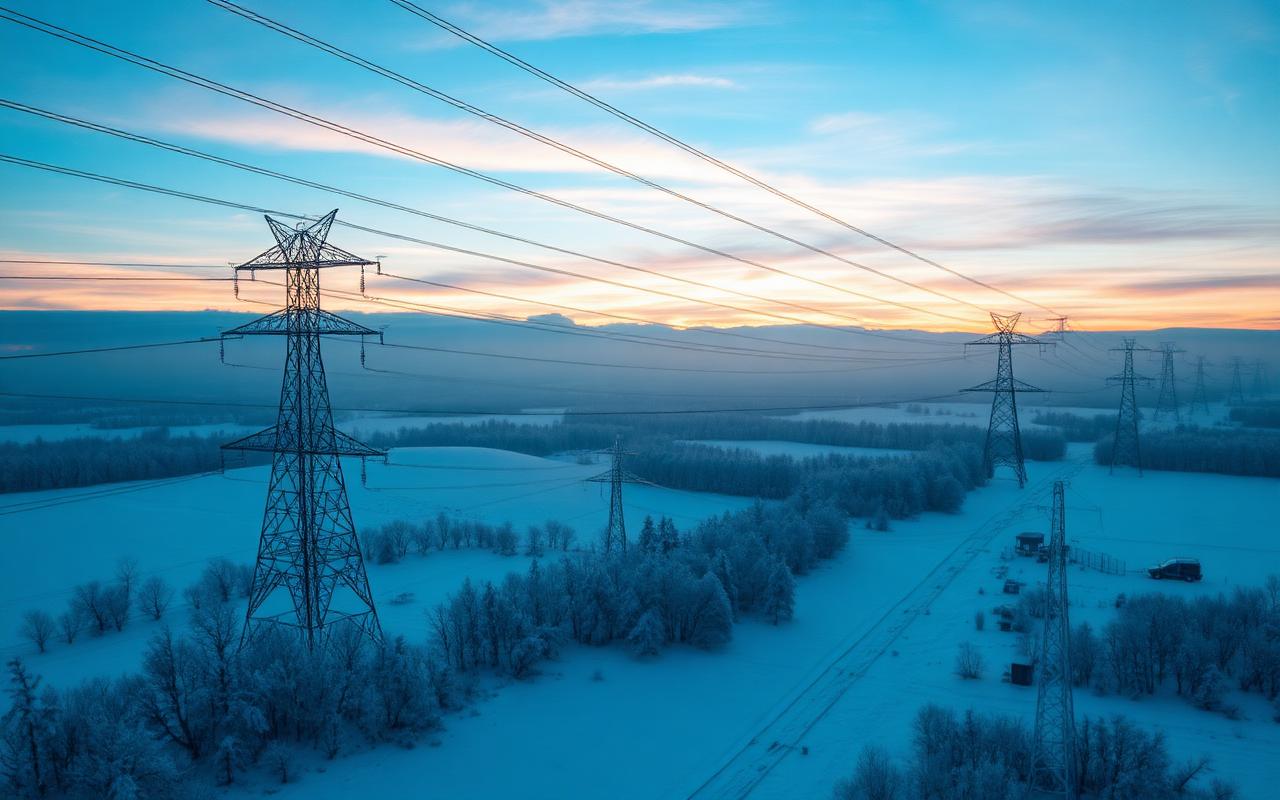
The operational story behind the numbers is the weather. In the early months of 2026, PSEG s New Jersey service territories were hit by a sequence of extreme cold systems, culminating in what the company described as the worst winter storm in 30 years.
Temperatures stayed in the single digits Fahrenheit for an extended stretch. Gas heating demand spiked. PSEG recorded its highest single day natural gas send out since 2019.
Chair, President, and CEO Ralph LaRossa credited multi year grid hardening investment for the company s ability to keep the lights and heat on. Field crews restored service in hazardous conditions without the multi day outages that hit some neighbouring utilities.
Nuclear: The Quiet Workhorse
The nuclear fleet delivered the other half of the resilience story. PSEG Nuclear ran at near full output through the cold snap, producing 8 terawatt hours (TWh) of carbon free baseload electricity.
That output mattered for two reasons. First, it kept PJM Interconnection grid balance intact during peak demand, when gas prices were spiking and renewables were producing below expectation. Second, it locked in revenue at favourable wholesale prices for the segment.
For investors tracking the long term thesis on PSEG, nuclear capacity factor in winter quarters is the cleanest single proxy for how well the Power segment will perform.
Rate Hold: Flat Through 2026
On the customer side, PSEG has committed to keep residential electric rates completely flat through 2026, working in coordination with Governor Sherrill s office and the New Jersey Board of Public Utilities (NJBPU).
That commitment aligns directly with the Governor s newly signed Executive Orders 1 and 2, which target rising utility burdens and volatile generation supply costs across the state.
Residential natural gas rates were also held flat for the remainder of the 2025 to 2026 winter heating season, leaving PSEG customers with some of the lowest average gas bills in the Northeast.
On June 1, 2026, customer bills will reflect the latest Basic Generation Service (BGS) auction results, which take effect as scheduled.
2026 Guidance and the 6 to 8 Percent Growth Plan
PSEG reaffirmed its 2026 non-GAAP operating earnings guidance and its longer term plan to grow non-GAAP operating earnings at a 6 to 8 percent compound annual rate through 2030.
Critically, LaRossa reiterated that the entire growth plan is funded by internal cash generation. PSEG does not need to issue new dilutive equity, and it is not planning dilutive asset sales to plug a funding gap. That is a meaningful comfort signal for income oriented utility investors who have been burned by rivals doing surprise equity raises to finance transmission build outs.
Why Q1 2026 Matters for the PEG Story
Three takeaways for investors and customers.
First, the beat is operationally clean. It was driven by regulated utility execution and a strong nuclear quarter, not by one off financial gains. That makes the 1.55 US dollar print more credible as a baseline for the rest of 2026.
Second, the rate hold removes a major political risk for the year. If PSEG had been forced to push through a winter rate increase after a record storm, the regulatory and reputational damage would have lingered. Keeping residential rates flat through 2026 takes that off the table.
Third, nuclear is doing exactly what the long term plan needs it to do. Running near full output during a 30 year storm event proves the fleet is reliable through the kinds of weather extremes that will define the next decade of grid planning.
What to Watch Next
The next signposts for PSEG investors:
- June 1, 2026: New BGS auction results take effect on customer bills.
- Q2 2026 results: First read on summer peak performance and any early hurricane season impact.
- NJBPU rate cases: Filings tied to the 2027 to 2029 capital plan will signal the size of the next rate base investment cycle.
- Federal nuclear policy: Any update to nuclear production tax credit guidance directly affects PSEG Nuclear segment economics.
The Takeaway
PSEG s Q1 2026 print of 1.55 US dollars in non-GAAP operating EPS and 741 million US dollars in net income was a clean operational beat, powered by a regulated utility delivering through a 30 year winter storm and a nuclear fleet running near full output. Customer rates stay flat through 2026, and the 6 to 8 percent annual growth plan through 2030 is intact and self funded.