Quick Answer
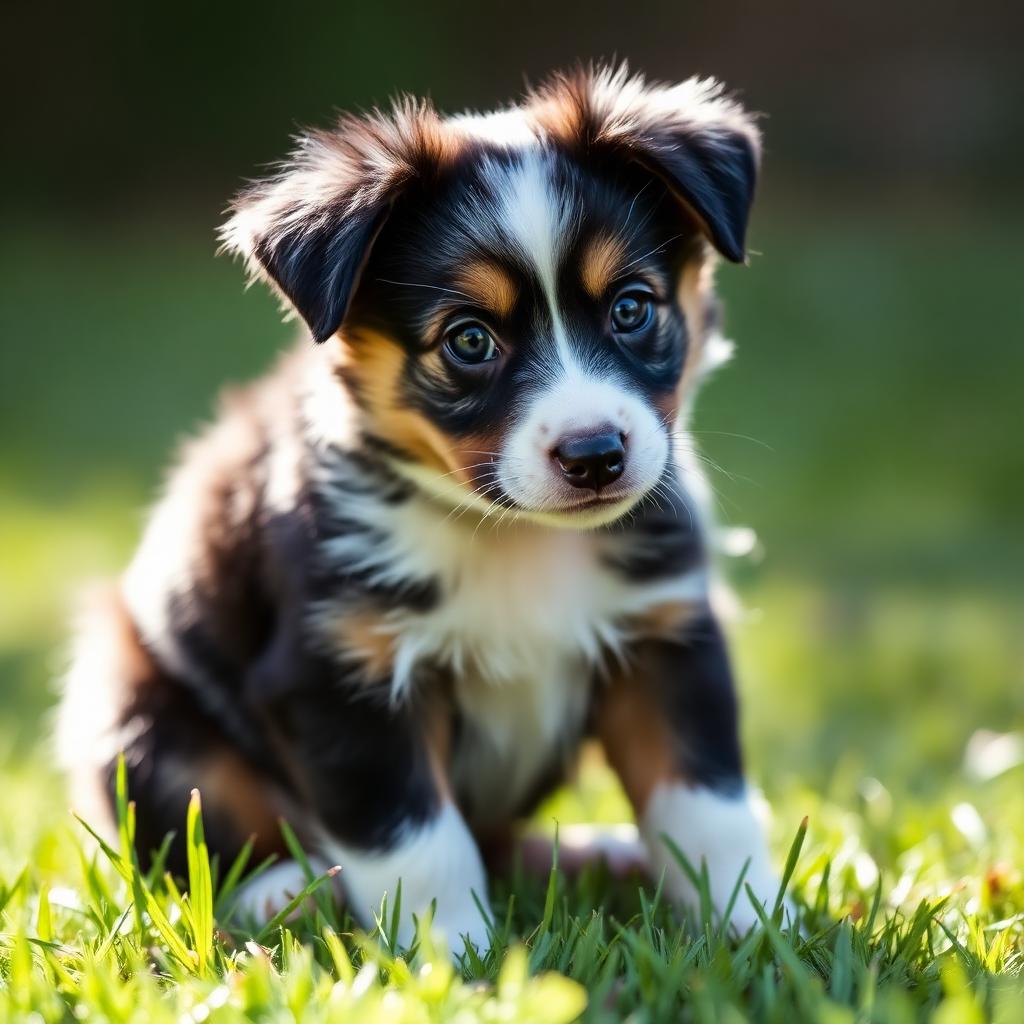
The Mini Australian Shepherd, officially called the Miniature American Shepherd by the AKC, is a compact 13 to 18 inch herding dog with the full intelligence, drive, and stunning coat of the Standard Aussie packed into a smaller frame. They are brilliant family dogs for active homes, but they are not low maintenance: they need a job.
If you want a couch potato in a small package, look elsewhere. If you want a clever, athletic partner for trick training, agility, hiking, or dog sports, the Mini Aussie is one of the best in the category.
A quick history
The breed was developed in California in the late 1960s by selectively breeding smaller, unregistered Australian Shepherds. The goal was to keep the herding instinct, intelligence, and merle coat while scaling the body down for easier transport and indoor living. The AKC officially recognised the breed as the Miniature American Shepherd in 2015.
Despite the name, neither the Australian Shepherd nor the Mini is actually Australian. The breed was developed on US ranches.
Size, coat, and colour
- Height: 13 to 18 inches at the shoulder.
- Weight: 20 to 40 lb.
- Coat: Medium length double coat, water resistant, sheds twice a year heavily.
- Colours: Black tri, red tri, blue merle, red merle, with or without white and copper trim.
The merle gene warning
Merle to merle breeding produces double merle puppies that are very often deaf, blind, or both. A responsible breeder will never pair two merle parents. If a price seems too low or the breeder cannot show you both parents, walk away.
Energy and mental needs
The smaller size fools people. The brain and the drive are full size. Without an outlet, a Mini Aussie will invent jobs: barking at the doorbell becomes a 20 minute alarm, the kids become a herd to nip, and the sofa becomes a chew toy.
A good daily plan looks like:
- 45 to 60 minutes of physical exercise. Off leash hike, fetch, swim, or run.
- 15 to 20 minutes of brain work. Trick training, puzzle feeders, scentwork, or obedience drills.
- A weekly sport or class. Agility, disc, flyball, rally obedience, or treibball channels the drive properly.
Grooming routine
- Brush twice a week. A slicker brush plus an undercoat rake. Pay special attention to behind the ears and the trousers.
- Never shave. The double coat insulates against heat and cold. Shaving destroys the structure and the regrowth is often patchy.
- Bathe every 6 to 8 weeks. Overbathing strips natural oils.
- Trim nails monthly. Mini Aussies are active, but pavement alone rarely keeps nails short enough.
Who the breed is really for
Great match: hikers, runners, agility competitors, families with school age kids who want an active companion, owners who enjoy training.
Poor match: first time dog owners looking for an easy dog, households where the dog is alone 9 hours a day, owners who dislike grooming or shedding.
Health considerations
- MDR1 gene mutation. Common in herding breeds, causes sensitivity to certain drugs (ivermectin, loperamide). Ask the breeder for testing.
- Hip and elbow dysplasia. Reputable breeders screen and certify.
- Eye conditions. Collie eye anomaly and cataracts can occur. Annual eye exams help catch issues early.
FAQs about the Mini Australian Shepherd
Is it the same as a Toy Aussie?
No. Toy Aussies (under 13 inches) are not AKC recognised and are usually bred from undersized Minis. The smaller you go, the more health risks rise.
Are they good with kids?
Yes, with one caveat. Their herding instinct can make them nip at heels. Early training and supervision around toddlers prevents the habit.
Do they bark a lot?
They are vocal. Without training and stimulation, the bark becomes the default response to everything.
The takeaway
The Mini Australian Shepherd is the rare dog that gives you full size brains in a manageable body. Match the lifestyle, respect the energy, never shave the coat, and you will have one of the most rewarding companions in the working dog world.