Quick Answer
The Octopus Nook is Octopus Energy's own branded range of residential lithium iron phosphate batteries, sold alongside the supplier's smart tariffs in the UK and parts of Europe. A home battery saves money in two ways: by storing cheap or free off peak electricity for use during expensive peak hours, and by holding onto excess solar generation for the evening instead of exporting it for less than it costs to buy back. Pair the hardware with Octopus's smart tariff and the savings stack.
The exact bill saving depends on your usage shape, your tariff, your solar setup, and the size of the battery, but for a typical UK household with solar and a smart tariff, low four figure annual savings are realistic.
What Octopus actually launched
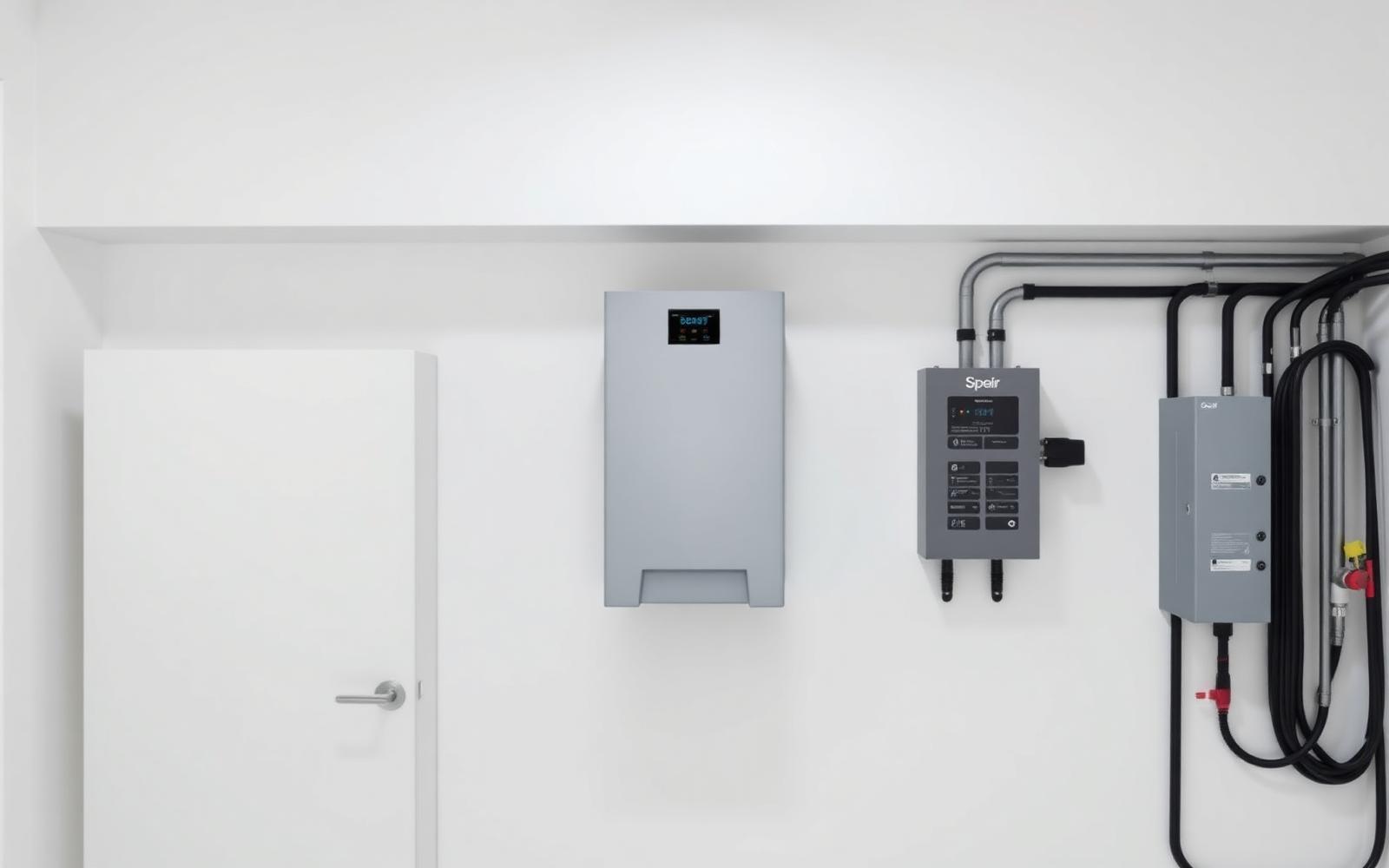
Octopus has been moving steadily from being purely an energy supplier into a vertically integrated energy company. The Nook range is the hardware side of that move: a wall mountable battery aimed squarely at homeowners who already have, or plan to add, solar panels. The standard unit sits in a utility room or garage and is paired with an inverter and a meter to talk to the grid.
Capacities are sold in stackable modules, so a starter unit can be extended over time as a household's needs grow, for example after adding solar, an electric car, or a heat pump. The system is backed by a multi year warranty and integrates with Octopus's own smart control platform.
How a home battery actually saves money
There are three distinct savings buckets, and most households tap at least two.
1. Time of use arbitrage
Smart tariffs like Octopus's flexible plans price electricity differently across the day. Off peak windows overnight can be a third or a quarter of the price of peak evening hours. A battery charges itself overnight from cheap power and discharges into the house during the expensive evening peak, replacing high cost grid imports with stored low cost energy.
2. Solar self consumption
If you have solar panels, the panels often produce more than the house needs at midday and less than the house needs in the evening. Without a battery, the surplus is exported to the grid at a relatively low rate. With a battery, that surplus is stored and used in the evening, replacing higher cost imports. For a typical solar household, this alone shifts a large fraction of generation from being sold cheaply to being consumed at full retail value.
3. Grid services and bill credits
When the household opts in to a smart control programme, Octopus can charge and discharge the battery in coordination with the wider grid, smoothing demand peaks and absorbing surplus renewable generation. In return, participating customers receive bill credits. The exact mechanism varies by region and product, but the principle is the same: your spare storage capacity is genuinely useful to the grid operator and they pay for it.
The smart tariff side of the equation
Hardware alone is half the story. The Nook is designed to work with smart tariffs that expose the underlying time of use prices to a controller, which can then automatically schedule charging and discharging for the cheapest possible blend. Without a smart tariff and a smart controller, a battery still works, but it loses most of its financial edge.
This is also why you should think carefully before bolting a generic third party battery onto a non smart tariff. The economics that make residential storage attractive in 2026 depend heavily on dynamic pricing.
Solar, batteries and grid services together
A typical successful setup looks like this:
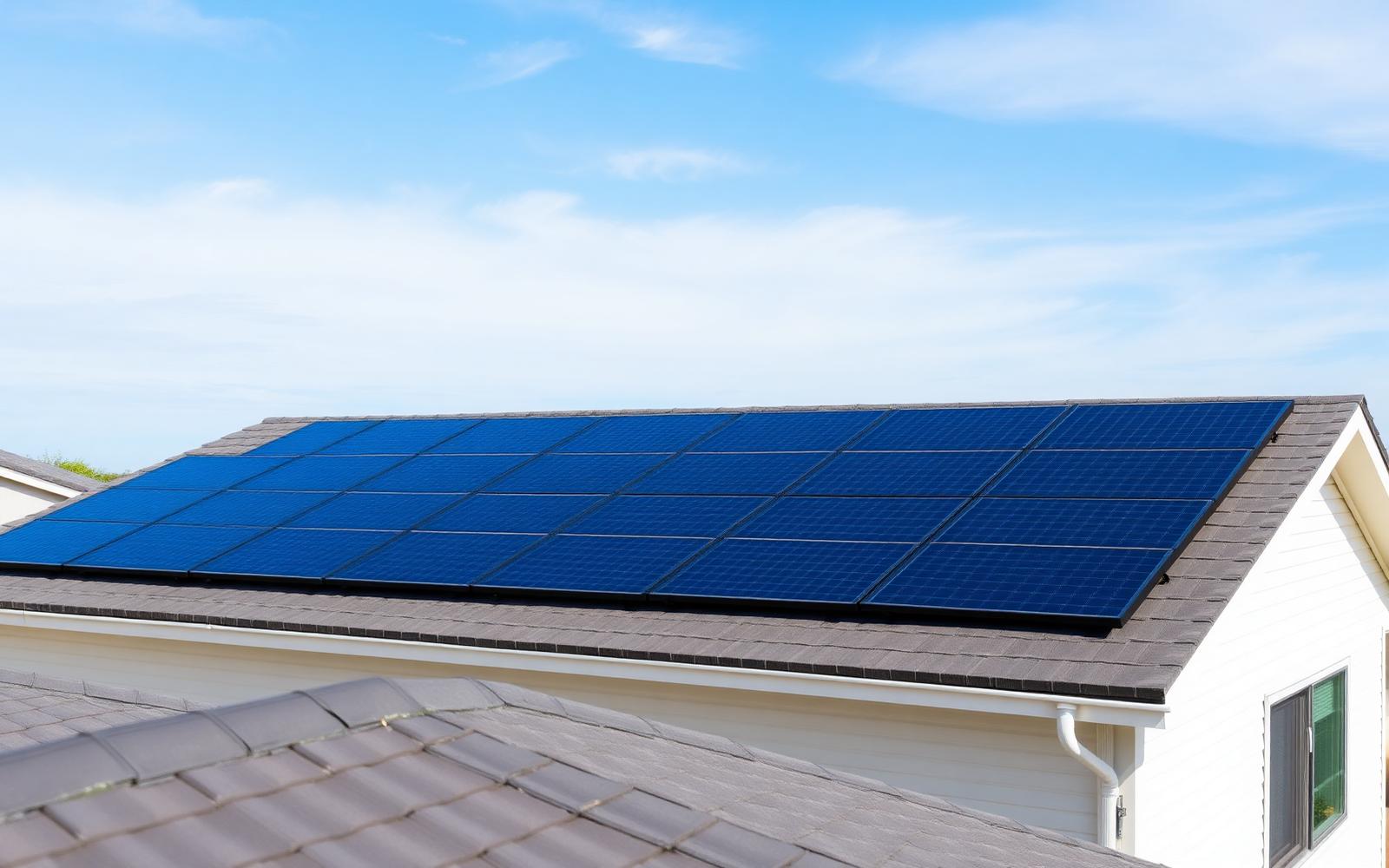
- Roof mounted solar panels generating during daylight.
- A battery sized to roughly the evening shortfall, often in the 5 to 15 kWh range for a family home.
- A smart tariff with cheap overnight rates and an export rate that rewards solar generation.
- Opt in to the supplier's smart control programme so the battery can be operated for grid services in addition to your own consumption.
The single biggest mistake is oversizing the battery for the actual evening shortfall. A battery that only fills to half its capacity each day is one that never pays back its share of the install cost.
Who this kind of battery makes sense for
- Homes that already have solar. The combination is where the math really works.
- High evening consumers. If your peak demand is exactly when grid prices are highest, time of use savings stack up quickly.
- EV households. A battery plus a smart EV tariff can shift huge amounts of consumption into cheap overnight windows.
- Heat pump households. Buffering some heating load via battery storage during expensive hours is increasingly relevant in cold months.
Conversely, a household with very low evening demand and no solar will probably not recover the install cost in any reasonable timeframe.
What to check before signing
Look at the warranty cycle life, not just the calendar years. Look at the depth of discharge that is warranted, because some batteries quote a large nominal capacity but only permit you to use a fraction without voiding the warranty. Check the inverter rating to make sure it can actually deliver the peak power your house pulls during the evening, not just the average. And read the smart control terms, including how often the supplier may charge or discharge the battery for grid services and what happens to the bill credit if you opt out.
The takeaway
The Octopus Nook is one example of a wider shift: the home battery is no longer a luxury bolt on, it is becoming a core part of how a modern grid balances itself. Paired with solar and a smart tariff, it can quietly knock a meaningful chunk off an annual electricity bill while also paying you for letting the supplier use a slice of your capacity. The numbers are real, but the savings only show up if the size, the tariff, and the household match up well.