Quick Answer
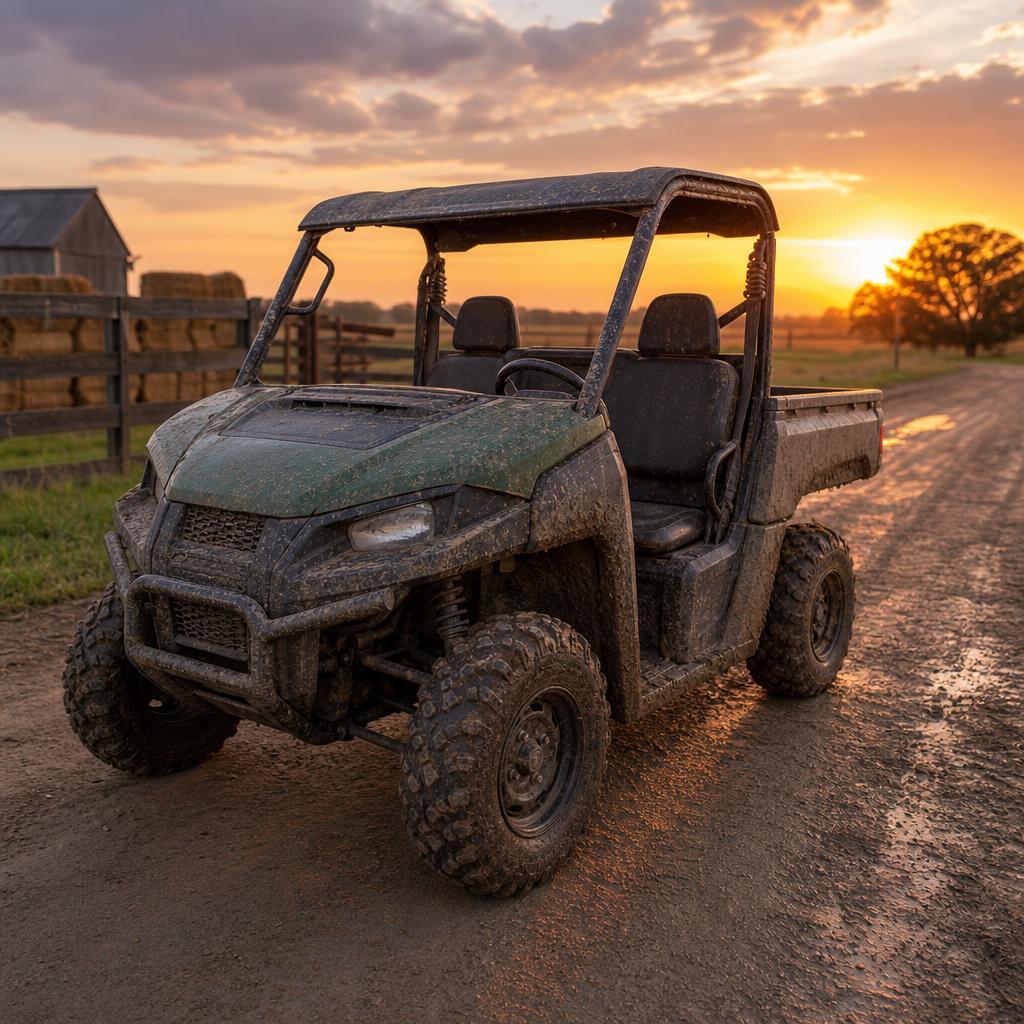
The most reliable side-by-side UTVs on the current market are the Yamaha Wolverine series, the Kawasaki Mule Pro series, and the Honda Pioneer series. All three prioritize conservative engine tuning, industrial-grade drivetrains, and durable electrical hardware over headline horsepower numbers.
If reliability is your top metric, buy Japanese.
Why Japanese brands lead the reliability rankings
Just like in the automotive world, the major Japanese powersports OEMs (Yamaha, Kawasaki, Honda) build UTVs with under-stressed engines, tight quality control, and conservative component margins. American brands like Polaris and Can-Am build faster and more feature-rich machines, but that performance comes at the cost of more aggressive belt loads, hotter engine tuning, and shorter service intervals.
The three most reliable platforms
Yamaha Wolverine series (Ultramatic CVT is the differentiator)
The single biggest driver of Yamaha's reliability reputation is the Ultramatic transmission. Instead of a slip-prone conventional CVT, Yamaha uses a constant-tension centrifugal clutch design that keeps the belt tight against the pulleys at all times. There is no slip, so there is no belt burn. Yamaha backs this with an industry-leading 10-year belt warranty, something no other OEM offers.
Pair that with liquid-cooled parallel-twin engines running conservative compression ratios and you get a platform that logs thousands of trouble-free hours on farms and trails.
Kawasaki Mule Pro series (industrial workhorse)
The Mule Pro is the tractor of the UTV world. Ranchers, contractors, and municipal fleets buy them because they simply refuse to die. Under-stressed 812cc triples, heavy-duty steel frames, sealed electrical connectors, and thick CV axle boots mean routine 10,000-mile lifespans on original hardware are unremarkable.
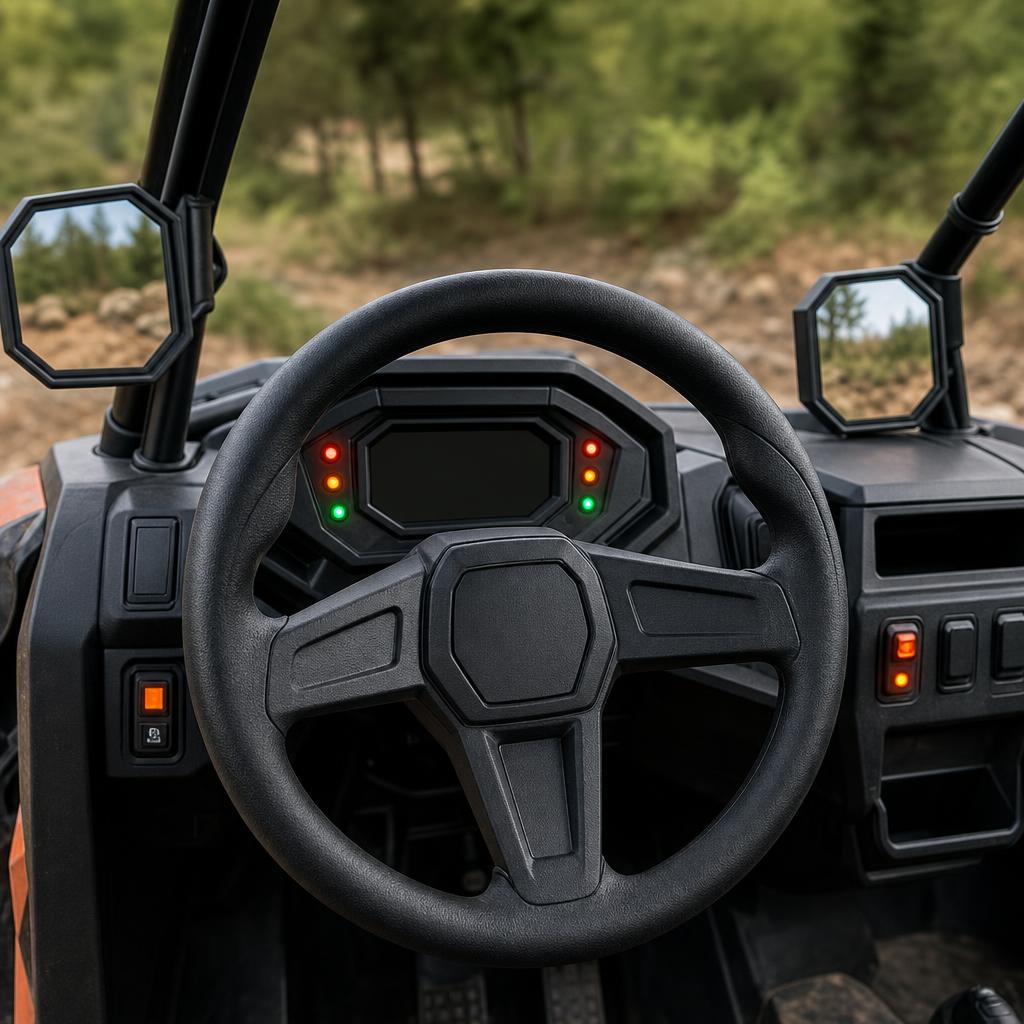
Honda Pioneer series (gear-driven, no belt)
Honda skips the rubber belt entirely on the Pioneer. The Pioneer 700 uses a 3-speed automatic transmission with a torque converter, and the Pioneer 1000 uses a 6-speed dual-clutch. Both transfer power through steel gears, which means there is zero risk of belt failure on a long steep tow or a hard rock climb. This alone eliminates the single most common UTV drivetrain failure mode.
Comparison at a glance
| Platform | Drivetrain | Belt failure risk | Reliability edge |
|---|---|---|---|
| Yamaha Wolverine | Ultramatic constant-tension CVT | Very low (10-year warranty) | Elite clutch engineering |
| Kawasaki Mule Pro | Heavy-duty industrial CVT | Low | Under-stressed engine, indestructible frame |
| Honda Pioneer | Gear-driven DCT / AT | Zero (no belt) | Automotive-grade transmission |
Frequently asked questions about UTV reliability
How many hours should a modern UTV last?
With proper maintenance (fluid changes, air filter service, belt inspections where applicable), a well-built UTV should log 3,000 to 5,000 hours before major driveline work. Utility-oriented Mule Pros and Pioneers routinely exceed that.
Are Polaris and Can-Am unreliable?
Not inherently, but they demand stricter maintenance discipline. Belts and clutches see harder duty because the engines make more power, and complex electronics create more possible failure points. Owners who service them by the book get long lives. Owners who skip belt inspections do not.
What single maintenance habit extends UTV life the most?
Frequent air filter inspection. Powersport engines breathe hard, and a UTV works in the dustiest conditions imaginable. A clogged filter starves the engine and dramatically shortens its life. Check it every ride in dusty terrain.
Maintenance rituals that separate high-hour UTVs from breakdowns
The most reliable side-by-side UTV in the world will still fail if you skip service. The three habits that separate 5,000-hour survivors from 500-hour breakdowns are simple and cheap.
Air filter checks every ride in dust
UTV engines breathe hard and work in the dustiest environments on earth. A blocked filter is the fastest way to shorten engine life. Pop the airbox lid every time you air down, tap the filter clean, and swap in the spare if it looks anything worse than lightly dusty.
CVT belt inspections every 25 hours
Even on Yamaha's Ultramatic system, checking the belt for glazing, cracks, or debris every 25 to 50 hours takes ten minutes and catches problems before they strand you on the trail. Carry a spare belt on every trip further than a mile from the truck.
Fluid changes on OEM intervals, no exceptions
Engine oil, transmission oil, differential fluid, and coolant all have published service intervals in the owner's manual. Stretching them "because it looks fine" is how mid-life failures start. Set a calendar reminder and stick to it.
Warranty coverage is a real reliability factor
Yamaha's 10-year Ultramatic belt warranty and Honda's transmission durability are backed by claims-paying dealer networks. Kawasaki Mule Pro warranty and parts availability are among the strongest in the class. That corporate willingness to pay for real repairs matters as much as raw mechanical durability for owners with long ownership horizons.
What long-hour owners consistently upgrade
Even on the most reliable platforms, high-hour owners commonly upgrade CV boots to heavy-duty units, add skid plates to prevent bash damage, and swap factory shocks for rebuildable Fox or Elka units around the 2,000-hour mark. None of these are reliability defects, just wear-item upgrades that keep a good platform running.
Bottom line
For pure long-term reliability, buy a Yamaha Wolverine, a Kawasaki Mule Pro, or a Honda Pioneer. All three are engineered to outlast most of the trails you will run.