Quick Answer
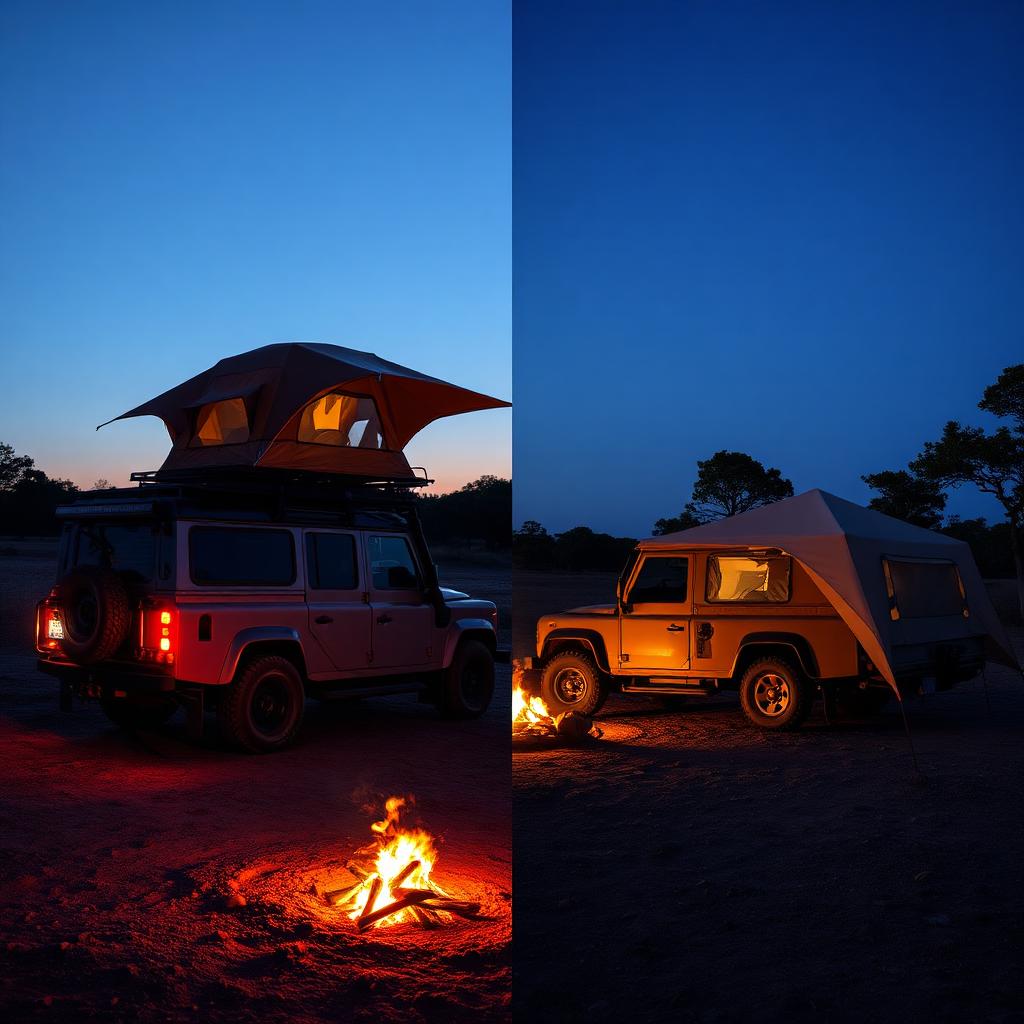
Rooftop tents (RTTs) set up in under three minutes, keep you off the ground, and include a built-in mattress, but they cost ,200 to $4,500, add 120 to 200 pounds high on the roof, hurt fuel economy, and lock you into your campsite. Ground tents cost 50 to $600, keep the vehicle nimble, and let you drive away from camp, at the cost of slower setup and less comfort in weather.
Neither one is objectively better. It comes down to how you travel.
Side-by-side comparison
| Metric | Rooftop tent | Ground tent |
|---|---|---|
| Cost | ,200 to $4,500+ | 50 to $600 |
| Setup time | 1 to 3 minutes (hardshells) | 5 to 15 minutes |
| Vehicle dynamic impact | Adds 120 to 200 lb at roof height | Zero, packed low inside |
| Camp mobility | Poor, tent must be closed to drive | Excellent, leave tent to hold your spot |
| Weather protection | Excellent, heavy canvas, elevated | Good, depends on rainfly quality and staking |
| Comfort baseline | Built-in high-density mattress | Requires a separate pad or cot |
The case for the rooftop tent
RTTs are popular for real operational reasons.
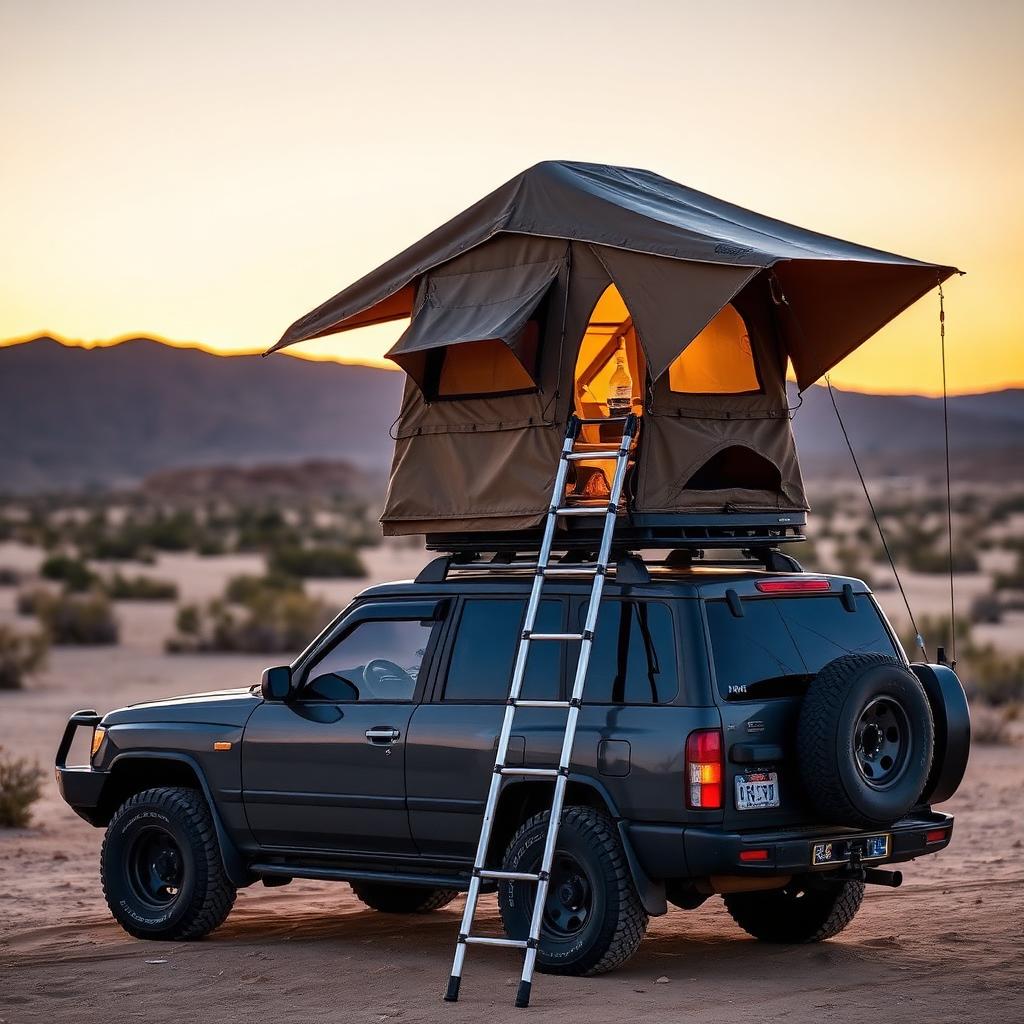
- Instant setup. After a long drive I unlatch the hardshell, gas struts pop it open, and I am done. Bedding, pillows, and mattress are already in place.
- Off the ground. No pooling water under the tent floor, no ants and scorpions in my sleeping bag, no rocks or roots under my hips. Sleep is level regardless of the terrain.
- Better weather protection. Heavy canvas walls block wind and noise far better than nylon.
- Built-in comfort. High-density foam or memory foam mattresses that rival a real bed.
The hidden penalties of the rooftop tent
The Instagram photos hide some real trade-offs.
Raised center of gravity
Putting 150 pounds at roof height turns a stable 4x4 into a top-heavy one. On pavement I get more body roll in corners. On off-camber trails the tipping angle drops. Some manufacturers publish reduced sway-bar disconnect angles or higher rollover warnings for vehicles running RTTs.
Fuel economy hit
The wind drag of a big square canvas box on the roof at 65 mph is real. Owners commonly report a 2 to 4 mpg drop on the highway, plus additional cabin wind noise.
Roof load limits
Most SUV roofs have a dynamic load rating of only 150 to 165 lbs (Land Rover and some Jeeps go higher). A tent and two adults sleeping on it easily exceeds dynamic load specs while parked, which is generally acceptable because the vehicle is stationary. Always check both dynamic and static load ratings for your specific vehicle before mounting an RTT.
The mobility trap
The most frustrating real-world issue is losing my vehicle at camp. Once the RTT is up, if I want to drive down the road to a trailhead or into town for ice, I have to fold up the entire tent, secure the shell, and pack away bedding. That destroys the whole "leave camp set up" workflow. Ground tents let me stake out my spot and drive off freely.
The ground tent revival
Modern fast-pitch ground tents like the Gazelle T4, the Oztent RV-5, or a good freestanding backpacking dome address most of the classic downsides. They pitch in under five minutes, they pack down low inside the cargo area, and they leave the roof rack open for a solar panel or a spare tire. Better yet, the $2,000 to $4,000 I did not spend on an RTT can go toward a fridge, a dual-battery system, or better tires.
Which one to choose
| Your travel style | Better fit |
|---|---|
| Move to a new campsite every night | Rooftop tent |
| Base camp for 3 to 4 days and explore by day | Ground tent |
| Budget under ,500 total | Ground tent |
| Wet, cold, or windy destinations | Rooftop tent |
| Steep off-camber trails and technical terrain | Ground tent (lower center of gravity) |
Frequently asked questions about rooftop and ground tents
What is the biggest practical difference between rooftop and ground tents?
The biggest practical difference between rooftop and ground tents is camp mobility. A ground tent lets you leave camp set up and drive off to fish, hike, or resupply. A rooftop tent forces you to fold everything down before every drive. That single trade-off shapes most of my recommendation for people who base-camp for multiple nights.
Are rooftop tents safe in high wind?
A properly latched hardshell RTT handles sustained wind up to around 30 to 40 mph without drama. Soft-shell fold-out RTTs are more exposed and can flap loudly or shift the vehicle in gusts. If severe wind is forecast, I close the RTT, sleep in the vehicle, or set up a low ground tent instead.
Do I need a special roof rack for a rooftop tent?
Yes. Most factory crossbars are not rated for the dynamic weight of an RTT plus occupants. You need a full-length aftermarket platform rack or crossbars specifically rated for the tent's dynamic load, mounted per the manufacturer's spec.
Bottom line
Pick a rooftop tent if you value fast setup, weather isolation, and premium comfort and you move camp daily. Pick a ground tent if you base camp, drive technical terrain, care about fuel economy, or want to spend your money on electronics instead of canvas. Both are valid tools, but the "right" one is defined by your trip style, not your Instagram feed.