Quick Answer
The best off-road tire pressure depends on terrain. For most trails I run 15 to 18 psi. On washboard gravel roads I stay at 20 to 25 psi. For deep sand or powder snow I drop to 10 to 12 psi. Highway pressure of 32 to 38 psi belongs on pavement, never on the trail.
Airing down is the cheapest, fastest traction upgrade on any 4x4. It costs nothing and takes five minutes.
Why airing down works
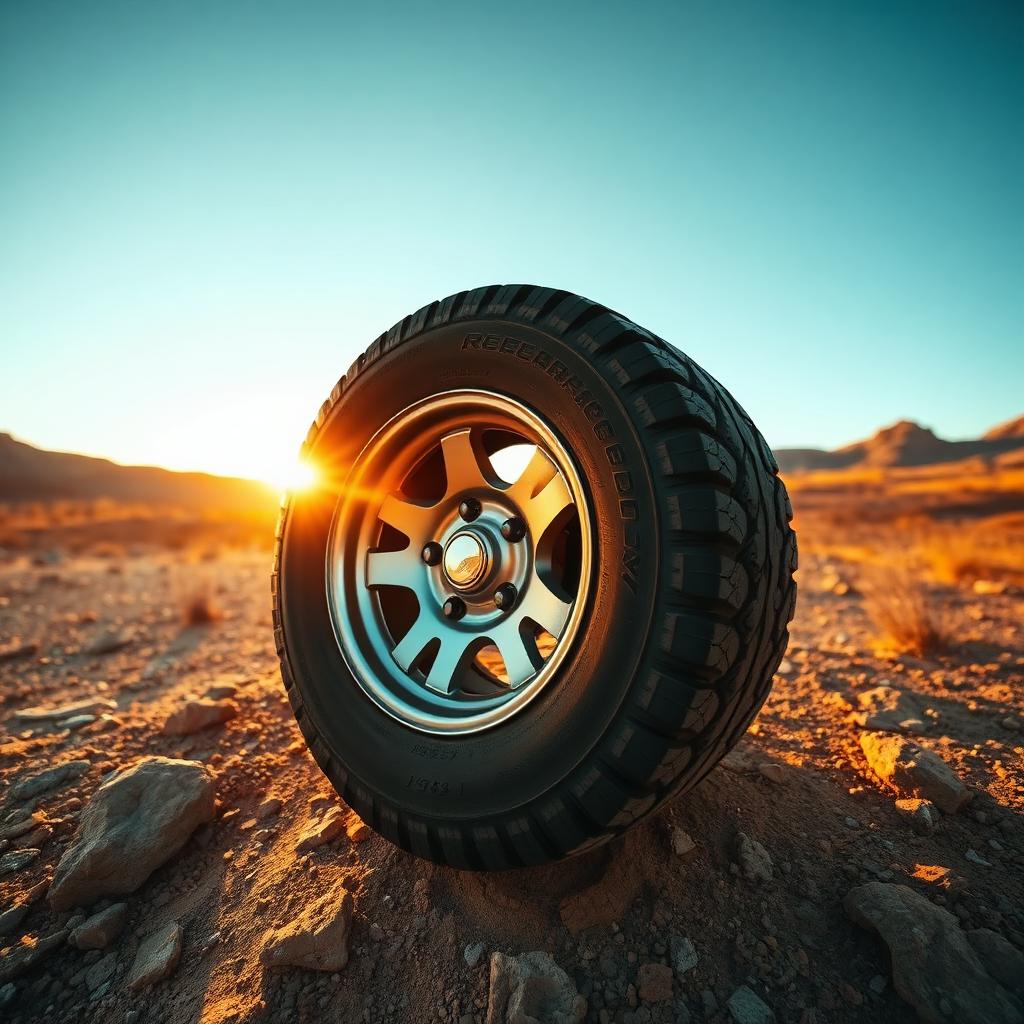
At highway pressure the tire is a stiff, round drum with a small footprint. When I bleed air out, two things change at once: the contact patch stretches longer, and the sidewall gets soft enough to wrap around obstacles instead of bouncing off them.
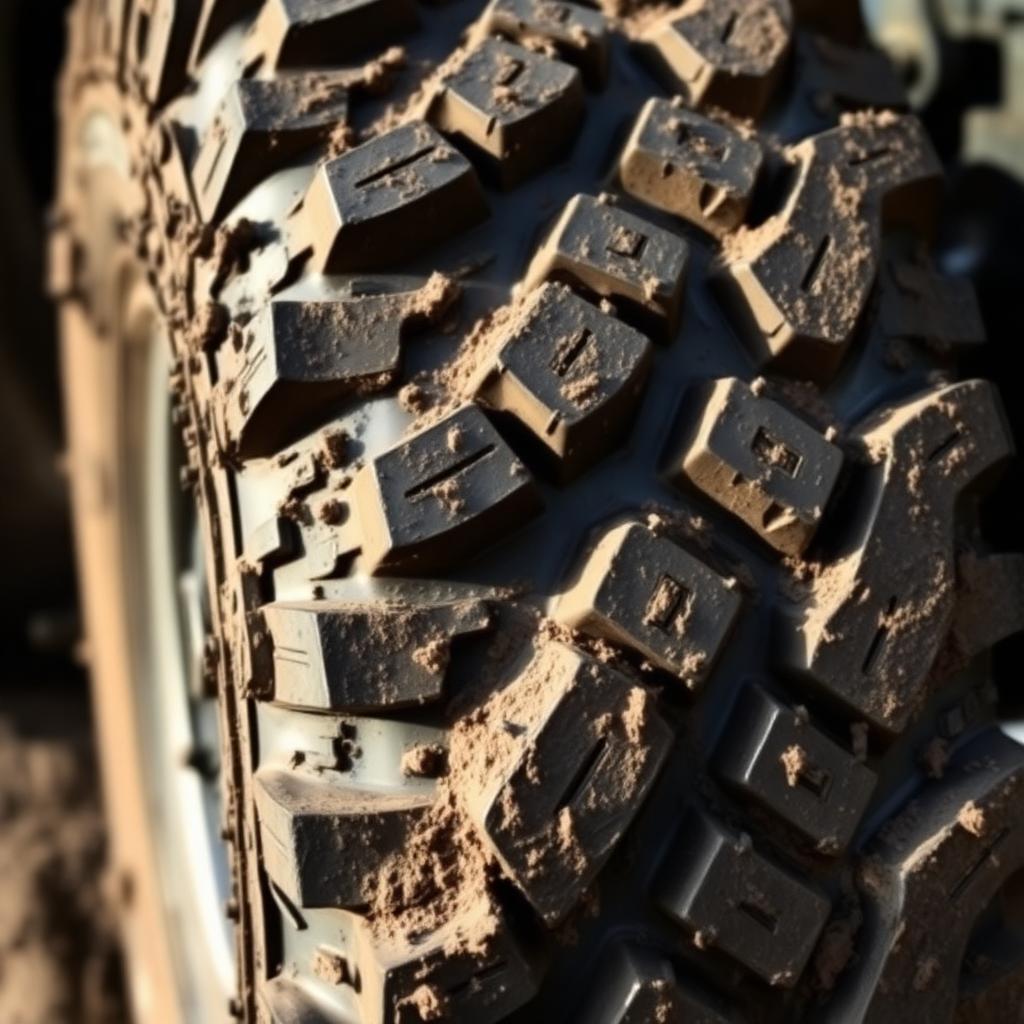
1. A longer contact patch
Deflation flattens the bottom of the tire. Width barely changes, but length grows a lot. On a stock light-truck tire the footprint stretches roughly 30 to 60 percent longer at 15 psi versus 35 psi. That extra area spreads the vehicle's weight across more ground, so the tire floats on sand and mud instead of digging in.
2. Mechanical grip on rock
A rigid tire skips over the top of a rock and the truck loses traction. A soft tire deforms around the rock and physically hooks on it. That mechanical interlock is why a stock 4x4 with the tires aired down can outclimb a lifted rig running highway pressure.
Target pressures by terrain
These ranges assume a stock LT (light truck) tire on a standard, non-beadlock wheel. If I run a passenger-car (P-metric) tire or a beadlock, I adjust from there.
Gravel and dirt fire roads: 20 to 25 psi
On washboard forest roads I care about comfort and puncture resistance more than grip. Dropping to the low 20s smooths out the ride, cuts driver fatigue on long approaches, and still leaves plenty of stiffness for cornering.

General trail and moderate mud: 15 to 18 psi
This is my baseline sweet spot for real trail work. Traction improves dramatically over highway pressure, ride quality goes from harsh to compliant, and the bead stays reliably seated against the wheel through cornering loads.
Deep sand, powder snow, and hard rock crawling: 10 to 12 psi
When flotation matters more than anything, I go into single digits. The footprint becomes paddle-shaped and the tire refuses to sink. Below 12 psi on a standard wheel, though, hard lateral loads can pop the bead off the rim and dump all my air in an instant. I keep speeds under 15 mph and avoid sharp steering inputs at these pressures.
Reference table
| Terrain | Target range | Primary benefit | Max safe speed |
|---|---|---|---|
| Paved highway | 32 to 38 psi | Fuel economy, tread life | Highway |
| Washboard gravel | 20 to 25 psi | Ride comfort, sidewall protection | 40 mph |
| General trail | 15 to 18 psi | Traction, sidewall flex | 20 mph |
| Deep sand or snow | 10 to 12 psi | Flotation, no digging | 15 mph |
How I air down safely
I carry a set of automatic screw-on deflators (Staun-style) preset to 15 psi. On the trail I twist them onto all four valves at once, walk away, and by the time I have packed the trash from lunch they have stopped hissing at the target. If I need a different pressure I switch to a rapid deflator with a built-in gauge and dial it in by feel.
Common questions about off-road tire pressure
Do I need beadlock wheels to air down?
Not for anything above 12 psi. A modern LT tire seats reliably on a standard wheel down to about 12 to 14 psi. Beadlocks only pay off when I regularly run 8 psi and below in rock or deep sand at speed.
What tools do I need?
A rapid deflator with a built-in gauge (around $30 to $50) and a portable 12V compressor to air back up before the highway (around 50 to $250 for a compressor that will keep up with 33 or 35-inch tires).
Do TPMS lights matter off-road?
The dashboard warning will trigger below about 25 percent under placard pressure. On the trail it is expected and safe to ignore. It clears on its own once I air back up.
Can I damage the tire by running low pressure?
Only if I combine low pressure with high speed or sharp turns. Sidewall flex generates heat, and heat destroys casings. Keep speeds moderate and the tire is happy.
Bottom line
The best off-road tire pressure is the lowest one the terrain requires without compromising bead seat or generating heat. Fifteen to eighteen psi covers most trail work, ten to twelve psi handles the extreme stuff, and airing back up before pavement is non-negotiable. A deflator kit and a compressor are the two cheapest upgrades that unlock the most trail capability on any 4x4.