Quick Answer
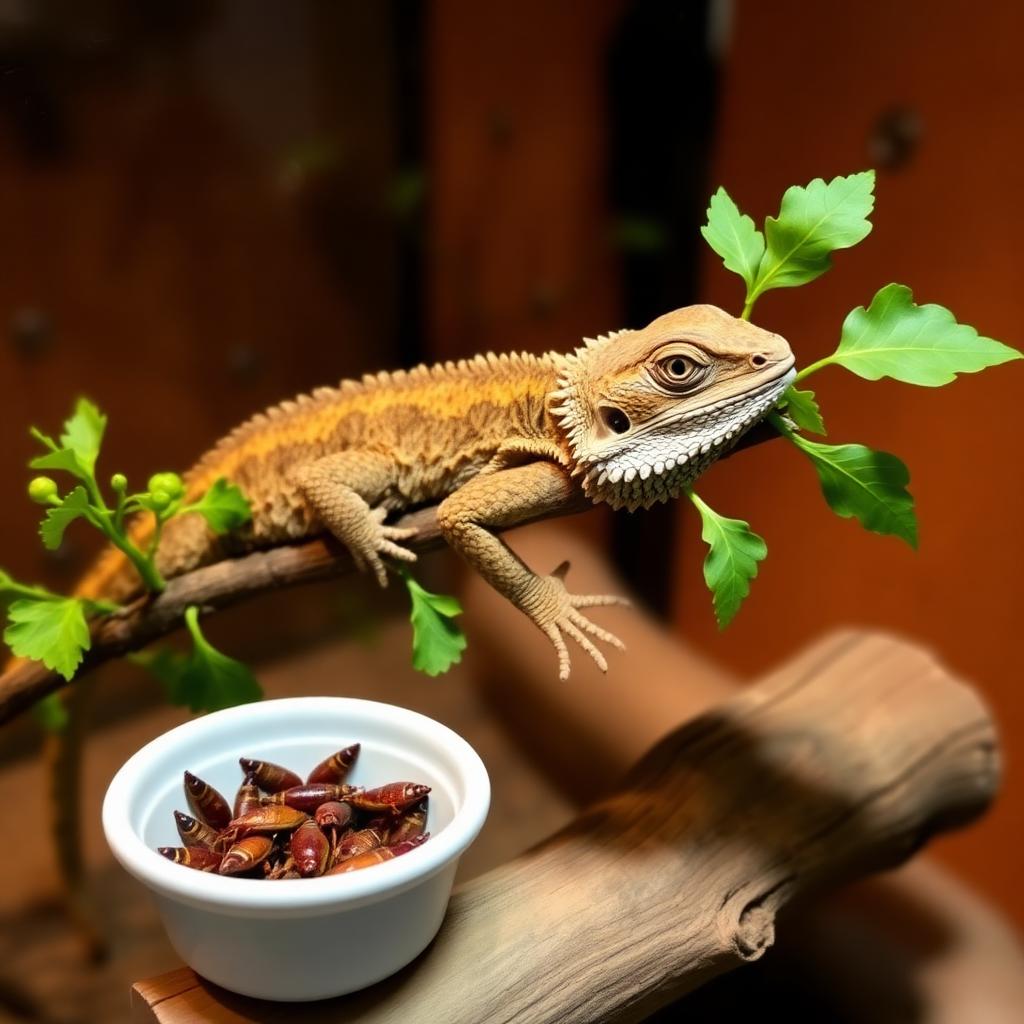
A healthy bearded dragon (Pogona vitticeps) diet changes dramatically with age. Juveniles need a high protein diet of roughly 80 percent live insects and 20 percent leafy greens, while adults flip to 80 percent greens and vegetables with only 20 percent insects.
The most important nutritional rule is maintaining a 2:1 calcium to phosphorus ratio in the overall diet to prevent Metabolic Bone Disease (MBD), which is the single most common preventable killer of captive bearded dragons.
UVB lighting, calcium powder, and a temperature gradient with a 95 to 110 F basking spot are non negotiable companions to the food itself; nutrition cannot work without them.
Feeding ratios by life stage
| Age | Insect to plant ratio | Insect feedings per day | Approximate insects per feeding |
|---|---|---|---|
| 0 to 3 months (hatchling) | 80% insects, 20% greens | 3 to 5 | 10 to 20 small crickets or roach nymphs |
| 3 to 8 months (juvenile) | 70% insects, 30% greens | 2 to 3 | 20 to 40 medium insects |
| 8 to 12 months (sub adult) | 50% insects, 50% greens | 1 to 2 | 15 to 30 medium to large insects |
| 12+ months (adult) | 20% insects, 80% greens | 3 to 5 per week | 10 to 20 large insects per session |
Insect sizing rule: never offer prey wider than the space between the dragon's eyes. Larger prey can cause impaction or hindlimb paralysis.
Approved live insects
- Dubia roaches. The gold standard. Excellent protein to chitin ratio (around 22 percent protein, low fat), naturally low in phosphorus, and they cannot climb glass or chirp.
- Crickets. Cheap and widely available but must be gut loaded for 24 to 48 hours before feeding. They die quickly and can stress dragons by climbing on them.
- Black soldier fly larvae (BSFL, also sold as Phoenix worms or Calci-Worms). Naturally calcium rich at roughly 2:1 calcium to phosphorus ratio. Excellent staple.
- Hornworms. Very high moisture, low fat. Useful for hydration and dragons recovering from illness. Limit to occasional because of softness.
- Silkworms. Soft bodied, high in protein and calcium, low fat. Excellent staple but expensive and short shelf life.
Insects to use sparingly or avoid
- Mealworms. High chitin shell, low calcium, high fat. Acceptable for adults as an occasional treat. Avoid for juveniles, which struggle to digest the hard exoskeleton (impaction risk).
- Superworms. Same issues as mealworms plus enough jaw strength to bite. Use only for large adults, limit to 2 to 4 per week.
- Waxworms. Around 60 percent fat. Reserve for occasional treats or coaxing sick dragons to eat. Daily feeding causes obesity and fatty liver.
- Wild caught insects. Never feed. Pesticide, parasite, and pathogen risk is too high.
- Fireflies. Toxic. A single firefly can kill a bearded dragon.
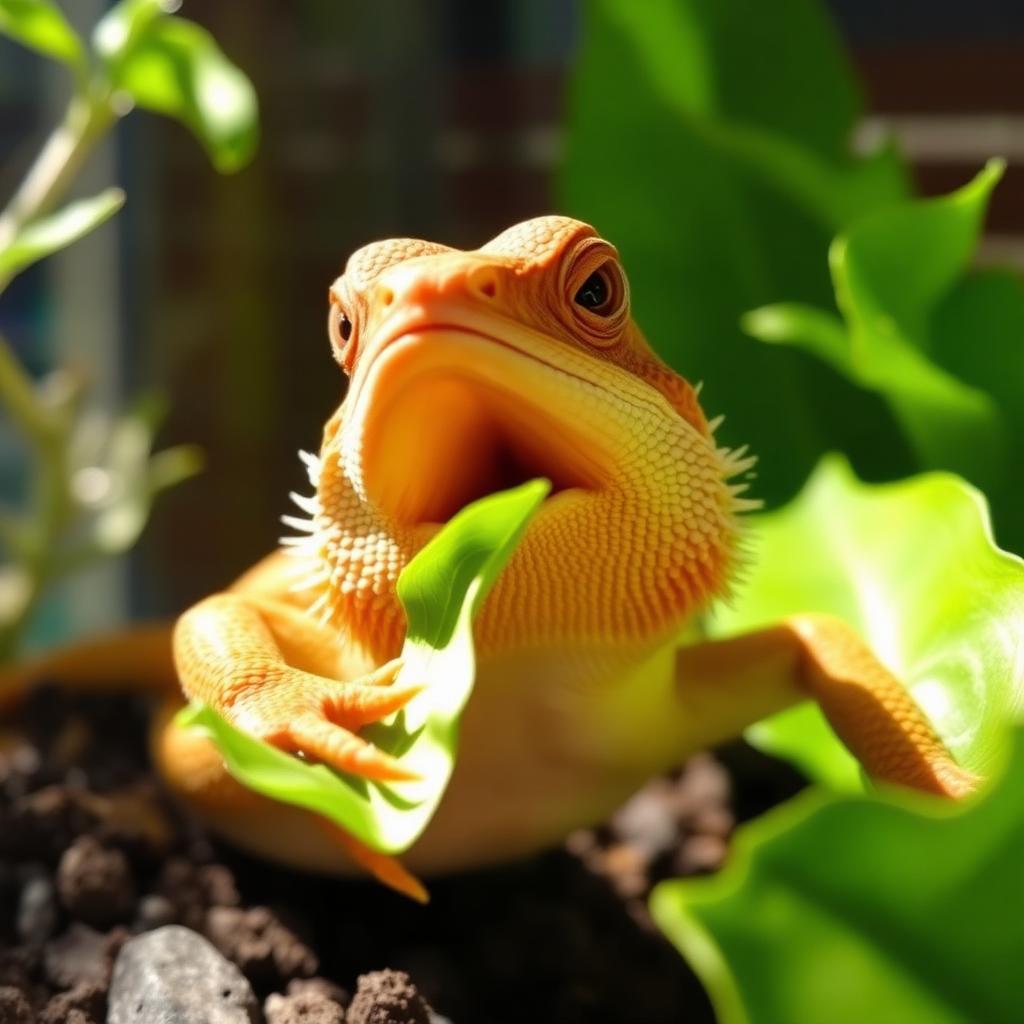
Best leafy greens and vegetables
The salad portion should be the most colorful part of the enclosure each day.
| Food | Frequency | Calcium to phosphorus ratio | Notes |
|---|---|---|---|
| Collard greens | Daily | 14.5:1 | Calcium powerhouse, staple base |
| Mustard greens | Daily | 2.4:1 | Excellent staple |
| Turnip greens | Daily | 4.5:1 | Mild flavor, well accepted |
| Dandelion greens | Daily | 2.8:1 | Wild only if pesticide free |
| Endive and escarole | 3 to 5x per week | 1.9:1 | Hydrating, mild bitter |
| Butternut squash | 2 to 3x per week | 1.5:1 | Grate raw on top of salad |
| Bell pepper | 2 to 3x per week | 0.5:1 | Vitamin C and color cue |
| Bok choy | 1 to 2x per week | 2.8:1 | Goitrogenic in excess |
Foods to avoid completely
- Iceberg lettuce. Almost zero nutritional value, mostly water, causes diarrhea.
- Spinach. High oxalates bind calcium and prevent absorption, contributing to MBD.
- Avocado. Contains persin, toxic to reptiles. Can be fatal.
- Rhubarb. High oxalic acid, toxic.
- Onion, garlic, leeks, chives. All allium family, toxic to reptiles.
- Citrus fruit. Too acidic, causes digestive upset.
- Dairy. Reptiles cannot digest lactose.
- Bread, pasta, processed human food. No nutritional value, cannot be digested.
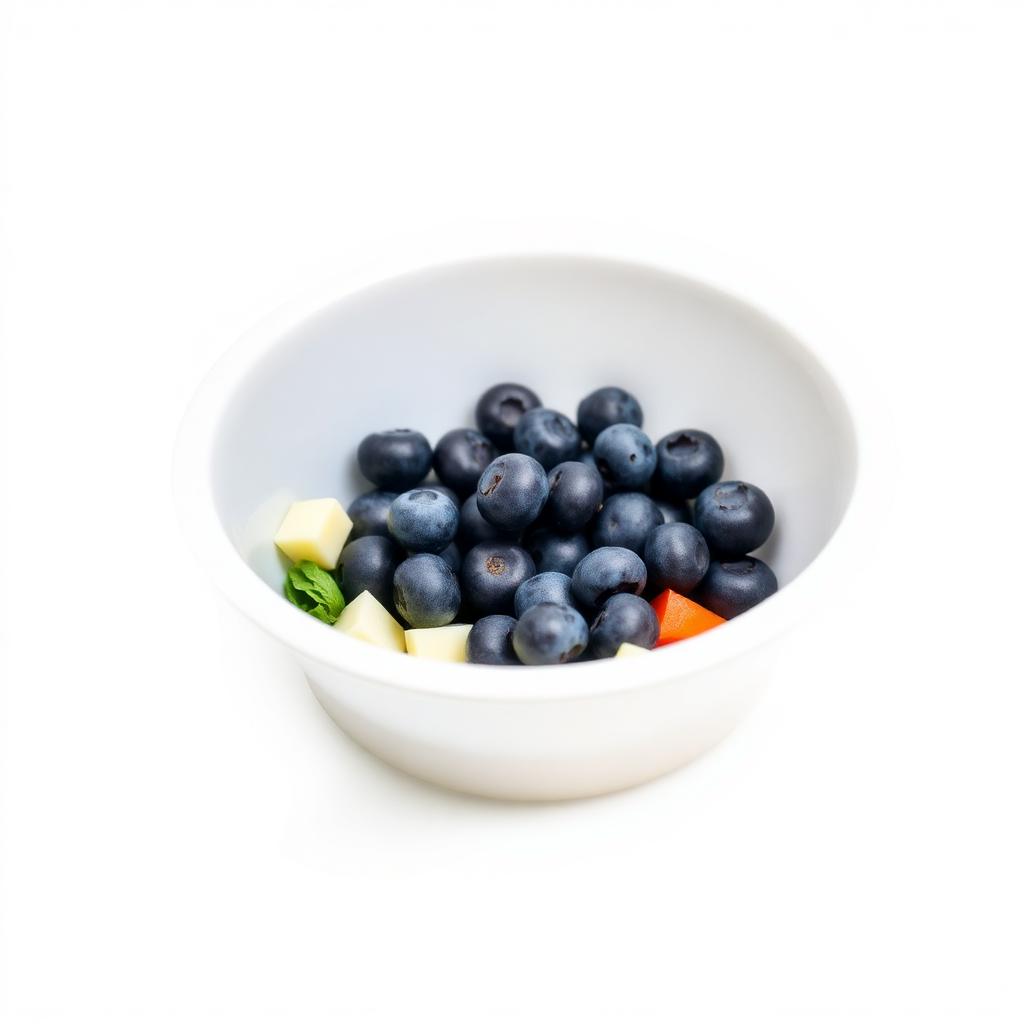
Fruit (treat only, not staple)
Fruit should be no more than 10 percent of total adult diet because of high sugar content.
- Berries (blueberries, raspberries, blackberries): 1 to 2 small pieces, 1 to 2 times per week.
- Mango, papaya, melon: small cubes, once per week.
- Figs: high in calcium, 1 small piece per week.
- Apple and pear: peeled, deseeded, finely chopped, once every 2 weeks.
Calcium and vitamin supplementation schedule
Indoor enclosures lack natural UVB sunlight, so dietary supplementation is mandatory.
| Age | Calcium with D3 | Calcium without D3 | Multivitamin |
|---|---|---|---|
| Hatchling to 6 months | 5 days per week | n/a | 1x per week |
| 6 to 12 months | 3 days per week | 2 days per week | 1x per week |
| 12+ months | 2 days per week | 2 days per week | 1x per week |
Dust insects lightly with calcium powder right before feeding. Multivitamin should never overlap with calcium with D3 on the same day to avoid hypervitaminosis A.
Hydration
- Mist the enclosure walls lightly once per day. Dragons drink moving water and condensation more readily than standing water.
- Provide a shallow water dish, but expect minimal drinking.
- Bathe juveniles 2 to 3 times per week in shallow lukewarm water (about 90 to 95 F) for 10 to 15 minutes.
- Adults benefit from a weekly bath.
- Hornworms, fresh greens, and bell pepper contribute meaningful dietary water.
Warning signs of dietary problems
- Tremors, twitching limbs, soft jaw. Classic signs of MBD. Immediate vet visit.
- Black bearding plus refusal to eat. Stress, illness, or temperature problems.
- Bloated belly, no defecation for over 7 days. Impaction. Warm bath, gentle belly massage; vet visit if no result in 24 hours.
- Yellow fungus on skin. Yellow Fungus Disease, almost always fatal, requires immediate exotic vet.
- Sunken eyes, wrinkled skin. Dehydration.
FAQs
How often should an adult bearded dragon eat insects?
3 to 5 times per week. Daily insect feeding in adults causes obesity and fatty liver disease.
Can I feed only dubia roaches?
Yes, dubia plus a varied salad rotation is a complete nutritional plan. Rotating in BSFL and silkworms adds variety and extra calcium.
Do I really need UVB lighting?
Yes. Without UVB, dragons cannot synthesize vitamin D3 and will develop MBD even with perfect food. Use a 10 to 12 percent UVB linear tube, replaced every 6 to 12 months.
Why is my dragon not eating greens?
Most dragons need to be trained to greens. Offer greens in the morning before insects, rotate varieties, add color with bell pepper or grated squash, and never give up after one rejection.
The takeaway
Bearded dragons need a high insect diet as juveniles and a vegetable forward diet as adults, anchored by a 2:1 calcium to phosphorus ratio and consistent UVB exposure. Stick to dubia roaches, BSFL, and silkworms for staple insects, build the salad around collard, mustard, and turnip greens, dust with calcium according to the schedule, and your dragon will live 10 to 15 healthy years.