Quick Answer
Overlanding is self-reliant vehicle-based travel to remote destinations where the journey is the point. For beginners, it does not require a lifted rig. Any stock AWD SUV or 4x4 can start on graded forest roads. The first purchases should be offline maps, water storage, sleep setup, portable power, and a satellite communicator.
You do not need to sell a kidney for a rooftop tent. Start with what you own.
What overlanding actually is
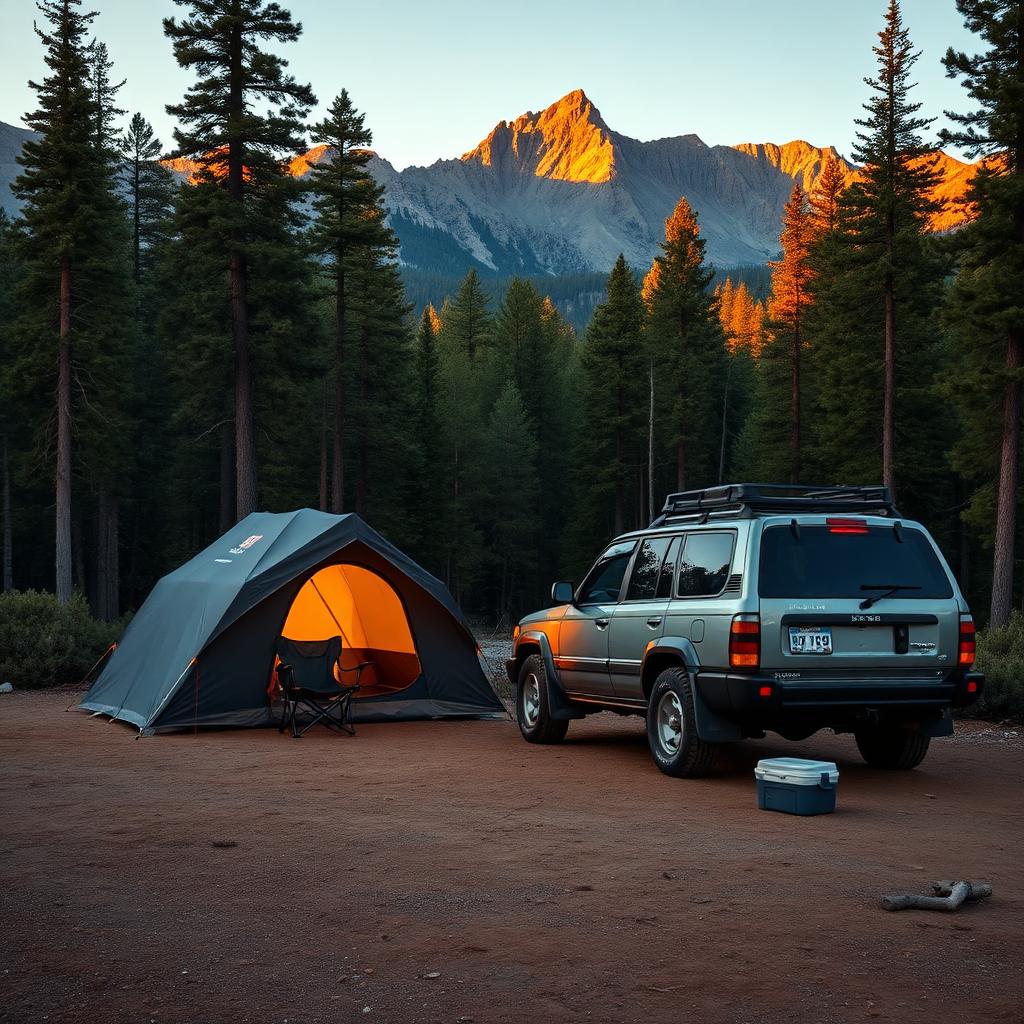
Overlanding is not extreme rock crawling and it is not RV park hopping. It sits between the two. The core idea is self-reliant travel across remote terrain where the driving and camping are one continuous experience. On a typical trip I move to a new remote camp most nights, navigate changing terrain, and carry everything I need for food, water, power, and sleep.
The biggest myth: you need a built rig
The single most common myth I hear from beginners is that you need a lifted rig with 35-inch tires before you can start overlanding.
The reality is that most established overland routes in North America, like the Backcountry Discovery Routes (BDRs) or Forest Service dirt tracks, are graded gravel, dirt, and packed sand. A stock Subaru Outback, a Toyota RAV4, or an unmodified pickup handles that terrain without complaint. The only reason to add lift kits and larger tires is if you specifically want to run harder, technical trails. Spend your first dollars on safety, navigation, and sleep. Skip the vehicle mods until you understand what you actually need.
The essential five-item beginner kit
For a first overland weekend, I focus my budget on these five categories rather than shiny truck parts.
| Category | Beginner pick | Purpose |
|---|---|---|
| Navigation | Gaia GPS or OnX Offroad (offline downloaded maps) | Tracks your position by GPS when cell towers are gone. |
| Water | Two heavy-duty 5-gallon jerry cans (Reliance or Scepter) | Guarantees drinking, cooking, and hygiene for multiple days. |
| Shelter | Existing ground tent or a simple sleep platform inside the vehicle | Weatherproof sleep without the rooftop tent price tag. |
| Power | 500Wh portable lithium power station (Jackery, EcoFlow) | Powers phones, cameras, and camp lights without touching the starter battery. |
| Communications | Garmin inReach Mini or Zoleo satellite messenger | Two-way messaging and SOS out of cell range. |
How to plan your very first trip
I never tell beginners to plan a three-week Continental Divide expedition for their first outing. The odds of an expensive lesson are too high. Instead I use two tricks.
The driveway test
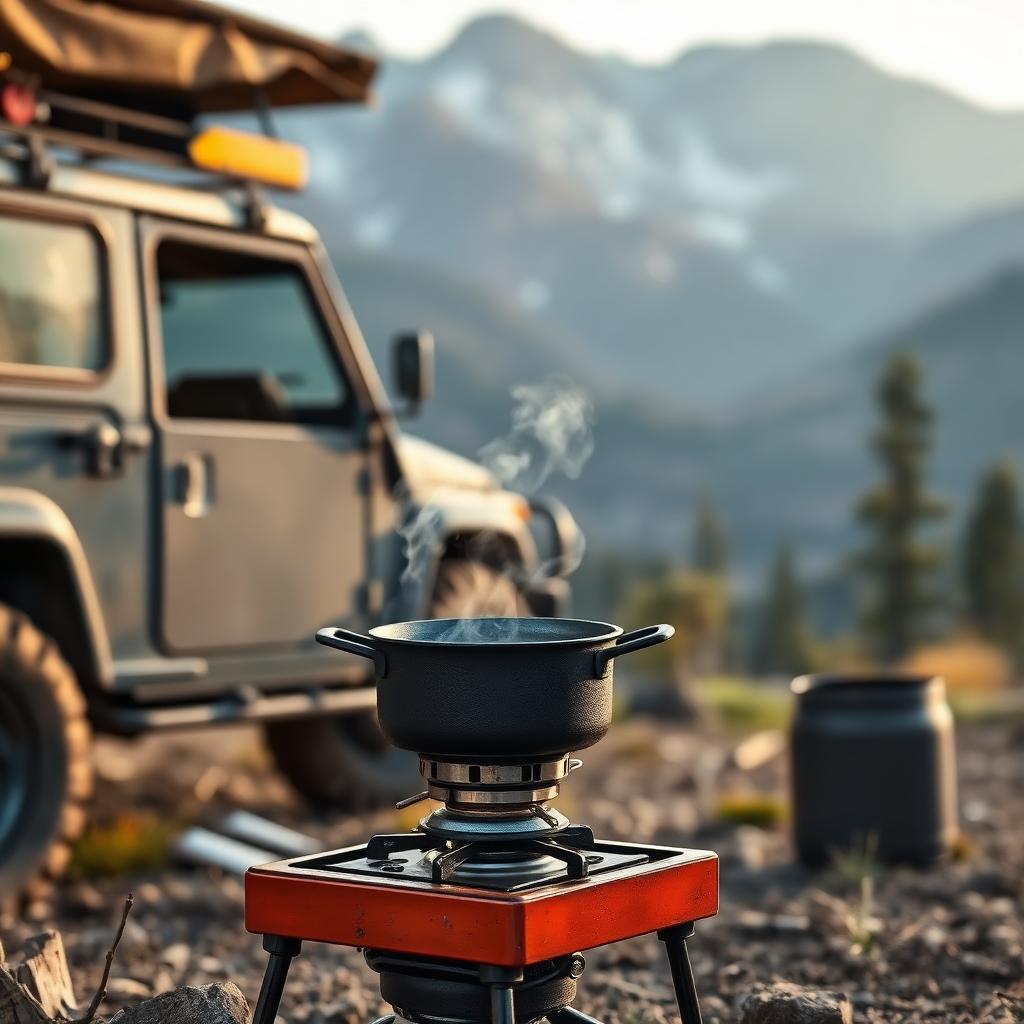
Before the real trip, I pack the vehicle exactly as I plan to for the weekend and I spend a Friday night sleeping in the tent in the driveway or backyard. I cook every meal on my camp stove. This dry run instantly exposes anything I forgot: a spatula, a headlamp, a warmer sleeping bag, contact lens case, whatever.
The 2-hour radius rule
For the first real trip, I pick public land (BLM or National Forest) within a two-hour drive of home, bring a second vehicle with a friend, and plan a single night out. Confidence builds on short trips with easy bailouts.
Understanding public land basics
You cannot camp anywhere you want. The two friendly agencies for overlanders in the US are:
- Bureau of Land Management (BLM). Generally allows free dispersed camping up to 14 days per location on established clearings.
- US Forest Service (USFS). Allows dispersed camping in most forests unless posted otherwise. Always check the Motor Vehicle Use Map (MVUM) for the specific forest to make sure the road is legally open to your vehicle.
Frequently asked questions about overlanding for beginners
Is overlanding the same thing as car camping?
Not quite. Car camping usually happens at a designated campground with running water, picnic tables, and a camp host. Overlanding intentionally leaves those services behind. The vehicle carries the water, the power, and the shelter, and each night's camp is somewhere different and remote. There is real overlap, but the mindset is different.
Do I need to be mechanical to start overlanding?
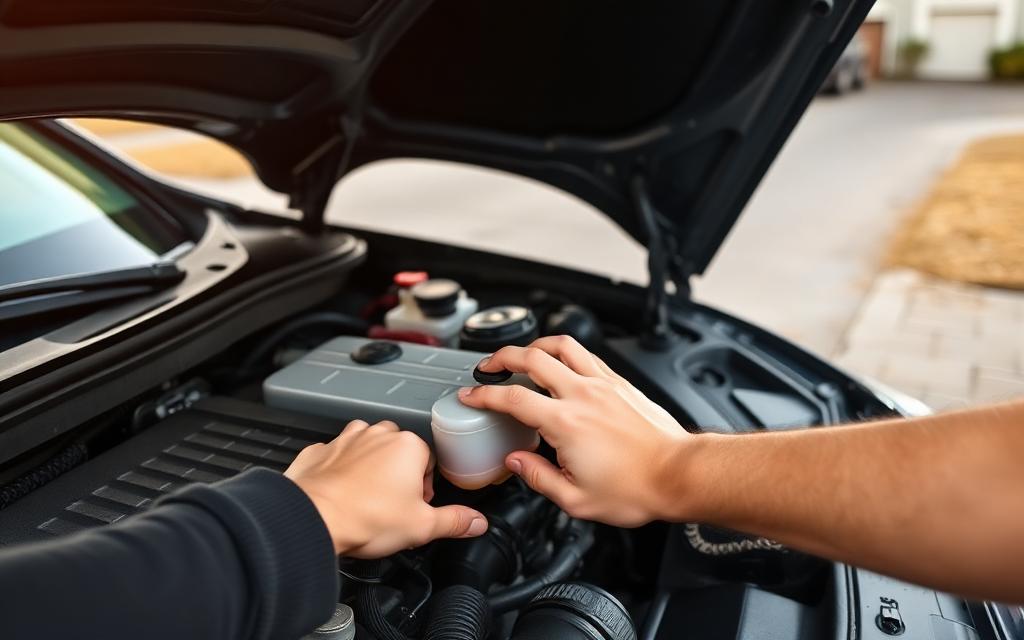
You do not need to rebuild a transfer case, but you should know how to change a tire, jump a battery, check fluids, and identify the difference between engine oil and coolant. Basic mechanical literacy plus a satellite communicator covers most first-year emergencies.
Is overlanding expensive to start?
It is only as expensive as you make it. My first overland weekend used the SUV I already owned, a $150 tent, a Costco cooler, two water jugs from a hardware store, a Garmin inReach on a monthly plan, and offline maps on my phone. Total additional spend was under $500. The rooftop tents and lithium banks come later if you decide the hobby sticks.
Bottom line
Overlanding is a philosophy of independent, self-reliant travel, not a gear brand or a bumper build. Ignore the marketing. Start with the vehicle you own, invest in navigation, water, sleep, power, and communications, run a driveway test, and take a short first trip within two hours of home. Do that and you will quickly find out whether the journey really is your destination.