Quick Answer
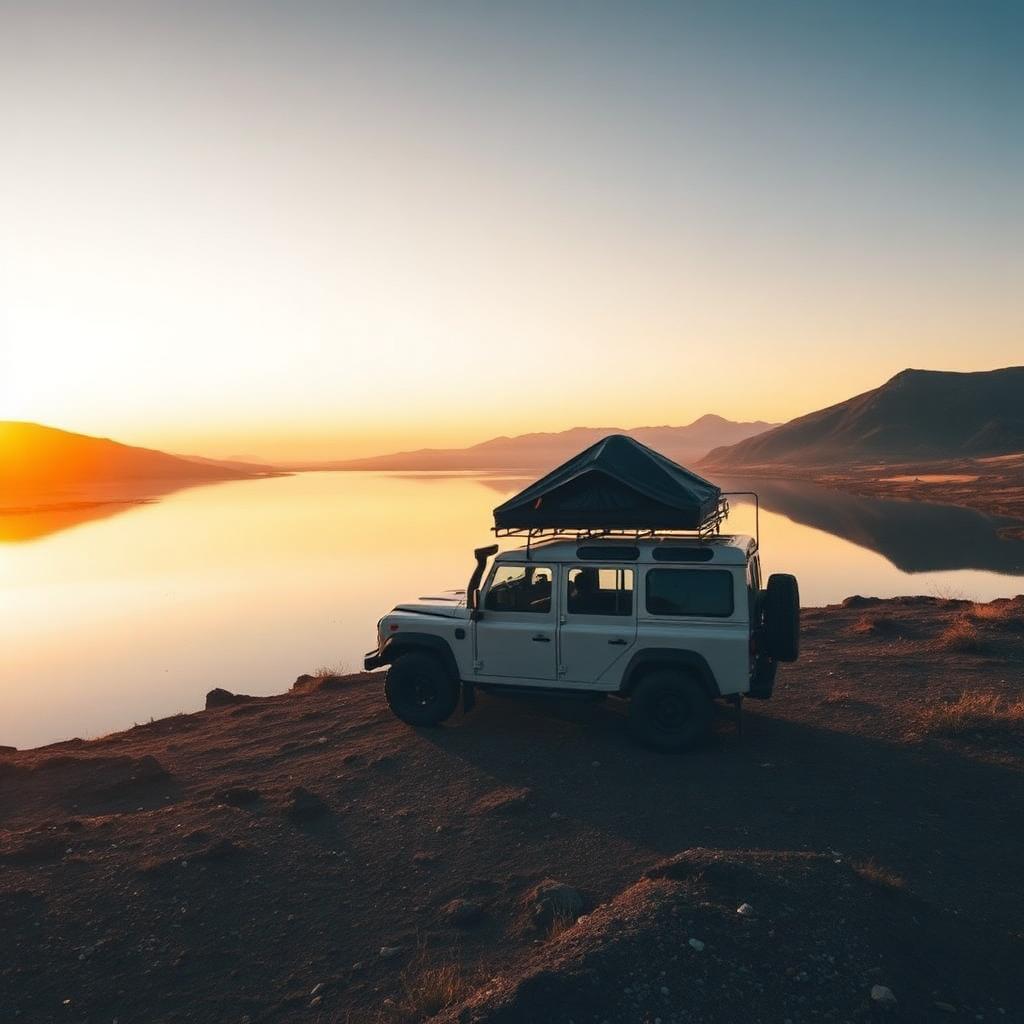
Overlanding is self-reliant vehicle-based travel to remote destinations, where the journey itself is the point and camping is the primary lodging. Off-roading, by contrast, treats the terrain itself as the destination.
An overland trip lasts days, weeks, or months and often crosses states or borders. An off-road day might cover half a mile of rock over eight hours and still count as a success.
What overlanding actually is
Overlanding traces its modern form to expeditions across Africa and Australia in the mid-20th century, then to the Camel Trophy events in the 1980s and 1990s. Today the definition most people use comes from Overland Journal: self-reliant overland travel to remote destinations where the principal form of lodging is camping.
The key words are "self-reliant" and "journey." I am not driving to a technical obstacle. I am carrying my food, water, shelter, and recovery gear to a remote place I want to see, using the vehicle as the means and often the bed.
Overlanding vs off-roading, side by side
| Feature | Off-roading | Overlanding |
|---|---|---|
| Primary goal | Overcoming difficult terrain | Reaching a remote destination |
| Trip duration | Hours to a day | Days, weeks, or months |
| Lodging | Home or base camp at night | Sleeping in or on the vehicle |
| Packing | Light for agility | Heavy for self-sufficiency |
| Terrain difficulty | Moderate to extreme | Easy to moderate |
| Key gear | Winch, lockers, roll cage | Fridge, dual battery, water, tent |
The three core differences
1. Obstacle vs destination
In pure off-roading, the terrain is the destination. Eight hours to clear a half-mile of boulders is a great day. In overlanding, the terrain is a means to an end. If I hit an impassable obstacle, I look for a bypass to protect the vehicle and preserve fuel for the days ahead.
2. Agility vs self-sufficiency
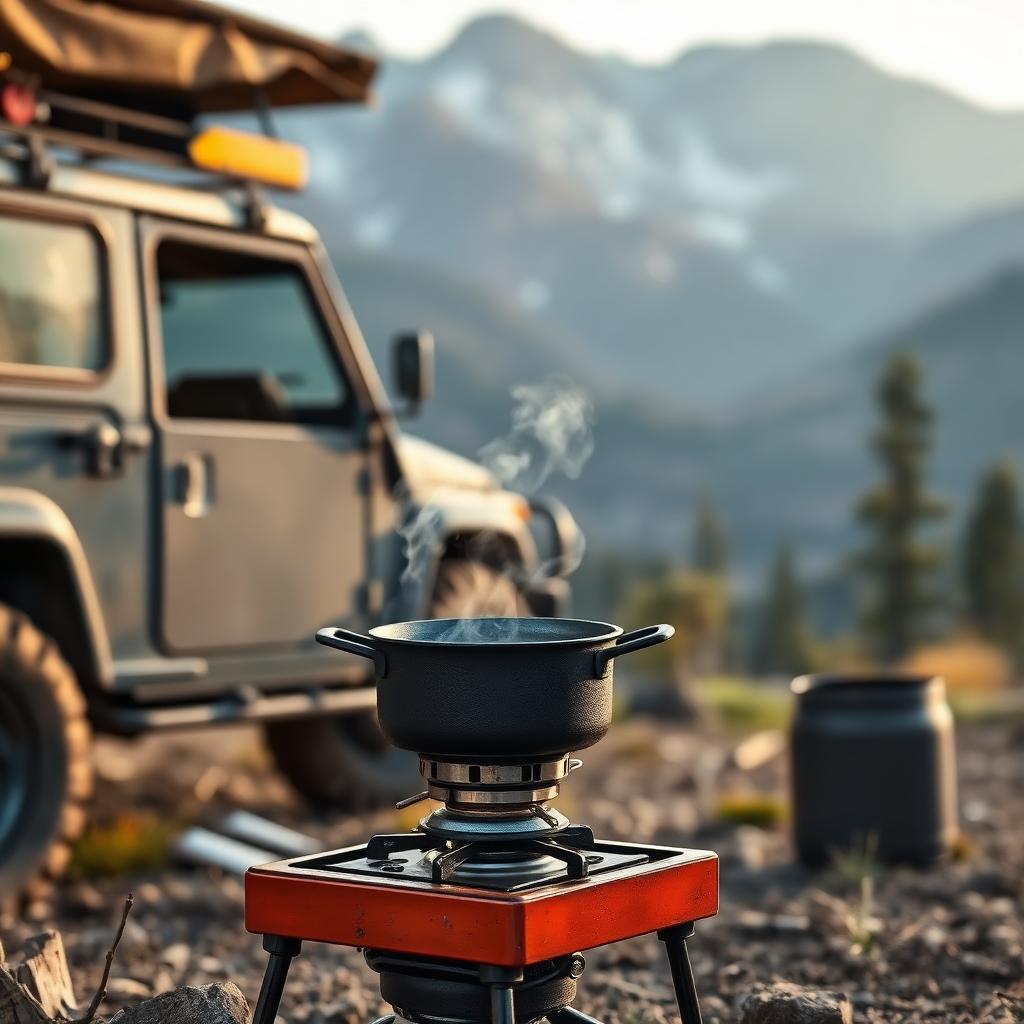
Off-road rigs are built light and stiff. Overland rigs are built to carry water, food, power, shelter, and recovery gear for a week or more. That shifts the whole vehicle setup toward payload management, cooling and power systems, and comfort.
3. Risk management
An off-roader on a busy trail can accept high-risk lines because recovery is a phone call away. An overlander hundreds of miles from the nearest town cannot. Reliability, mechanical preservation, spare parts, and communication (satellite messenger, PLB, HF radio) become the priority.
Overland vehicle setup vs off-road setup
- Suspension: Overlanders tune for loaded ride quality and payload. Off-roaders tune for flex and stiff articulation.
- Tires: Overlanders lean toward all-terrain tires that survive thousands of highway miles. Off-roaders lean toward aggressive mud-terrain or dedicated crawl tires.
- Power system: Overlanders run dual-battery or lithium systems plus solar for fridges, lights, and charging. Off-roaders rarely need more than the factory battery.
- Shelter: Overlanders use rooftop tents, ground tents, or full camper builds. Off-roaders may not carry any shelter at all.
Bottom line
Overlanding uses off-road skills, but it is fundamentally long-distance adventure travel. If your goal is to break a weekend against a rock garden, you are off-roading. If your goal is to pack your life into a rig and disappear into the backcountry for a week, you are overlanding. Buy the vehicle and gear that match the goal you actually have, not the Instagram version of it.
What makes overlanding different from off-roading in practice?
The single most useful way to explain how overlanding different from off-roading plays out on a real trip is to look at how each driver treats an obstacle. The off-roader sees a rock ledge and asks, "what is the cleanest line over this?" The overlander sees the same ledge and asks, "is there a bypass so I do not risk breaking a control arm two hundred miles from a tow truck?" Same terrain, opposite instincts.
Can one vehicle do both?
Yes, and most people's real rigs are a compromise. A Wrangler Rubicon Unlimited, a fifth-generation 4Runner, or a Land Cruiser 200-series with a modest lift, all-terrain tires, and a proper storage build handles both trail weekends and week-long overland trips well. Pure rock buggies and pure roof-tent tourers are the opposite ends of the same spectrum.
Do I need a diesel to overland?
No. Diesel is popular for long range and torque under a heavy load, but modern gasoline drivetrains are perfectly viable, and outside the United States diesel fuel quality varies wildly. What matters is a proven, common engine you can service anywhere, not the fuel type.
Is overlanding expensive to start?
Not if you scale it. A stock 4x4, a ground tent, a two-burner stove, a good cooler, and a 5-gallon water jug will put you on the road for a weekend for under a thousand dollars in gear. Rooftop tents, dual-battery systems, and 12V fridges are upgrades, not requirements.
How far ahead should I plan an overland route?
For a weekend loop, a few evenings of map work is plenty. For a week or more, I plan fuel stops, water refills, and one bail-out point per day at least two weeks ahead. Backcountry Discovery Routes and GAIA GPS tracks are excellent starting points that already flag services and permit requirements along the way.