Quick Answer
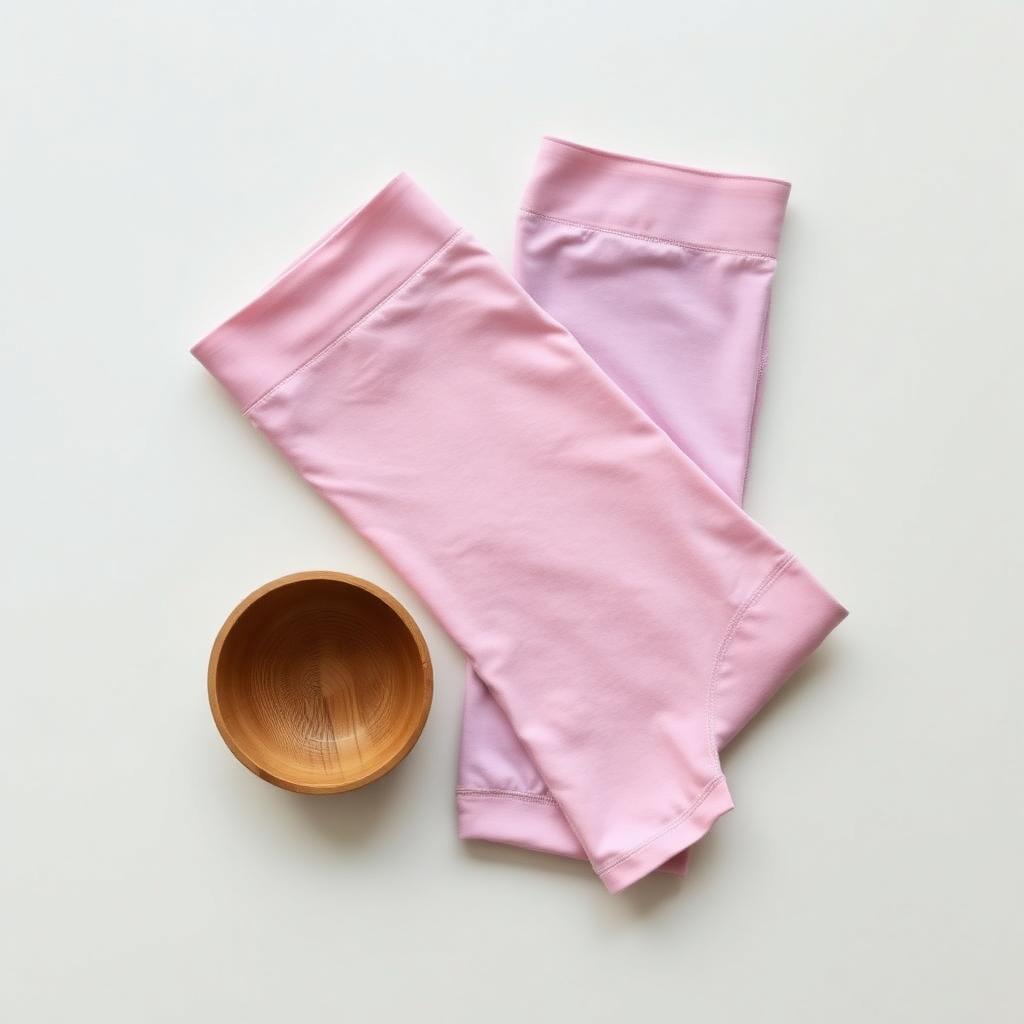
Nulu is a premium synthetic activewear fabric built from 81 percent nylon and 19 percent Lycra elastane. It is famous for the "naked sensation": an ultra lightweight, second skin feel that almost disappears against the body.
The fabric powers some of the best selling leggings and sports bras in the modern athleisure world, particularly the soft, low impact pieces designed for yoga, Pilates, and lounging.
Nulu prioritises softness over compression and works best where comfort matters more than support.
What Nulu is actually made of
The composition is consistent across most generations of the fabric.
- 81 percent nylon: provides structure, durability, and moisture management.
- 19 percent Lycra elastane: an unusually high percentage that gives a 360 degree stretch.
That elastane share is what makes the fabric feel like skin rather than a layer on top of it. Most performance blends sit closer to 12 to 15 percent elastane.
How the buttery soft texture is engineered
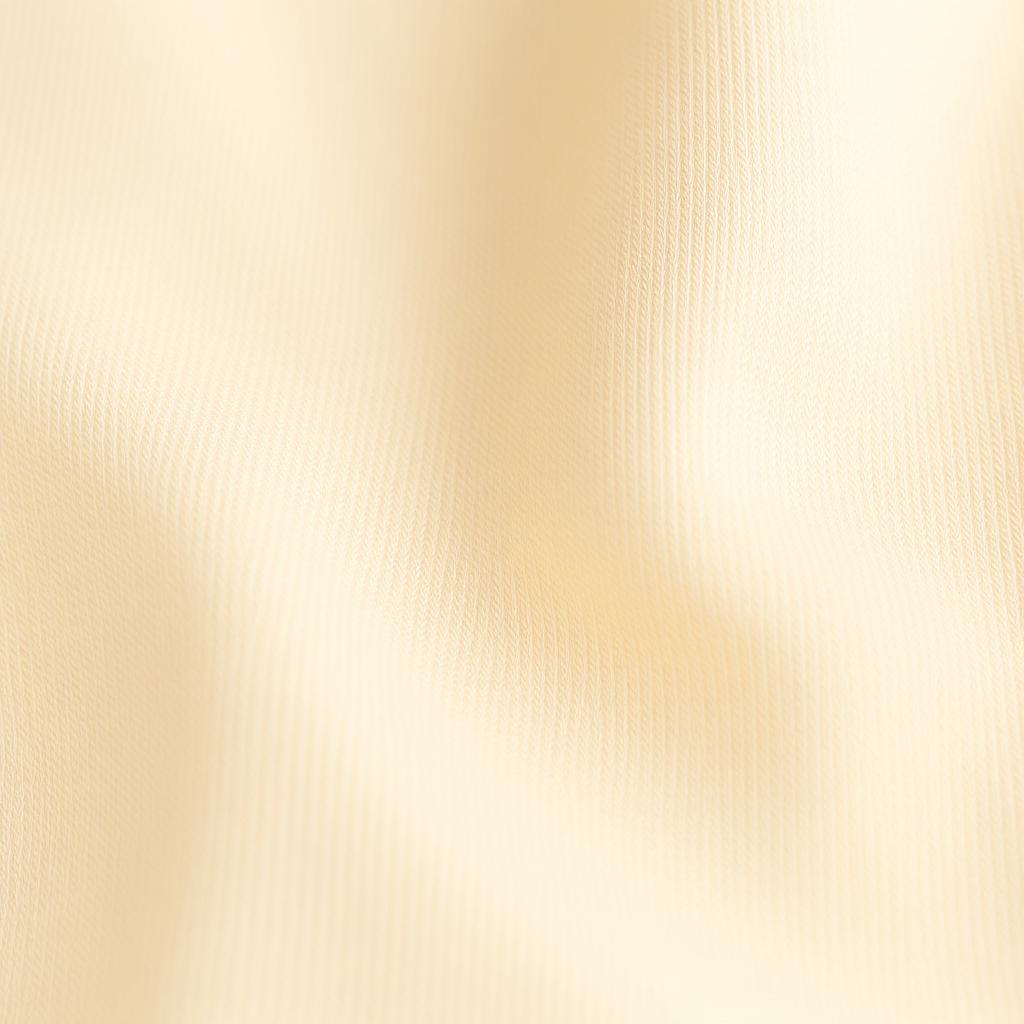
The fabric goes through a proprietary mechanical sanding step after weaving. Microscopic abrasion lifts the outer nylon fibers into a fine nap, removes the typical synthetic sheen, and gives the surface that signature buttery hand feel.
This is the same family of finishing as Luon's brushing process, but lighter and shallower so the underlying fabric stays thin and weightless.
Nulu vs Luon at a glance
| Trait | Nulu | Luon |
|---|---|---|
| Feel | Ultra light, buttery, second skin | Cottony soft, thicker, structured |
| Compression | Minimal, low friction | Moderate to supportive |
| Fabric density | Ultra thin and weightless | Heavy gauge, insulating |
| Best for | Low impact yoga, Pilates, lounging | Studio yoga, barre, cool weather |
| Surface durability | Delicate, snags easily | Resists pilling and abrasion |
If Luon is the structured workhorse, Nulu is the cashmere of activewear: lighter, softer, and more delicate.
Where Nulu shines
The fabric was designed around a specific kind of movement: slow, low friction, and comfort first.
- Gentle yoga, restorative classes, and Pilates mat work.
- Long flights, road trips, and lounging at home.
- Layering under loose dresses or oversized sweaters.
- Pregnancy and postpartum wear, where compression is unwelcome.
It is the wrong choice for heavy weightlifting, trail running, or anything involving rough equipment contact.
The trade off you should know about
The same brushed surface that gives Nulu its softness also makes it more delicate than older fabrics. Snags from velcro, jewellery, and rough gym equipment are common. Pilling can show up faster than with heavier blends, especially in high friction areas like inner thighs and waistbands.
That is the cost of the naked sensation. If you want maximum durability, a heavier fabric is the right call.
Care so the surface stays smooth
- Wash inside out in cold water on a delicate cycle.
- Skip wash bags only if the load is all soft synthetics; use one when mixing with anything else.
- Never wash with zippered jackets, jeans, or velcro closures.
- Avoid fabric softener. It clogs the brushed surface.
- Hang dry or tumble dry on the lowest heat setting.
These habits roughly double the visible life of the fabric before pilling or thinning becomes noticeable.
How to tell real Nulu apart from look alikes
- The fabric is so light it feels like nothing in the hand, yet stretches in every direction.
- The surface has a matte, slightly powdery finish, never shiny.
- Care labels list the 81 nylon, 19 Lycra split.
- The waistband and seams use minimal stitching to preserve the second skin feel.
Why it changed the activewear market
Before Nulu, premium leggings competed on compression and durability. The naked sensation reframed the conversation around comfort, and the rest of the market followed within a few seasons. Almost every premium activewear brand now sells a buttery soft, ultra light "rest day" leggings line because Nulu proved there was demand for softness over support.
Bottom line
Nulu is a premium ultra light nylon and Lycra blend defined by its buttery soft, second skin feel. It is the right pick for low impact movement and lounging, and the wrong pick for high friction workouts. Treat it gently and it rewards you with the most comfortable pair of leggings you will probably ever own.
Common myths about Nulu
A few myths follow this fabric around. The biggest is that Nulu is fragile to the point of being disposable. With cold washes and the right laundry partners, a pair of Nulu leggings holds up for years of regular wear. Another is that the buttery feel is just marketing language; the brushed nylon nap is a real, repeatable manufacturing step and you can feel the difference in a fitting room within seconds.
People also assume Nulu is identical to every other "buttery soft" fabric on the market. Most copies use a lower elastane share, which is why they often look similar on the shelf but feel noticeably heavier on the body. The 19 percent Lycra ratio is the structural reason the original behaves the way it does.
Frequently asked questions
Is Nulu the same as Align fabric?
Yes. Nulu is the brand name for the fabric used in the Align line of leggings and tops.
Will Nulu hold me in like compression leggings?
No. The fabric is designed to feel almost weightless and offers minimal compression by design.
Is Nulu squat proof?
Usually, but always test in a fitting room. The thinner fabric is more sensitive to size choice than heavier blends.
How long do Nulu leggings last?
With careful washing and no high friction wear, 2 to 4 years before pilling or thinning becomes noticeable.