Quick Answer
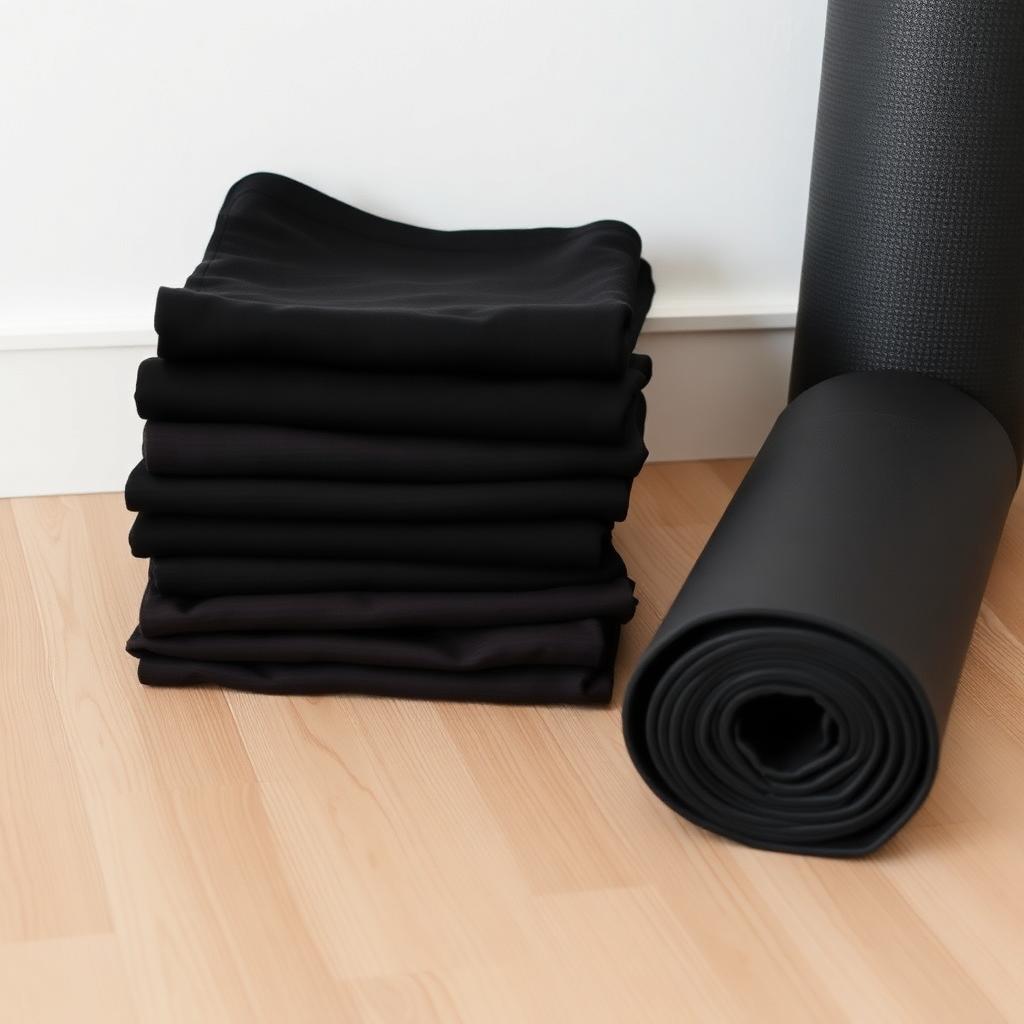
Luon is a proprietary technical fabric built from a high density blend of nylon microfibers and Lycra elastane. It is best known for its thicker, cottony soft feel, four way stretch, and excellent shape retention.
The blend was developed for studio yoga and barre, where comfort, opacity, and a structured fit matter more than ultra lightweight feel.
Heavier and more durable than newer "buttery soft" fabrics, Luon is what early premium leggings owe their reputation to.
What Luon is actually made of
Luon is engineered, not natural. The structural matrix uses two synthetic fibers in a specific ratio.
- Nylon microfiber: the backbone, providing durability and wicking.
- Lycra elastane: a heavy gauge spandex that gives the four way stretch and shape memory.
The typical breakdown is around 86 percent nylon to 14 percent Lycra, though the recipe has been tweaked over different generations of the fabric.
Why it feels different from generic activewear
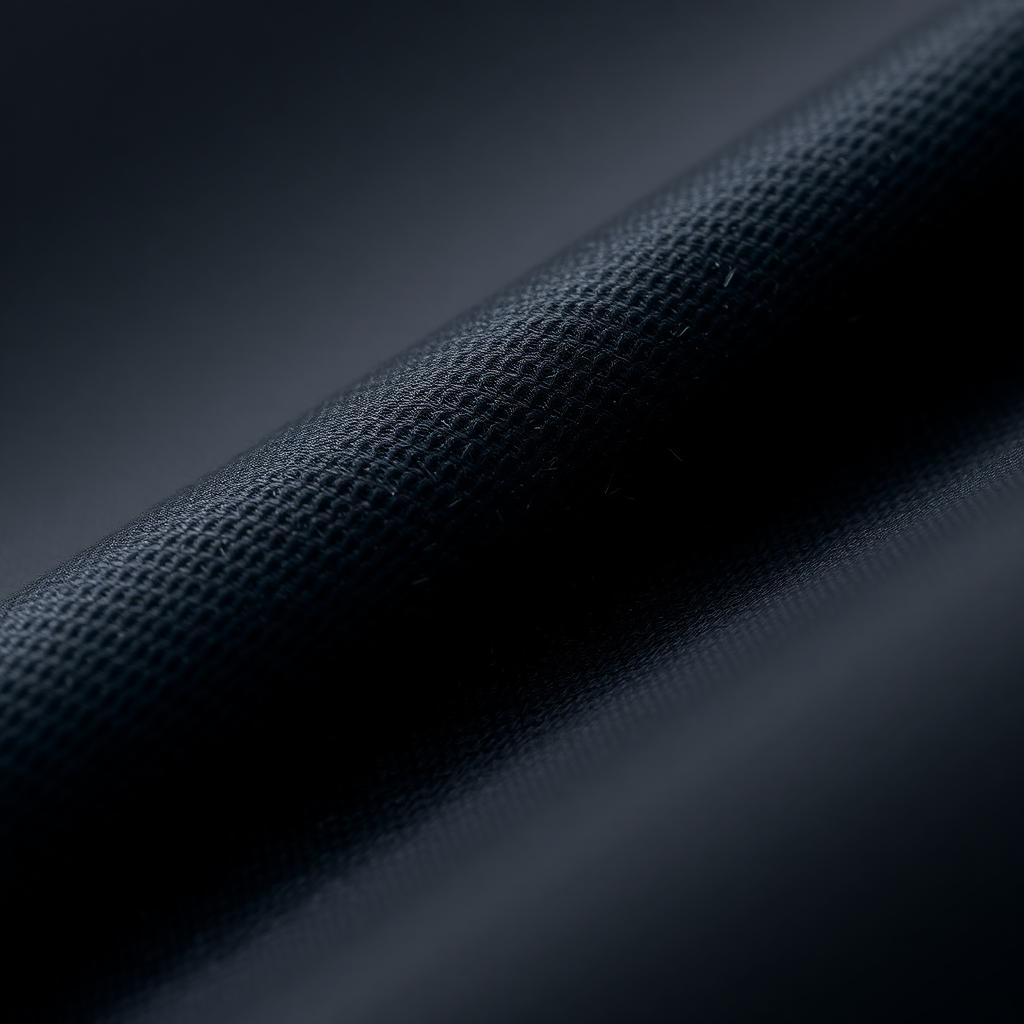
Most performance fabrics feel slick because the nylon strands sit on the outside of the weave. Luon goes through a proprietary brushing process that lifts the microfibers into a soft nap, giving it a matte finish and a tactile feel closer to cotton than nylon.
The brushing is the entire reason early premium leggings felt expensive on the rack. The fabric does not look or feel like the shiny tights people associated with running gear.
Key performance traits
Four way stretch with recovery
Luon stretches both horizontally and vertically and snaps back to its original shape. That recovery is what stops the fabric from bagging at the knees after a few hours of wear, which is the failure mode of cheaper blends.
High opacity
The heavier weave and tight knit construction pass the "squat test" without going sheer. This is why Luon stayed popular even as thinner fabrics arrived.
Moderate thermal insulation
The thickness gives it a small warmth advantage over ultra thin alternatives, which makes it a year round layer in temperate climates rather than a summer only fabric.
Durable surface
Luon resists pilling better than newer brushed nylon blends, so it tolerates rougher equipment contact like reformer Pilates straps, foam rollers, and barre work.
Luon vs newer technical fabrics
| Trait | Luon | Ultra light technical fabrics |
|---|---|---|
| Weight | Heavy gauge, structured | Ultra thin, weightless |
| Feel | Cottony soft, matte | Buttery, second skin |
| Compression | Moderate to supportive | Minimal |
| Best for | Studio yoga, barre, cool weather | Low impact, hot weather, lounging |
| Durability | High, resists pilling | Delicate surface, prone to snags |
Best uses
Because of its structure and weight, Luon shines in specific contexts.
- Studio yoga and Vinyasa flow where the fabric needs to hold shape through inversions.
- Barre and Pilates classes that involve floor work and equipment contact.
- Cooler weather walking, errands, and travel where a heavier fabric stays comfortable.
- Everyday athleisure layering as a base for tunics, sweaters, or oversized tops.
Care so it lasts
Luon is durable, but a few small habits double its useful life.
- Wash inside out in cold water on a normal cycle.
- Avoid mixing with abrasive fabrics like jeans, towels, or velcro closures.
- Skip fabric softener. It coats the nylon and reduces wicking.
- Tumble dry on low or hang dry. High heat breaks down Lycra over time.
- Re wash separately the first two times to release excess dye.
How to spot real Luon
Counterfeit and knockoff "Luon style" fabrics show up regularly on resale sites. Three quick checks tell you what you have.
- The hand feel is matte and soft, never slick or shiny.
- A pinch and pull along the weft and warp stretches evenly in both directions.
- The waistband and inseam carry the original brand's care label with the Luon name printed in full.
Bottom line
Luon is the original brushed nylon and Lycra blend that defined premium athleisure. It is heavier, more opaque, and more structured than newer ultra light fabrics, which is exactly why it still earns shelf space for studio workouts and cool weather wear a decade after launch.
How Luon has changed over time
Luon is not a static recipe. The brand behind it has tweaked the nylon to Lycra ratio, the brushing depth, and the weave tightness across several generations. Older Luon Light and Luon Plus variants experimented with thinner and thicker versions of the core fabric. Most current pieces sit at the heavier, more structured end of that spectrum.
If you have a pair from five or six years ago and a brand new pair, expect them to feel close but not identical. The newer runs tend to have a slightly tighter knit and marginally less pilling, while the older ones often have a softer hand after dozens of washes.
Frequently asked questions
Is Luon the same as Nulu?
No. They share the same brand origin but are very different fabrics. Luon is heavier and more structured; Nulu is ultra light and buttery soft.
Does Luon shrink in the wash?
If washed in cold and tumble dried on low, no. High heat over many cycles can cause minor shrinkage.
Is Luon good for running?
It is fine for short or low impact runs, but most runners prefer lighter, more wicking fabrics for longer sessions.
How long do Luon leggings typically last?
With proper care, 3 to 5 years of regular wear before noticeable thinning or recovery loss.